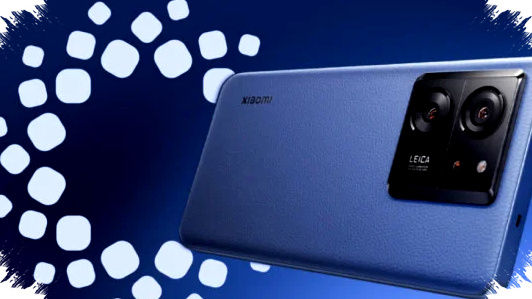
Xiaomi 13T users are finally getting a clear timeline for their next major software update. Internal OTA server data indicates that HyperOS 3 based on Android 16 is set to begin rolling out in the first week of April 2026.
This update is important for one more reason: it appears to be the last Android version upgrade for the Xiaomi 13T. Even so, it still brings meaningful improvements in performance, interface design, and cross-device compatibility that should keep the phone competitive for longer.
What the April HyperOS 3 rollout means for Xiaomi 13T


The update has moved into a stable build stage inside Xiaomi’s internal systems. The global firmware version is listed as OS3.0.1.0.WMFMIXM, which suggests the package is ready for public distribution through OTA.
That timing also explains why many users have been waiting for confirmation. The Xiaomi 13T Pro received a similar upgrade about two months earlier, so this rollout helps close the gap between the two models.
For Xiaomi 13T owners, the most practical takeaway is simple. The device is now close to receiving its biggest software refresh in the current support cycle.
Why Xiaomi is jumping directly to Android 16
Xiaomi has reportedly chosen to skip intermediate steps and move the Xiaomi 13T straight to Android 16. This approach gives the phone access to the newest Android platform without waiting for an older bridge release.
That decision matters because Android 16 should bring smoother animations, better background app management, and more refined system behavior overall. Users usually notice these gains most in everyday tasks such as switching apps, scrolling, and multitasking.
It also helps Xiaomi keep the software stack aligned with its newest devices. From a product strategy angle, this creates a cleaner transition into newer HyperOS features.
Key features expected in HyperOS 3
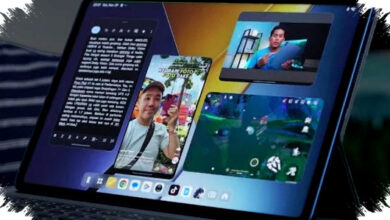
HyperOS 3 is not just a version bump. Xiaomi is pairing Android 16 with interface changes and ecosystem features that aim to make the phone feel more connected and more modern.
The most noticeable additions include the following:
-
Hyper Island
- Xiaomi’s new dynamic notification area sits at the top of the screen.
- It can show live alerts, charging status, and media controls in a compact, interactive form.
-
Improved Apple ecosystem integration
- Xiaomi says the new software adds smoother compatibility with Apple devices.
- That can help users who switch between an iPhone, Mac, and Xiaomi phone during work or travel.
-
Refined multitasking behavior
- Android 16 support should improve background handling and responsiveness.
- This is especially useful for people who keep many apps running at once.
- System-level performance tuning
- Users can expect more efficient resource use.
- That often translates into steadier battery behavior and less lag under load.
The combination of these features suggests Xiaomi wants HyperOS 3 to feel like a practical upgrade, not just a visual redesign.
How the Xiaomi 13T update compares with the 13T Pro
The Xiaomi 13T Pro already received its HyperOS 3-based update earlier, which created some frustration among standard 13T users. With the new rollout now approaching, that delay is finally being addressed.
The two phones share a similar software direction, but rollout timing often differs because of regional testing, firmware validation, and hardware-specific optimization. Xiaomi typically stages global launches in phases to reduce bugs and avoid large-scale issues.
In this case, the standard 13T’s wait seems to be ending with a firmware build that has already reached internal readiness. That is usually the clearest sign that distribution is near.
What users should know before the OTA arrives
Xiaomi has not yet published a broad public rollout notice, so the update may still arrive in waves. That means some users could receive it earlier than others, depending on region and server scheduling.
Before installing a major update like this, users should prepare their device properly. A stable connection, enough battery, and sufficient free storage are always recommended.
Here are the basic steps users can follow once the update appears:
- Open Settings.
- Go to About phone.
- Tap System update.
- Check for the HyperOS 3 package.
- Download and install only on a stable Wi-Fi connection.
- Back up important data before starting the installation.
These steps are straightforward, but they can reduce the risk of interruption during the upgrade process.
Why this update matters for daily use
For most Xiaomi 13T owners, the software refresh will matter more in daily handling than in benchmark numbers. A cleaner interface, smoother animations, and stronger app management can make the phone feel newer without changing the hardware.
The addition of Hyper Island also gives Xiaomi a more modern visual identity. It brings real-time information closer to the user without forcing them to open multiple apps or pull down the notification shade repeatedly.
Cross-device integration may be even more useful for people who move between Android and Apple products. In mixed-device environments, simple file transfers and work continuity can save time throughout the day.
Support timeline and long-term relevance
The HyperOS 3 release also marks a turning point for the Xiaomi 13T’s software future. Since this is expected to be the device’s last major Android version update, the phone is entering a maintenance phase after this rollout.
That does not mean support ends immediately. Xiaomi is still expected to provide software refinements, security patches, and HyperOS-level improvements after Android 16 arrives.
For current owners, that makes this update especially valuable. It delivers the final major platform boost while also extending the device’s relevance in a market where software support has become a major buying factor.
What to watch in the first April rollout wave
The first wave of the update should reveal how well Xiaomi has tuned Android 16 for the 13T. Users and reviewers will likely focus on boot stability, battery behavior, app compatibility, and whether Hyper Island feels polished in real-world use.
Late-arriving regional builds may also show small differences in timing or optimization. That is normal for global firmware rollouts and usually reflects Xiaomi’s phased release strategy.
As the OTA begins to circulate, the Xiaomi 13T is positioned to get a meaningful software refresh that modernizes its interface and extends its lifespan, even as it reaches the final major Android chapter of its update cycle.