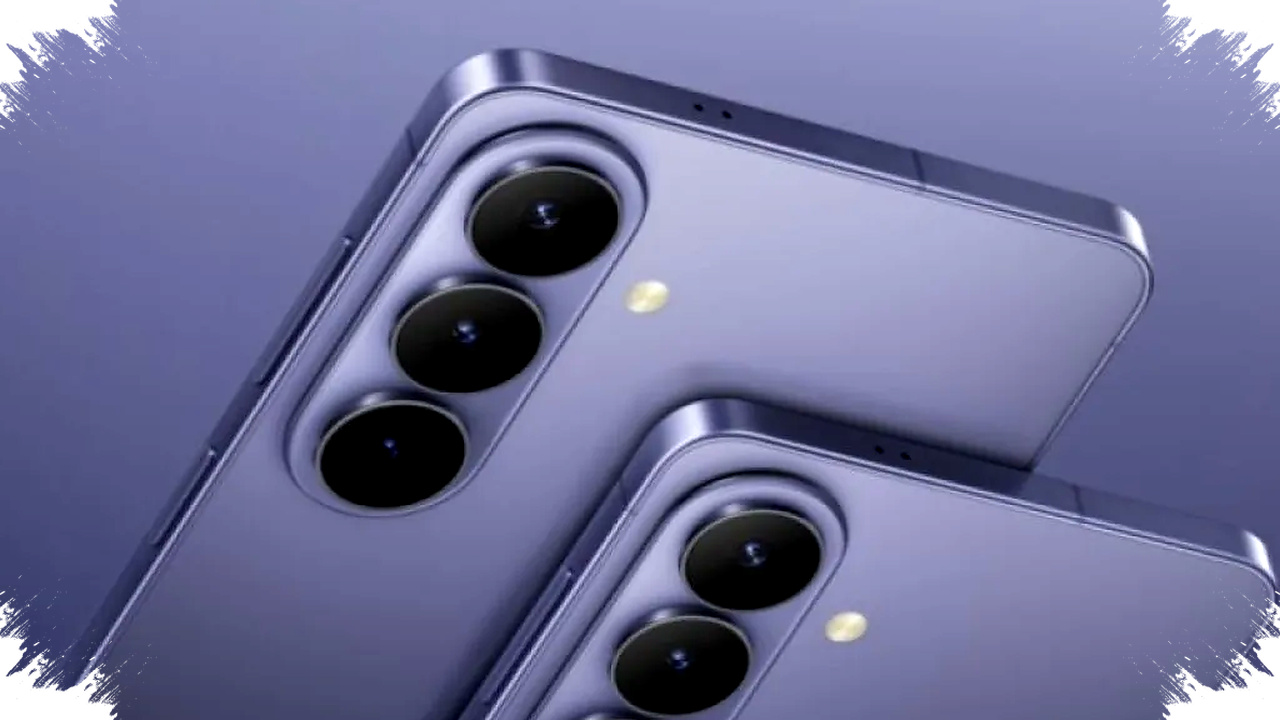
Samsung’s Galaxy S26 lineup is shaping up to be one of the most closely watched flagship releases of the year, not only because of performance, but also because of battery efficiency. Recent testing suggests that the gap between the Exynos 2600 and Snapdragon 8 Elite Gen 5 is much wider than many expected, with nearly three hours separating the two in real-world endurance.
That difference matters because battery life is often the factor that users feel most directly during daily use. In a head-to-head test that focused on everyday activities rather than synthetic benchmarks, the Snapdragon version came out ahead by a clear margin, raising fresh questions about whether Samsung’s 2nm Exynos chip is already ready to compete on efficiency.
Why the Galaxy S26 chipset split matters


Samsung has long used different chipsets across regions for its Galaxy S series, and the Galaxy S26 continues that strategy. In this generation, the two main chips are the Exynos 2600 and the Snapdragon 8 Elite Gen 5.
On paper, the Exynos 2600 should have had an advantage. It is built on Samsung’s 2nm process, while the Snapdragon 8 Elite Gen 5 still uses TSMC’s 3nm node. A smaller process often signals better power efficiency, lower heat, and improved battery life, at least in theory.
But as this test shows, manufacturing node alone does not tell the full story. Real-world endurance depends on more than transistor size, including architecture, tuning, software optimization, modem efficiency, and how aggressively the chip manages power during different tasks.
What the test actually measured
The endurance test came from the YouTube channel AndroidAddicts and was conducted on March 27, 2026. The setup focused on realistic daily usage instead of lab-style benchmark numbers.
The test included phone calls, Google Maps navigation, video recording, social media scrolling, and YouTube playback. Both Galaxy S26 units were similar in hardware, with the chipset being the main difference.
That matters because controlled comparisons remove many of the variables that can distort battery results. When two phones use the same battery size, display class, and software environment, the chipset often becomes the clearest factor behind the final result.
Battery life results show a large gap
The numbers were difficult to ignore. The Galaxy S26 with Exynos 2600 lasted about 6 hours and 48 minutes.
The Snapdragon 8 Elite Gen 5 version, by contrast, reached 9 hours and 26 minutes under the same conditions. That means the Snapdragon model lasted almost 3 hours longer, a striking advantage in a flagship phone.
Here is the result in simple form:
| Galaxy S26 variant | Battery endurance |
|---|---|
| Exynos 2600 | 6 hours 48 minutes |
| Snapdragon 8 Elite Gen 5 | 9 hours 26 minutes |
| Difference | 2 hours 38 minutes |
For many users, a gap of this size can change how the phone feels in daily life. A device that dies before the end of the day creates more anxiety, more charging stops, and more reliance on power banks or fast chargers.
What the result says about Exynos 2600
The result is especially notable because Exynos 2600 represents Samsung’s push into a more advanced 2nm manufacturing node. That step had raised hopes that Samsung could finally close the efficiency gap with Qualcomm.
Those hopes were not unfounded. In recent years, Exynos chips have often faced criticism for weaker battery efficiency compared with Snapdragon counterparts. The move to 2nm was expected to help Samsung narrow that gap, and perhaps even reverse the narrative.
Instead, the test suggests that the process shrink alone is not enough. If the chip architecture, thermal behavior, and software optimization are not aligned, a more advanced node can still lose in practical use.
Why Snapdragon still looks stronger in efficiency
The Snapdragon 8 Elite Gen 5 appears better tuned for power management in this comparison. That does not only reflect Qualcomm’s silicon design, but also its broader ecosystem of optimization across hardware and software.
Snapdragon has built a reputation for efficiency in premium Android phones, especially when paired with well-optimized software. In this case, the Galaxy S26 Snapdragon model delivered not just longer endurance, but also a more stable battery profile during mixed use.
That stability can matter as much as peak efficiency. A phone that drains slowly and predictably is easier to manage than one that drops quickly during navigation, recording, or video playback.
Industry watchers have also noted that Exynos may still consume more power in certain workloads than competing Snapdragon devices, including some other 2026 flagships. That suggests Samsung still has work to do beyond the raw fabrication process.
What this means for buyers in different markets
The Galaxy S26 battery divide could have direct purchasing consequences, especially because chipset availability varies by region. Snapdragon variants are usually reserved for markets such as the United States and China, while many global markets receive Exynos models.
That regional split often leads buyers to compare source markets more carefully before ordering. For users who prioritize long battery life, the Snapdragon version now looks clearly more attractive based on this test.
For others, the Exynos model may still be acceptable if price, availability, or carrier support play a bigger role in the buying decision. But it becomes harder to argue that Exynos is the safer choice for endurance when the difference approaches three hours.
Key takeaways from the Galaxy S26 battery test
- Exynos 2600 uses Samsung’s newer 2nm process, but that did not translate into better battery endurance in this test.
- Snapdragon 8 Elite Gen 5 lasted 9 hours and 26 minutes, which was nearly 3 hours longer than the Exynos version.
- The test used real-world tasks like calls, Maps, video recording, scrolling, and YouTube.
- Battery efficiency depends on more than node size, including architecture and software tuning.
- The result strengthens Snapdragon’s position as the more efficient option in the Galaxy S26 lineup.
The latest comparison also shows why chip wars remain so important in flagship phones. Even with a more advanced 2nm process, Exynos 2600 still trails when the phone is pushed through the kinds of tasks people use every day, and that makes the Snapdragon 8 Elite Gen 5 the current leader in this round of battery endurance testing.