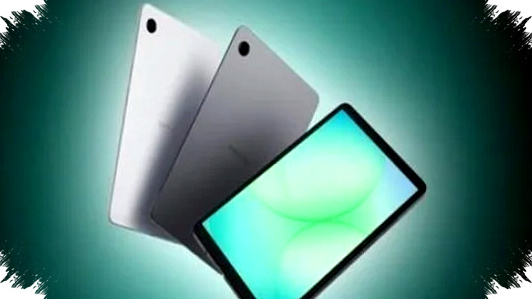
Samsung has refreshed its entry-level tablet lineup in Indonesia with the Galaxy Tab A11 Plus, and the new model is positioned as one of the most aggressive options in the sub-$200 tablet segment. Priced at around Rp2.9 million, or roughly $180, it targets users who want a large screen, long software support, and productivity features that are usually reserved for pricier devices.
The most notable part is not only the hardware, but also the software promise. Samsung says the Galaxy Tab A11 Plus will receive software updates for up to seven years, a rare commitment in its category and one that could matter more than small differences in raw performance for buyers who plan to keep a tablet for a long time.
A more premium body, but not without concerns


Samsung uses an aluminum unibody design for the Galaxy Tab A11 Plus, which gives it a cleaner and more premium feel than many plastic-bodied rivals. The back panel also adopts a subtle two-tone finish, while the rear camera sits neatly in the corner with a simple 8 MP setup.
That said, early durability impressions raise one important caution. In bending tests, the tablet reportedly began to show flex at around 30% pressure, which is a reminder that thin tablets can still be vulnerable if carried carelessly in a crowded bag. For users who travel often or toss devices into backpacks, a protective case looks less like an accessory and more like a necessity.
11-inch display with practical extras
The Galaxy Tab A11 Plus carries an 11-inch LCD panel, which keeps the device in familiar territory for mainstream tablets. It does not use OLED, but Samsung compensates with an adaptive refresh rate of up to 90 Hz, making scrolling and app navigation feel smoother.
One interesting feature is YouTube upscaling support up to 2160p, or 4K, which may help streaming content look sharper on the large display. Color accuracy is reported at 79.8% sRGB, so it is not aiming at creative professionals, but it should still be adequate for movies, browsing, online classes, and casual reading.
The tablet also includes quad speakers, which makes it more appealing for media consumption. The sound is described as loud and clear, although the bass is not especially deep, so users looking for richer audio may still prefer headphones or an external speaker.
Samsung moves up a class with Dimensity 7300
The biggest surprise comes from the performance side. Instead of relying on a lower-end Helio chip, Samsung equips the Galaxy Tab A11 Plus with the MediaTek Dimensity 7300, paired with 6 GB of RAM.
That combination gives the tablet a much stronger profile than many entry-level devices. According to the reference testing, its AnTuTu score reaches the 420,000 range, which is a solid result for a tablet in this price bracket.
For everyday use, that should translate into responsive multitasking, smooth app switching, and fewer slowdowns under normal workloads. In gaming, the tablet reportedly handles Mobile Legends and PUBG Mobile at 60 fps with stable performance, which makes it attractive for students and casual gamers who want a device that can do more than just stream video.
Software is where Samsung tries to win long-term users
The Galaxy Tab A11 Plus runs Android 16 with Samsung One UI 8, which gives it access to a clean interface and Samsung’s broader ecosystem of features. More importantly, the tablet brings tools that are uncommon in this segment, including Samsung DeX, Circle to Search, Gemini integration, and Smart Math.
- Samsung DeX lets the tablet switch into a desktop-style interface for better multitasking.
- Circle to Search helps users look up items on screen without leaving the app.
- Gemini adds AI-based assistance for search and productivity tasks.
- Smart Math supports learning by letting users write numbers and solve math problems directly on the display.
These features matter because they push the Galaxy Tab A11 Plus beyond the usual “cheap media tablet” role. For students, light office work, and home productivity, Samsung is clearly trying to make the tablet feel more useful over time, not just faster on day one.
Battery life and charging remain practical, not flashy
Power comes from a battery rated at around 8,000 mAh, paired with 25W charging support. That capacity should be enough for a full day of mixed use, especially when paired with an efficient chipset and a tablet OS that is not constantly pushing heavy workloads.
In the reported testing, 30 minutes of PUBG Mobile used only about 6% of the battery, which suggests respectable endurance for gaming and streaming. Charging speed is decent rather than exceptional, so users who consume a lot of media or play long sessions will still need to plan their charging routine.
One downside is the retail package. Samsung does not include a charger in the box, so buyers will need to provide their own compatible adapter if they do not already have one. That is increasingly common across the industry, but it still affects the real cost of ownership.
Key specifications at a glance
| Category | Galaxy Tab A11 Plus |
|---|---|
| Display | 11-inch LCD, up to 90 Hz |
| Chipset | MediaTek Dimensity 7300 |
| RAM | 6 GB |
| Storage | Not specified in the reference |
| Rear Camera | 8 MP |
| Battery | Around 8,000 mAh |
| Charging | 25W |
| OS | Android 16, One UI 8 |
| Special Features | Samsung DeX, Circle to Search, Gemini, Smart Math |
| Software Support | Up to 7 years |
| Price | About Rp2.9 million, or around $180 |
Who the Galaxy Tab A11 Plus is for
The Galaxy Tab A11 Plus makes the most sense for buyers who value long-term software support, smooth everyday performance, and useful productivity tools over premium display tech. It is especially relevant for students, families, and budget-conscious users who want a tablet that can handle classes, entertainment, light gaming, and occasional desktop-style multitasking.
Samsung is not just selling a low-cost tablet here. It is trying to make a value case built on longevity, AI features, and DeX support, and that combination gives the Galaxy Tab A11 Plus a stronger identity than many rivals in the same price range.
For users comparing it with alternatives such as Oppo Pad or other markdown-priced tablets, the most important question is no longer only about specs on paper. It is whether the balance of Dimensity 7300 performance, 11-inch 90 Hz display, six years-plus software relevance, and Samsung’s added ecosystem tools is enough to justify choosing it as a long-term daily device.