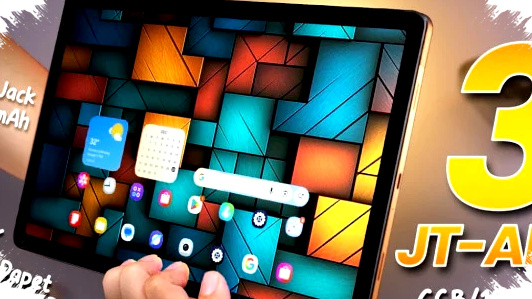
Samsung Galaxy Tab A11 still looks relevant in 2025 for people who want an affordable tablet for study, light productivity, and casual entertainment. The device is not built to be a heavy-duty work machine, but its mix of portability, display features, and Samsung software support gives it a clear place in the budget tablet segment.
For students, remote learners, and users who mainly read, stream, browse, and join online classes, the Tab A11 offers enough value to remain worth considering. The question is not whether it can rival premium tablets, but whether it can still deliver a balanced experience at a price that stays accessible.
Why the Samsung Galaxy Tab A11 Still Matters
Samsung designed the Galaxy Tab A11 for users who need a simple tablet that feels practical in daily use. At around 8 mm thick and with a light body, it is easy to carry in a bag and comfortable to hold for long sessions.
Its build also feels more premium than many entry-level tablets because Samsung uses a mix of aluminum and polycarbonate. For a device in the budget class, that combination gives it a solid impression without making it too heavy.
That matters for students who spend hours reading PDFs, taking notes, or attending classes online. It also matters for families who want one tablet for movies, games, and basic browsing.
Display and Audio Fit the Use Case
One of the strongest reasons the Tab A11 still makes sense in 2025 is its 90 Hz refresh rate. The screen is still a TFT LCD panel, but the smoother scrolling makes a noticeable difference when moving through social media feeds, reading documents, or switching between apps.
The display is not meant to compete with OLED panels found in higher-end tablets. Even so, for watching lectures, YouTube, or streaming films at home, it remains comfortable enough for most people in the entry segment.
Samsung also gives the tablet stereo speakers with Dolby Atmos support. That combination improves the entertainment experience, especially for users who do not always want to rely on headphones.
For light entertainment, this setup is useful because it makes dialogue clearer and music feel fuller. In a tablet this affordable, sound quality often becomes a deciding factor.
Performance Is Enough for Daily Tasks
The Galaxy Tab A11 uses the Helio G99 chipset, which is still a respectable chip for basic tablet use in 2025. It is not a flagship processor, and it is not designed for demanding editing work or heavy gaming, but it handles everyday activity well.
Opening apps, browsing the web, attending video calls, and switching between a few light apps should remain smooth. Casual games can also run reasonably well, as long as users keep expectations realistic.
Samsung also adds multitasking features that make the tablet feel more flexible. Split screen, floating windows, and a taskbar-style interface help users manage two apps at once, which is useful for note-taking while watching a lecture.
These touches are important because they push the device beyond simple media consumption. They make it more useful for students who want a tablet that can support basic productivity without a large investment.
Software Support Is a Major Strength
The most impressive part of the Galaxy Tab A11 may be its long software promise. According to the reference data, Samsung offers up to seven OS upgrades and seven years of security support.
That is a major advantage in the budget tablet market. Long support can extend the useful life of a device well beyond the first one or two years, which improves long-term value for buyers.
This matters especially in 2025, when many consumers are more cautious about spending. A tablet that stays secure and receives software updates for years is easier to justify than one that feels outdated after a short time.
For parents buying a device for children or for students planning to use a tablet throughout school, that level of support can be a strong selling point. It adds confidence that the device will not become obsolete quickly.
Where the Tab A11 Shows Its Limits
Despite its strengths, the Galaxy Tab A11 has clear weaknesses that buyers should understand before purchasing. The first is battery capacity, which is listed at 5,100 mAh.
That size is acceptable for basic use, but it is not especially generous for a tablet. If users spend a lot of time streaming video, using Wi-Fi continuously, or multitasking heavily, battery life may feel more average than impressive.
Charging speed is another limitation because the tablet supports only 15W charging. In 2025, that can feel slow, especially when many competing devices offer faster charging in similar price ranges.
The front camera placement is also less ideal than it could be. Because it sits in portrait orientation, video calls in landscape mode may feel awkward.
That detail matters more now because online meetings, virtual classrooms, and group calls have become common tablet use cases. A camera placed better for horizontal use would make the device easier to recommend for frequent video meetings.
The lack of a fingerprint sensor is another drawback. Users must rely on a PIN or pattern, which is still secure enough, but less convenient than biometric unlocking.
Who Should Consider Buying It in 2025
The Galaxy Tab A11 still fits several types of users well. If the goal is to get a tablet for learning, streaming, reading, note-taking, and light browsing, it remains a sensible option.
Here is a simple guide for who it suits best:
- Students who need a reliable device for online classes and assignments.
- Casual users who mostly watch videos, scroll social media, and browse the web.
- Families who want an affordable shared tablet for entertainment and school tasks.
- Buyers who value long software support over raw performance.
It is less suitable for users who want heavy gaming, advanced productivity, or fast charging. Those buyers may be better served by a higher-tier tablet.
How It Compares in the Budget Segment
In the entry-level tablet market, value often comes from balancing display quality, software support, and practical performance. The Galaxy Tab A11 does that better than many low-cost models that may offer strong specs on paper but weaker long-term support.
The 90 Hz display and stereo speakers help it stand out from basic tablets that still feel dated when scrolling or watching content. The Helio G99 also keeps it usable for common tasks without making the interface feel underpowered.
At the same time, its battery and charging situation keep it from becoming an obvious best-in-class choice. Buyers who prioritize endurance and speed may want to compare it with newer rivals before deciding.
A quick comparison can help frame the choice:
| Feature | Samsung Galaxy Tab A11 |
|---|---|
| Design | Slim, light, comfortable to hold |
| Display | TFT LCD, 90 Hz |
| Audio | Stereo speakers with Dolby Atmos |
| Chipset | Helio G99 |
| Battery | 5,100 mAh |
| Charging | 15W |
| Security | PIN or pattern, no fingerprint sensor |
| Software support | Up to 7 OS upgrades, 7 years security |
For 2025, that mix still places the Tab A11 in a competitive position if the buyer wants an affordable Samsung tablet with long-term support. Its strongest appeal lies in everyday practicality, not in pushing the limits of performance or battery life.
In a market crowded with options, the Samsung Galaxy Tab A11 remains a reasonable buy for users who want a compact, dependable tablet for study and light entertainment, especially if software longevity matters more than premium hardware extras.