Meta has officially expanded its smart eyewear lineup with the launch of Ray-Ban Meta Optics Styles, a new version developed with EssilorLuxottica and introduced on Tuesday, March 31, 2026, in the United States. The release signals a more ambitious push into wearable devices that blend fashion, vision correction, and AI-powered features in one product.
The new model is designed for users who want smart glasses that feel closer to everyday eyewear than a bulky gadget. Meta says the latest version brings a lighter build, more lens options, and stronger support for hands-free AI tools that can fit into routine activities.
Two frame styles, broader everyday appeal

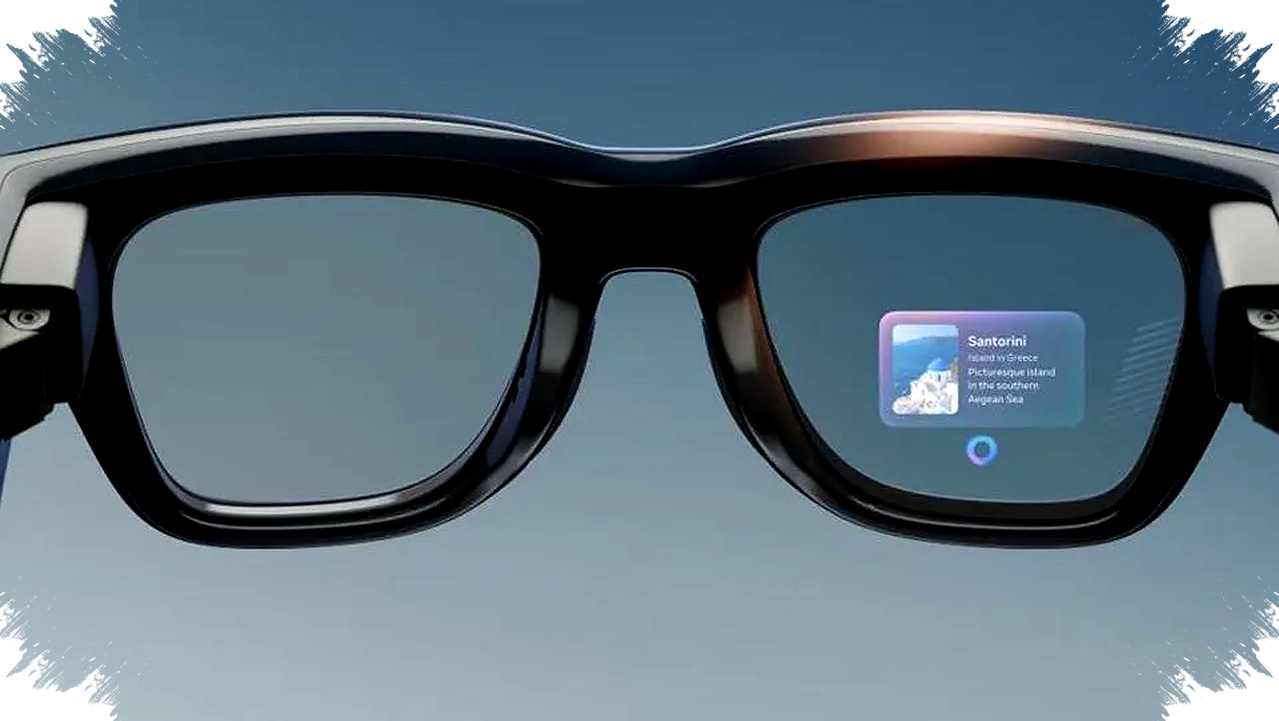
Ray-Ban Meta Optics Styles comes in two frame designs aimed at different preferences. One model, called Ray-Ban Meta Blayzer Optics, uses a square shape that resembles the classic Wayfarer silhouette, while the other, Ray-Ban Meta Scriber Optics, offers a rounder frame closer to the Headliner style.
This approach gives Meta a wider style range while keeping the product positioned as wearable fashion. For many consumers, appearance matters as much as functionality, especially in a category that is meant to be worn throughout the day.
The company also expanded the lens support beyond the previous prescription options. Earlier generations were limited to minus, plus, and cylindrical correction, but the new version now supports progressive lenses, which allow users to see both near and far distances through a single pair of lenses.
That upgrade matters for people who need vision correction but do not want to switch between multiple glasses. It also makes the product more practical for older users or anyone who spends time moving between screens, documents, and distant objects.
Transitional lenses add more flexibility
Meta also added support for photochromic, or transition, lenses. These lenses darken automatically when exposed to ultraviolet light and become clear again in indoor environments.
For users, that means less need to carry separate sunglasses and everyday prescription glasses. It also improves comfort in changing light conditions, especially for commuting, outdoor work, and travel.
The addition of progressive and transition lens support reflects a broader effort by Meta to make smart eyewear more useful in ordinary life. Instead of treating the glasses only as a tech accessory, the company is trying to build a product that can replace a regular pair of prescription frames.
Comfort stays central to the design
Meta says the new glasses are among the most comfortable smart glasses it has produced so far. The frame is lighter and slimmer than earlier versions, which should help reduce fatigue during long wear.
That point is important because many wearable products struggle when technology adds weight or makes the frame feel awkward. Meta appears to have responded by focusing on ergonomics rather than only adding more features.
The glasses also include flexible hinges, interchangeable nose pads, and adjustable temple arms that can be fitted by an optician. Those physical refinements may sound small, but they can matter a lot in daily use.
In practical terms, the design changes suggest that Meta wants these glasses to feel like a normal pair of premium eyewear first, and a smart device second. That strategy could help widen adoption among users who are interested in AI features but do not want a visibly technical product.
Pricing reflects the added technology
Ray-Ban Meta Optics Styles starts at $499, or around $499 USD, not including prescription lenses. That is higher than the earlier generation, which began at $379.
Users who need prescription lenses should also expect additional costs of about $200 to $300, depending on the lens type. That means a fully customized pair can rise significantly above the base price.
Here is a simple breakdown of the cost structure:
- Base frame with smart features: $499
- Prescription lens upgrade: about $200 to $300
- Total estimated cost: about $699 to $799
The higher price reflects the wider lens compatibility and the new AI functions. It also places the product closer to the premium eyewear segment rather than the mass-market accessory category.
AI tools are now a bigger part of the experience
The most notable shift in the new product is not only the hardware, but also the software. Meta has added several AI-powered features that aim to make the glasses more useful during everyday tasks.
One of the new tools is nutrition logging through AI. Users can record food intake either by voice command or by taking a photo, after which the system analyzes the meal and stores the information as a daily nutritional log.
That feature may appeal to people who track diet, fitness, or health habits, especially if they want a faster way to document meals without opening a separate app. It also shows how Meta is trying to place AI inside practical routines, not just as a novelty.
Another addition is voice message summarization for WhatsApp. With this tool, users can quickly understand the content of a conversation without needing to play back every message on their phone.
That can be useful when people are busy, commuting, or in situations where checking a screen is inconvenient. It also reinforces Meta’s broader goal of reducing friction in communication.
New ways to respond without reaching for the phone
Meta has also introduced Neural Handwriting, a feature that lets users reply to messages on WhatsApp and Messenger by writing with a finger on any surface.
The action can be done discreetly, which may make it useful in public spaces or meetings where speaking aloud is not ideal. It also gives the glasses a more interactive role in messaging, rather than limiting them to notifications and voice commands.
This type of input method shows how Meta is experimenting with alternative interfaces for wearable devices. Instead of relying entirely on voice, the company is trying to add subtle controls that work in different environments.
Real-time translation expands global use cases
The glasses also support real-time translation in several languages, including Japanese, Mandarin, and Arabic. That feature could be especially useful for travelers, international business users, or people who regularly communicate across language barriers.
Real-time translation has become one of the most closely watched features in AI wearables because it has clear, immediate value. It can help users understand speech on the spot, which makes the device more relevant outside the home or office.
Meta’s decision to include language support in the latest model suggests that the company sees smart glasses as part communication tool, part productivity tool, and part personal assistant. That combination may become increasingly important as wearable AI markets mature.
What the launch means for Meta’s wearable strategy
The release of Ray-Ban Meta Optics Styles shows that Meta is continuing to invest in smart glasses as a long-term category. The company is not only upgrading the design but also trying to make the product more adaptable to prescription users and more useful through AI.
In a market where wearable devices often fail to balance style and function, Meta is betting that users want both. The latest model tries to deliver that balance with more lens choices, better comfort, and features that support everyday activities such as messaging, translating, and tracking meals.
As demand grows for devices that fit into daily life without feeling intrusive, products like Ray-Ban Meta Optics Styles may define the next phase of consumer wearables. The launch also suggests that the competition in smart eyewear will increasingly depend on how well companies combine optical practicality, fashion credibility, and AI features in a single frame.