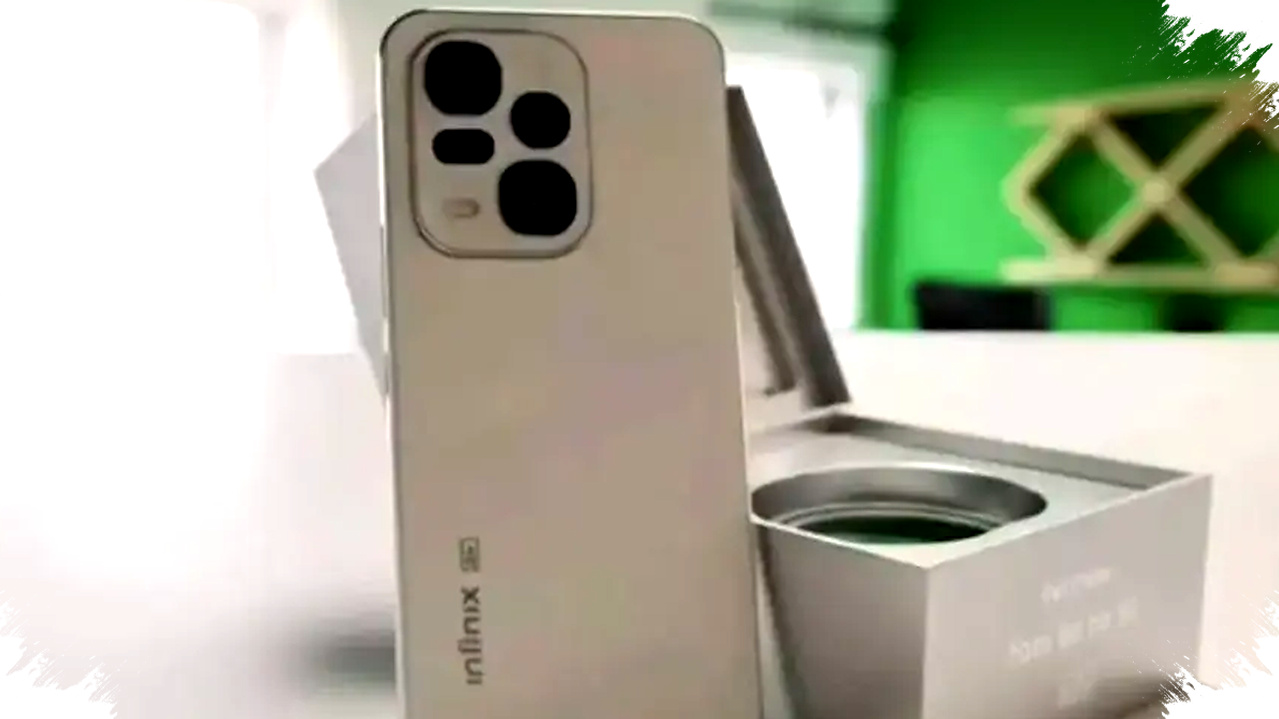
Infinix is preparing the Note 60 Pro for launch in India in April 2026, and the company has already confirmed two of its main selling points: an Active Matrix display and a Snapdragon chipset. That combination places the phone in a more ambitious position for the mid-range market, where buyers now care as much about display quality and smooth performance as they do about battery life and price.
The teaser does not reveal the full specification sheet yet, but it gives a clear signal about Infinix’s direction. The Note 60 Pro appears designed to compete with phones that sell on a balanced formula of visual quality, efficient processing, and AI-ready features.
What Infinix has confirmed so far


Infinix has used its official teaser to highlight the Active Matrix display technology on the Note 60 Pro. The company also states that the device will run on a Snapdragon platform from Qualcomm, although it has not named the exact chip model.
This is a notable shift for the Note series. Infinix has often leaned on MediaTek chips in its mid-range lineup, so the move to Snapdragon suggests a different performance strategy.
- Active Matrix display technology
- Snapdragon chipset from Qualcomm
- Launch planned first in India
- Positioning in the competitive mid-range segment
Why the Active Matrix display matters
Active Matrix, or AM, refers to a display control method that uses thin-film transistors to manage each pixel more precisely. This system helps the screen respond faster and maintain more stable image output than simpler passive matrix designs.
In practice, AM technology is widely associated with modern OLED-based panels, including AMOLED. These displays usually offer richer contrast, deeper blacks, and lower power consumption when compared with conventional LCD panels.
For users, that can translate into a better experience when watching videos, scrolling social media, or playing games. The improvement also matters for readability and responsiveness, two areas that often separate premium-feeling mid-range phones from cheaper alternatives.
Snapdragon signals a performance reset
The other major detail is the Snapdragon processor. Qualcomm’s chips are often chosen by brands that want stronger CPU and GPU performance, better thermal control, and broad software support.
That matters because the mid-range smartphone segment has become increasingly crowded. Buyers now expect reliable gaming performance, camera processing improvements, and system efficiency that can handle daily multitasking without stutter.
Snapdragon platforms also tend to bring stronger on-device AI capabilities. Those can support features such as smarter image processing, camera enhancements, and system-level optimization, which are becoming more important as smartphone makers market AI-related tools more aggressively.
Why this combination is strategically important
The pairing of an AM display and Snapdragon chipset gives Infinix a clearer message for the Note 60 Pro. The brand is not just focusing on specifications on paper, but on a more complete user experience.
That matters in a segment where consumers compare devices based on how they feel in real use. A sharp screen and a well-optimized chip can influence everything from app loading speed to battery endurance and media playback quality.
The strategy also helps Infinix compete against rivals that already use similar combinations in the same price band. By emphasizing both display and performance, Infinix is trying to improve its image beyond value pricing alone.
How the Note series has typically been positioned
The Note line has usually been built around large batteries, fast charging, and entertainment-friendly features. Infinix has often aimed this series at users who want a practical phone for gaming, streaming, and everyday productivity.
If the Note 60 Pro follows that pattern, the AM display and Snapdragon chip would likely sit alongside a battery-focused design and a large screen. Infinix has not confirmed the camera setup, battery capacity, or charging speed yet, so those details remain open.
The lack of a complete spec list is common at this stage of a teaser campaign. Brands usually reveal the technical details closer to the formal launch.
What this means for the India market
India has become an important test market for many smartphone brands, including Infinix. A launch there often helps a company measure reaction to design, pricing, and feature priorities before expanding to other regions.
If the Note 60 Pro performs well in India, it could later reach markets in Southeast Asia and beyond. That would make sense for Infinix, which has built much of its identity around accessible phones with aggressive feature sets.
The mid-range market in India is especially sensitive to display quality and performance. Many buyers want a phone that can handle entertainment, social apps, and light gaming without pushing them into flagship pricing.
Potential feature priorities for the Note 60 Pro
Based on Infinix’s current positioning and the details already confirmed, several expectations are reasonable. These are not official specifications, but they fit the brand’s usual product approach.
| Likely focus area | Why it matters |
|---|---|
| AM display | Better contrast, faster response, improved visual quality |
| Snapdragon chipset | Stronger performance and better efficiency |
| Large battery | Longer daily usage for streaming and gaming |
| Fast charging | Faster turnaround between charges |
| AI features | Smarter photo processing and device optimization |
That combination could make the Note 60 Pro attractive to users who want a modern screen and dependable processing without moving into a much higher price class.
A broader move for Infinix’s brand image
The use of Snapdragon may also reflect a broader effort to reposition the brand. Infinix has often competed through affordability, but the market is now rewarding companies that combine value with stronger hardware identity.
A phone like the Note 60 Pro could help Infinix build a more premium perception in the mid-range. That is especially important if the company wants to stand out in a market where many devices offer similar battery sizes, charging speeds, and camera counts.
Display and chipset choices are among the clearest ways to change how a phone is perceived before launch. Infinix seems to understand that, which is why the teaser focuses on these two elements rather than on secondary features.
What still needs to be announced
The biggest missing pieces are the camera configuration, battery specification, charging wattage, storage options, and pricing. Those details will determine whether the Note 60 Pro can turn its early promise into a truly competitive offering.
Launch pricing will be critical, especially if Infinix plans to challenge rivals that already use AMOLED panels and Snapdragon chips in similar segments. A strong starting price could make the phone far more appealing to buyers looking for a balanced upgrade.
For now, the teaser suggests that Infinix wants the Note 60 Pro to be seen as more than a budget alternative. With an Active Matrix display and Snapdragon inside, the device is shaping up as a mid-range model built to compete on visible quality and real-world speed rather than just headline affordability.