Apple’s “e” series usually attracts buyers who want a simpler iPhone without paying for the flagship tier. That is exactly why the comparison between iPhone 17e and iPhone 16e matters, because the gap looks small on paper but can affect durability, charging convenience, and how long the phone stays relevant.
For many users, the real question is not whether iPhone 17e is better, but whether it is better enough to justify the extra cost. Based on the reference data, the difference is modest in design but clearer in performance, wireless charging, and long-term value, which makes this one of those purchases where timing matters as much as the spec sheet.
What changed in the design


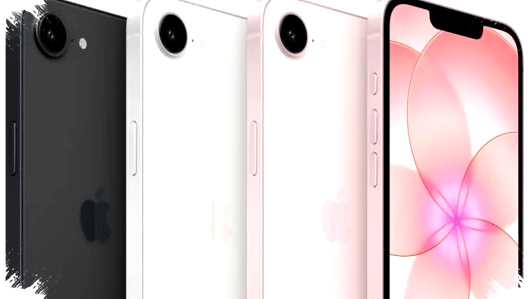
At first glance, iPhone 17e and iPhone 16e look almost the same. Both keep Apple’s familiar formula with an aluminum frame, glass back, and IP68 water resistance, so anyone expecting a major redesign will not find one here.
The important upgrade sits in the display protection. iPhone 16e uses first-generation Ceramic Shield, while iPhone 17e gets Ceramic Shield 2, which the source notes is harder on the Mohs scale, moving from level 4 to level 5.
That sounds technical, but the practical result is easy to understand. The newer model should resist daily scratches better, especially from keys, dust, or rough surfaces that slowly wear down a phone over months of use.
The screen itself also gets a refinement that matters in daily life. Both phones use OLED panels with the same basic resolution and brightness, but iPhone 17e adds a better anti-reflective layer that improves visibility under direct sunlight.
The display improvement is small, but useful
This kind of change rarely shows up in a quick store demo. It becomes useful later when the phone is used outdoors, in the car, or while navigating in bright conditions.
For mobile users, that means fewer awkward angles just to read a message or check a map. It is not a headline feature, but it is the sort of detail that improves the experience every day.
Performance is where the 17e gets ahead
The biggest gap appears in the chipset. iPhone 17e runs on Apple A19 built on a 3nm process, while iPhone 16e uses A18, also on 3nm, but with a lower top CPU speed according to the source.
The reference says A19 delivers around 5% to 7% better single-core performance and improves power efficiency, especially when multitasking or gaming. That may not sound dramatic, but in a phone you keep for several years, even a small gain can help the device feel fresher longer.
There is also an important future-facing angle here. The article indicates iPhone 17e is likely to receive iOS updates until around 2032, while iPhone 16e may stop around 2031.
That one-year difference may not matter to every buyer today. But for users who keep phones for four to six years, it adds value because software support plays a major role in security, app compatibility, and resale appeal.
Wireless charging is a real upgrade
Charging behavior is another area where the newer model stands out. iPhone 17e supports 15W MagSafe and Qi2, while iPhone 16e remains limited to 7.5W standard Qi wireless charging.
The difference is not subtle in daily use. According to the source, iPhone 17e can reach 50% from empty in about 45 minutes with a certified MagSafe charger, which is roughly twice as fast as the older model’s wireless charging experience.
For people who work remotely, move between meetings, or often top up their phone on a desk stand, this change may matter more than a camera tweak. The battery capacity stays the same at 4,005 mAh on both models, so the benefit is not longer endurance, but faster replenishment when the battery runs low.
Camera hardware is similar, but processing changes the result
Apple did not replace the main camera sensor, and that is worth noting before expectations go too high. Both phones use a 48MP main camera and a 12MP front camera, so the raw hardware stays close.
What changes is how the A19 processes images on the iPhone 17e. The reference says the newer model produces more balanced HDR, better color consistency, and improved detail in complex scenes such as leaves, buildings, and textured surfaces.
That means the iPhone 17e is less likely to blow out highlights or crush shadows in mixed lighting. It is a refinement, not a reinvention, but for everyday photography it should lead to more reliable results without needing the user to do much.
The front camera also benefits, especially for video. iPhone 17e supports Dolby Vision HDR with better stability, and skin tones should look more natural in difficult light, including neon lighting or dim indoor spaces.
Quick comparison of the key differences
- iPhone 17e: A19 chipset, iPhone 16e: A18 chipset.
- iPhone 17e: Ceramic Shield 2, iPhone 16e: first-generation Ceramic Shield.
- iPhone 17e: 15W MagSafe and Qi2, iPhone 16e: 7.5W Qi wireless charging.
- iPhone 17e: better anti-reflective display layer, iPhone 16e: standard OLED protection.
- iPhone 17e: likely longer iOS support, iPhone 16e: slightly shorter software lifespan.
Price difference and buying value
The reference places iPhone 17e at about ₹65,000, which is roughly $780, while iPhone 16e is listed at about ₹60,000, or roughly $720. That gives the newer model a price premium of about $60, which is not huge, but still enough to force a choice.
Here is the practical reading of that gap:
| Model | Approximate Price | Storage Options |
|---|---|---|
| iPhone 17e | $780 | 256GB / 512GB |
| iPhone 16e | $720 | 128GB / 256GB / 512GB |
If you are buying your first iPhone and plan to use it for years, the 17e looks like the smarter long-term choice. The extra money buys a faster chip, tougher display protection, much faster wireless charging, and a longer software runway.
If you already own iPhone 16e, the case for upgrading is weaker. The source is clear that the differences are too small to justify a switch unless you specifically care about faster wireless charging or need slightly better consistency in photo and video processing.
Who should wait and who should buy now
Users who buy a phone every three to five years should focus on support life and charging convenience. For them, iPhone 17e offers enough practical upgrades to feel like a safer purchase, especially if they often use MagSafe accessories.
On the other hand, users who are price-sensitive may still find iPhone 16e attractive because it delivers the same core Apple experience at a lower cost. In daily tasks like messaging, streaming, browsing, and standard photography, the older model remains solid.
There is also a storage consideration. The reference shows iPhone 16e comes with a 128GB option, while iPhone 17e starts at 256GB. That matters for people who keep a lot of photos, apps, and offline media on their phone.
So if the question is whether buyers should rush to purchase the 17e, the answer depends on their timeline. If they want the most balanced choice for the next several years, the newer model makes more sense.
If they only need a dependable iPhone now and can live without faster wireless charging or the slightly stronger display protection, the 16e still offers steady value in 2026 and beyond.