


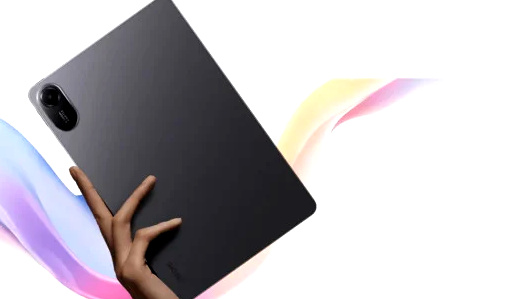
Still using your phone as a hotspot to get work done? That habit can drain battery fast, heat up the device, and make your connection less reliable during meetings or file uploads. For people who work from cafés, campuses, co-working spaces, or on the move, a SIM card tablet can be a more practical setup because it keeps data access independent from a smartphone.
The appeal is simple. A tablet with 4G or 5G support lets users browse, join video calls, edit documents, and switch between apps without turning a phone into a modem all day.
Why SIM card tablets are getting more attention
Remote and mobile work has made portable devices more important than ever. A connected tablet gives you a larger screen than a phone, but still stays light enough to carry in one hand or slip into a small bag.
Compared with tethering, a dedicated tablet also tends to offer a steadier workflow. Your phone stays free for calls, chats, and emergency use, while the tablet handles the heavier tasks that need a bigger display and longer focus time.
What matters most before buying
Not every cellular tablet fits productivity needs. Buyers should look at chipset efficiency, battery size, screen quality, stylus support, software updates, and how fast the mobile network is supported.
These details matter because a connected tablet is often used for longer sessions than casual entertainment. A model with weak battery tuning or sluggish charging can interrupt work just as much as a phone hotspot can.
- Long software support for longer use
- Fast and efficient chipset for multitasking
- Large battery for all-day activity
- Quality display for reading and split-screen work
- Stylus or desktop-like features for notes and documents
Samsung Galaxy Tab A11 Plus 5G: the long-term option
Samsung’s Galaxy Tab A11 Plus 5G stands out because of its focus on longevity rather than only raw performance. It runs on the MediaTek Dimensity 7300 built on a 4nm process, which usually helps efficiency and heat control during daily work.
The bigger highlight is Samsung’s software promise. The company is offering up to seven years of OS updates, extending support all the way to Android 23 under its current plan.
That kind of commitment gives the tablet more value for users who want to keep one device for a long time. It also supports Samsung DeX, a feature that gives the interface a more laptop-like layout for document editing and multitasking.
Samsung Galaxy Tab S10 Lite 5G: for writing and creative work
For users who need more precision, the Galaxy Tab S10 Lite 5G offers a more serious productivity setup. Its 10.9-inch screen comes with a 90Hz refresh rate, which makes scrolling and app switching feel smoother.
Samsung also includes S Pen support, and that can change how people take notes or mark up files. The stylus experience is useful for students, office workers, and content creators who prefer handwriting over typing.
The tablet also supports 5G, which helps during online meetings or cloud-based work. Samsung’s Blue Light Reduction feature adds another practical benefit for people who spend long hours reading or writing on screen.
Redmi Pad 2 LTE: a strong value choice
Redmi continues to target users who want more specs for the money. The Redmi Pad 2 LTE brings an 11-inch display with 2.5K resolution, making it a strong option for content viewing, reading, and split-screen tasks.
Battery life is one of its biggest strengths. The tablet packs a 9,000 mAh battery, which should be enough for a full day of mixed use in many cases.
The trade-off comes in charging speed. Redmi uses 15W charging, so topping up the battery takes patience, especially if you often forget to charge before leaving home.
Infinix Pad Edge: a big screen for multitasking
Users who want more space for spreadsheets or side-by-side apps may prefer the Infinix Pad Edge. Its 13.2-inch IPS display with 2.4K resolution gives it one of the largest viewing areas in this group.
The tablet runs on the Snapdragon 685 and comes with 8GB RAM, which should be enough for everyday multitasking, note-taking, media use, and browser-based work. The larger panel also makes split-screen viewing feel less cramped.
Its 8,000 mAh battery is respectable, but the 18W charging speed means refueling is not especially fast. That makes it better suited for people who plan their charging routine in advance.
Tecno Megapad SE: light, practical, and easy to carry
Tecno takes a different route with the Megapad SE. At just 489 grams, it is one of the lightest options in this group and may suit users who move around a lot during the day.
The tablet also offers 256GB of storage, which is useful for large work files, presentations, media assets, and offline documents. That storage size is especially helpful for users who do not want to depend on cloud access all the time.
Tecno adds an AI Quick Button as a shortcut to selected productivity apps. Small features like that can improve convenience when users need quick access during meetings or classes.
Quick comparison of the five tablets
| Model | Main strength | Best for |
|---|---|---|
| Samsung Galaxy Tab A11 Plus 5G | 7 years of OS updates, DeX, efficient chip | Long-term productivity |
| Samsung Galaxy Tab S10 Lite 5G | S Pen, 90Hz display, 5G | Note-taking and creative work |
| Redmi Pad 2 LTE | 11-inch 2.5K display, 9,000 mAh battery | Budget-conscious users |
| Infinix Pad Edge | 13.2-inch display, 8GB RAM | Split-screen and large documents |
| Tecno Megapad SE | 489g weight, 256GB storage | Frequent travelers and students |
Which one fits each type of user
If the priority is long-term support and a desktop-style workflow, the Samsung Galaxy Tab A11 Plus 5G looks like the safest choice. The combination of strong software support and DeX makes it more future-friendly for regular work.
If note-taking, drawing, or document marking matters more, the Samsung Galaxy Tab S10 Lite 5G offers the most balanced toolset. For users who want the biggest visual area, the Infinix Pad Edge is better for wide spreadsheets and side-by-side apps.
If budget and battery life matter most, the Redmi Pad 2 LTE remains compelling because of its big battery and sharp display. For mobility and easy carrying, the Tecno Megapad SE provides a lighter build without sacrificing storage space.
The market for SIM card tablets is growing because many users no longer want to rely on a phone hotspot for basic productivity. With mobile work becoming more common, these tablets offer a cleaner way to stay connected, keep a larger screen available, and reduce the daily battery stress that comes with tethering.