Apple’s comparison of the iPhone 17e and iPhone 16e points to a familiar strategy: keep the overall design steady, then improve the parts that matter most in everyday use. For buyers searching for the real differences between the two models, the main story is not a radical redesign, but a newer chip, better efficiency, and software-led upgrades that make the iPhone 17e feel more current.
That approach fits Apple’s wider pattern in its entry-level iPhone line. Instead of moving fast on visible changes, Apple often uses a gradual refresh cycle that preserves the core iPhone experience while tightening performance, battery life, and long-term software support.
What Apple changed in the iPhone 17e


The biggest difference between the two phones is the chipset. The iPhone 17e is reported to use a newer-generation processor than the iPhone 16e, and that matters because the chip drives speed, graphics output, AI tasks, and power efficiency.
A newer processor usually brings three practical benefits. Apps open faster, games run smoother, and the phone handles background tasks with less strain. For users who rely on their phone for messaging, navigation, social media, and light content creation, that kind of upgrade can be more noticeable than a cosmetic redesign.
Apple also appears to have improved how the device handles power. The company has long paired hardware and software closely, and that helps it stretch battery life without always making the battery itself much larger. In daily use, that can mean fewer charging breaks and more consistent performance across the day.
Design stays close, not dramatically different
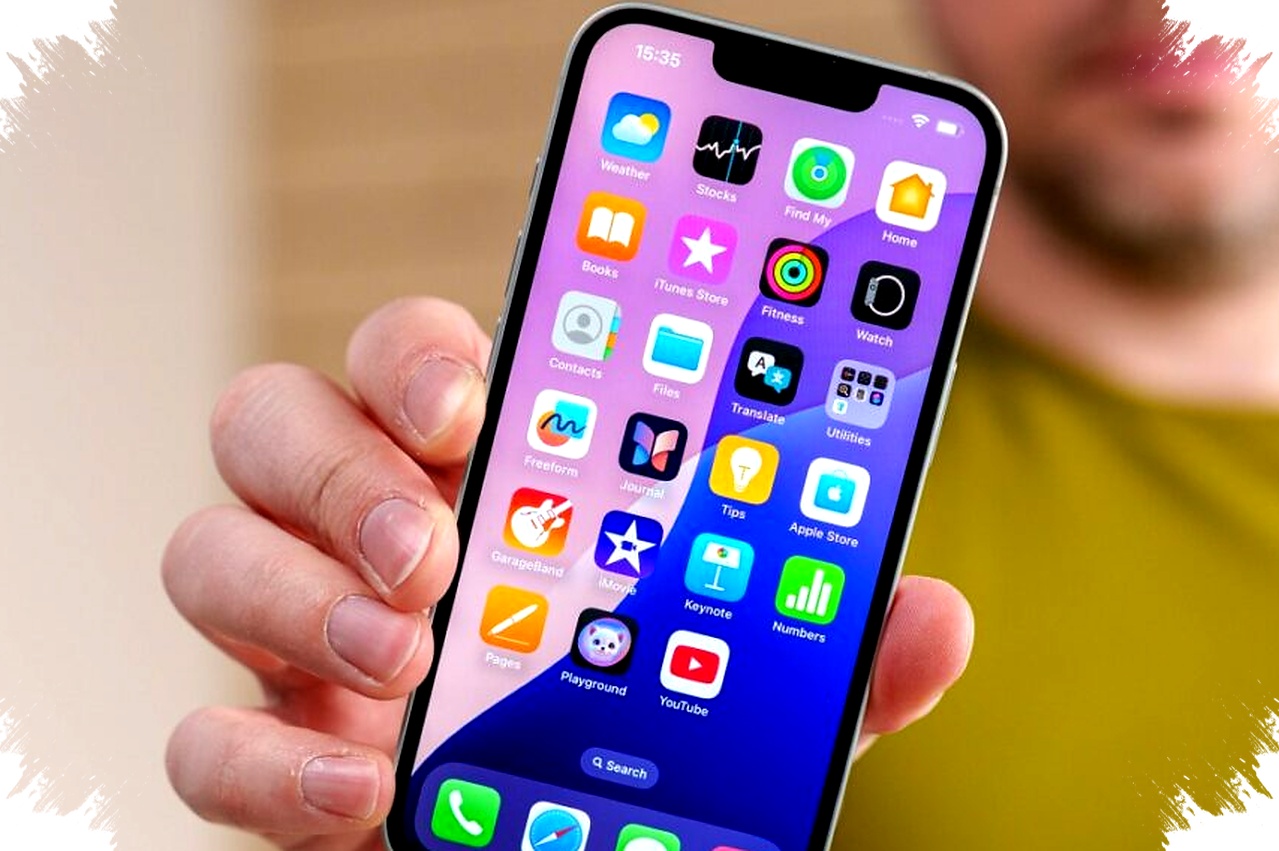
Apple seems to have kept the design language similar between the iPhone 17e and iPhone 16e. That means buyers should not expect a major shift in the shape, layout, or overall look of the device.
This type of move is common in Apple’s lower-cost models. A familiar design helps reduce production complexity, keeps the product line easy to recognize, and allows Apple to focus spending on internal upgrades instead of external changes. For buyers, that also means cases, handling, and the general feel of the phone may remain very close across generations.
Camera upgrades come through software
The camera setup is another area where Apple seems to have taken a measured approach. The reference material indicates that the configuration remains relatively similar, but image processing has been refined through software.
This is consistent with Apple’s heavy use of computational photography. Rather than relying only on bigger sensors or more camera modules, Apple often improves photo quality through algorithms that adjust exposure, sharpen details, and balance colors in real time.
That can matter more than spec sheets suggest. A camera with the same hardware can still deliver better portraits, cleaner low-light shots, and more stable video if the image pipeline gets a meaningful update.
Display appears familiar too
The iPhone 17e and iPhone 16e are also expected to keep a similar display technology. Apple typically protects the visual consistency of its entry-level phones while reserving premium screen features for Pro models.
That means users looking for big changes such as a much faster refresh rate or a completely new panel type may not find them in the “e” lineup. The trade-off is that Apple can preserve predictable quality and keep the device priced more competitively.
Key differences between iPhone 17e and iPhone 16e
- The iPhone 17e uses a newer chipset.
- The newer chip improves performance and graphics capability.
- The iPhone 17e should offer better power efficiency.
- Camera hardware looks similar, but image processing is improved.
- The display approach stays close to the previous generation.
- The overall design remains largely unchanged.
Why Apple keeps the “e” series conservative
Apple’s strategy with the “e” line seems clear. The company wants an entry-level iPhone that gives users access to iOS, Apple services, and the broader ecosystem without requiring the cost of a flagship model.
That matters in a crowded mid-range market. Competitors continue to launch phones with aggressive hardware at lower prices, so Apple needs a model that feels affordable but still dependable. By keeping the core design stable and improving the parts that directly affect speed and battery life, Apple can protect the identity of the line while still making each new generation relevant.
This also helps Apple expand its user base. A lower-cost iPhone can bring new users into services like the App Store, iCloud, Apple Music, and other subscription products that strengthen Apple’s business beyond hardware sales.
What buyers should pay attention to
For most users, the real decision between the two phones will come down to how much value they place on internal improvements. If the iPhone 16e already covers basic needs, the iPhone 17e becomes attractive mainly for its newer processor and the efficiency gains that come with it.
If the phone is used heavily for gaming, multitasking, or long hours away from a charger, the iPhone 17e should make more sense. If the goal is simply a reliable iPhone for communication, streaming, and standard daily use, the iPhone 16e may still remain a practical option depending on pricing and availability.
The comparison also shows how Apple defines its entry-level iPhones in 2026. The company is not chasing visible reinvention in this category, but refining the user experience through better silicon, smarter software, and incremental improvements that keep the device aligned with the rest of the ecosystem.