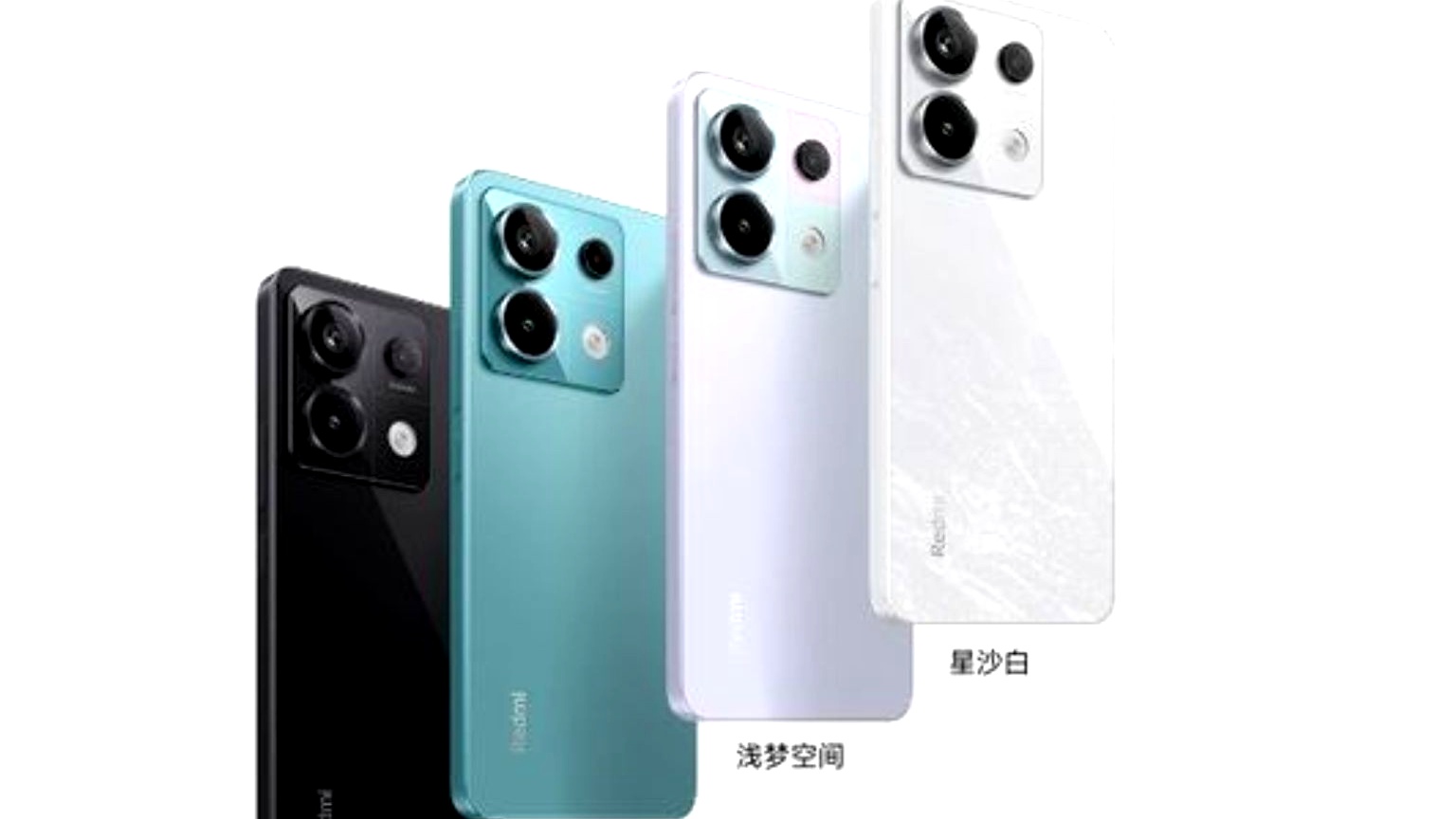
Redmi Note 13 Pro comes in two versions that target different kinds of buyers. The 4G model uses the MediaTek Helio G99-Ultra, while the 5G model runs on the Qualcomm Snapdragon 7s Gen 2, and that difference shapes almost every buying decision.
Both phones still aim at the same audience: users who want a premium-looking midrange device with strong cameras, fast charging, and a bright AMOLED display. The real question is not which one is better on paper, but which one feels more attractive for daily use, gaming, and future-proof connectivity.
Two versions, one familiar formula


Xiaomi keeps the Redmi Note 13 Pro family close in design and feature set, but it clearly separates the two versions through performance and display quality. The 4G variant focuses on balance and efficiency, while the 5G model adds stronger hardware for users who want more speed and network support.
That strategy matters because many buyers no longer compare phones only by price. They now look at screen quality, camera stability, charging speed, and how well a phone will age over the next few years.
Display: the 5G model has the sharper edge
The Redmi Note 13 Pro 4G uses a 6.67-inch AMOLED FHD+ display with a 2400 x 1080 resolution. It also offers a 120Hz refresh rate and a peak brightness of 1,300 nits, which is already strong for outdoor viewing and social media use.
The 5G version pushes the panel further with a 6.67-inch AMOLED 1.5K display at 2712 x 1220 resolution and a higher peak brightness of 1,800 nits. It also uses Corning Gorilla Glass Victus, while the 4G model relies on Corning Gorilla Glass protection, making the 5G phone more convincing for users who value durability and visual sharpness.
In everyday use, the 5G screen will look crisper, especially when reading text, editing photos, or watching high-resolution videos. For many people, that alone can make the 5G model feel more premium.
Chipset battle: Snapdragon 7s Gen 2 vs Helio G99-Ultra
This is the most important difference between the two phones. The 4G model uses the Helio G99-Ultra built on a 6nm process, a chipset known for efficiency and stable performance in light to moderate use.
The 5G version relies on the Snapdragon 7s Gen 2 built on a 4nm process, and that naturally gives it a stronger performance profile. Qualcomm’s chip is also paired with 5G connectivity, which gives it a clear advantage for users who stream, download large files, or want better network speeds in supported areas.
For multitasking and gaming, the Snapdragon model is the more attractive choice. The Helio G99-Ultra can still handle daily apps, messaging, video playback, and casual gaming well, but the Snapdragon 7s Gen 2 has more room for heavier workloads and longer-term use.
Battery and charging remain nearly equal
Xiaomi does not create a big gap in battery life between the two. The Redmi Note 13 Pro 4G comes with a 5,000mAh battery, while the 5G model gets a slightly larger 5,100mAh cell.
Both support 67W Turbo Charging, which is one of the most useful features in this segment. That means users can refill the battery quickly, and they do not need to keep the phone plugged in for long periods.
For typical daily use, both models should deliver solid endurance. The 5G version may consume a bit more power in some situations because of the faster chipset and higher-resolution display, but the difference should not be dramatic for most users.
Camera hardware stays a major selling point
Xiaomi keeps the camera package strong on both variants. The headline feature is a 200MP main camera using the ISOCELL HP3 sensor, and it includes both Optical Image Stabilization and Electronic Image Stabilization.
That combination should help produce sharper photos and steadier video, especially in motion or low-light situations. The phone also supports 4x lossless zoom, which gives users a practical way to shoot distant subjects without sacrificing too much image quality.
For content creators, this camera setup remains one of the biggest reasons to consider the Redmi Note 13 Pro line. It gives midrange buyers access to features that usually appear in more expensive phones.
Build quality and protection are also competitive
Both phones use a slim body with glass on the front and back, plus a plastic frame that keeps the structure sturdy. Xiaomi also includes an in-display fingerprint sensor, which keeps the design clean and modern.
The pair carries an IP54 rating, offering resistance against dust and splashes. That is not full waterproofing, but it still gives useful everyday protection for commuting, light rain, and accidental exposure to moisture.
Which model is more interesting for different users?
For buyers who prioritize value and stable everyday use, the Redmi Note 13 Pro 4G still looks appealing. It gives a bright AMOLED screen, a 200MP camera, fast 67W charging, and efficient performance in a package that should satisfy most non-heavy users.
For buyers who want better long-term relevance, the Redmi Note 13 Pro 5G is the more compelling option. It offers a sharper display, better brightness, stronger performance from the Snapdragon 7s Gen 2, and 5G support that makes it more future-ready.
- Choose the 4G model if you mainly use the phone for social media, calls, videos, and light gaming.
- Choose the 5G model if you want faster performance, a better screen, and stronger future-proof value.
- Choose either model if camera quality and fast charging matter more than flagship-level gaming.
The stronger overall package still belongs to the 5G version, mainly because the Snapdragon 7s Gen 2 and 1.5K display give it a clear technical advantage. But the 4G model remains relevant because it keeps the core Redmi Note 13 Pro formula intact, and for many users that balance of price, camera, battery, and display is exactly what makes it attractive.