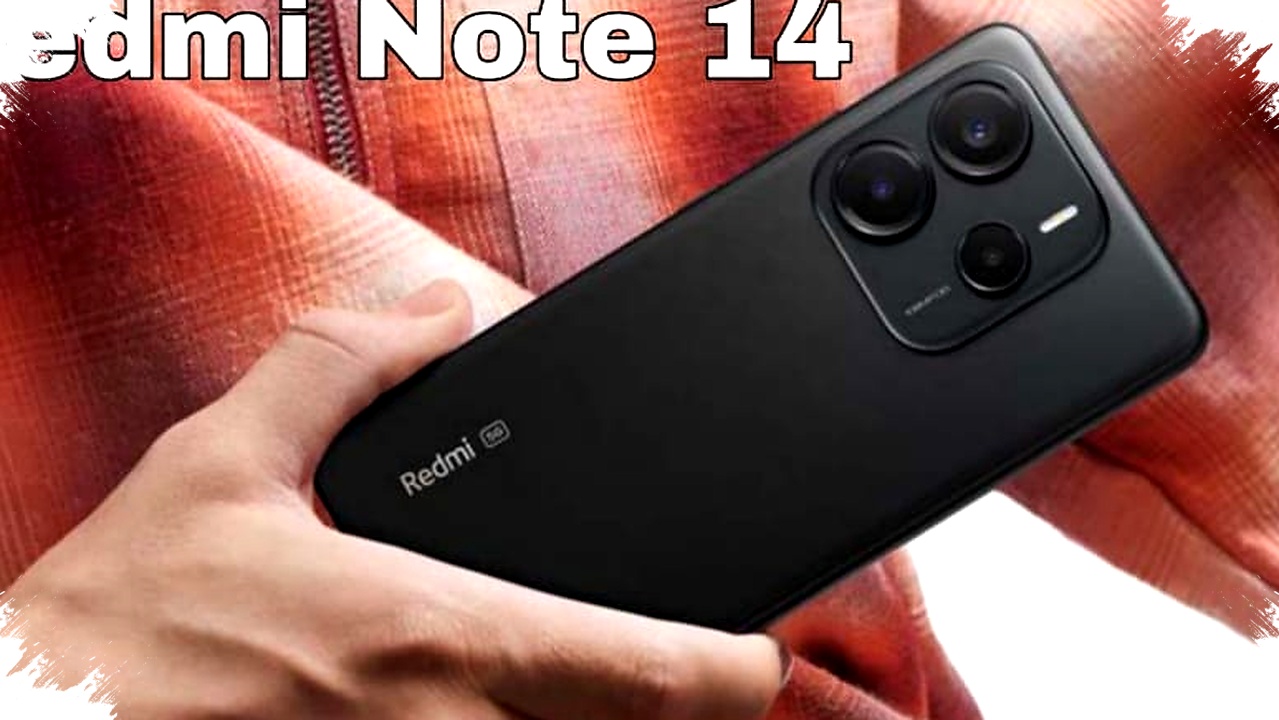
Xiaomi’s Redmi Note 14 continues the company’s long push to make mid-range phones feel more premium, and the camera system is the main reason it stands out. The phone puts a 108MP main sensor at the center of the experience, aiming to deliver sharper photos, better portrait results, and cleaner social-ready shots without moving into flagship pricing.
For many buyers, that combination matters more than raw benchmark numbers. Xiaomi pairs the high-resolution camera with a 6.67-inch AMOLED display, a 120Hz refresh rate, and a large 5,500mAh battery, creating a phone that targets users who want strong daily performance, long endurance, and very good imaging in one package.
A 108MP camera built for detail


The biggest selling point of the Redmi Note 14 is its 108MP primary camera with AI support. In practical terms, the high pixel count helps the phone retain more detail in bright outdoor scenes, which is useful when users crop photos or zoom in after shooting.
The reference report highlights that the camera is especially strong for portrait and selfie use. That makes sense for a phone in this segment, since many buyers now use their devices as primary cameras for messaging apps, short-form video, and content creation.
A 108MP sensor does not automatically guarantee better photos in every condition. But when Xiaomi combines it with software processing and AI enhancements, the phone gains a better chance of producing crisp images with balanced colors and decent edge detection in portraits.
Why the display matters as much as the camera
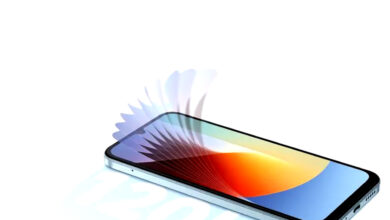
Xiaomi does not limit the Redmi Note 14 to camera hardware alone. The phone uses a 6.67-inch AMOLED panel with a 120Hz refresh rate, and that matters because a good display changes how users experience photos, video, games, and everyday scrolling.
The panel can reach up to 2,100 nits of brightness, based on the source data. That level of brightness helps the screen remain visible in daylight, which is useful for outdoor photography review, map use, and quick replies under strong sun.
A 120Hz refresh rate also makes motion look smoother. Users will notice that in app navigation, social feeds, and gaming, where the screen feels more fluid than a standard 60Hz panel.
Battery life stays in the spotlight
Battery capacity is another area where the Redmi Note 14 aims to be practical. The device carries a 5,500mAh battery, which places it among the larger batteries in the mainstream mid-range category.
That size should help users get through a full workday with room to spare, especially if they mix messaging, video streaming, camera use, and light gaming. Xiaomi also supports fast charging between 33W and 45W depending on the variant, which makes it easier to top up the battery without waiting too long.
Here is a simple view of the main endurance-related specs:
| Feature | Redmi Note 14 |
|---|---|
| Battery | 5,500mAh |
| Fast charging | 33W to 45W |
| Display refresh rate | 120Hz |
| Peak brightness | Up to 2,100 nits |
These numbers show that Xiaomi wants the phone to feel reliable in daily use, not just impressive on a spec sheet.
Two chipset options, one mid-range strategy
The Redmi Note 14 comes in different versions, and the chipset depends on the model. The 4G version uses the MediaTek Helio G99-Ultra, while the 5G model uses the MediaTek Dimensity 7025-Ultra.
That split gives Xiaomi flexibility across markets. Buyers who do not need 5G can still get a phone with familiar mid-range performance and a lower cost, while users who want faster mobile connectivity can move to the 5G version.
The strategy fits the wider Redmi Note series formula. Xiaomi tends to offer multiple configurations so more users can choose based on budget, network access, and storage needs rather than settle for a single fixed model.
Storage and memory options add room to grow
The Redmi Note 14 also comes with 8GB or 12GB of RAM, plus storage options of 128GB, 256GB, and up to 512GB. Xiaomi uses UFS 2.2 storage, which is standard in this class and should provide acceptable app loading and file transfer speeds for everyday use.
For many buyers, the storage ceiling matters because modern camera files, especially high-resolution images and video, consume space quickly. A 512GB option makes the phone more appealing for heavy users who store many photos, offline videos, and large apps.
The available configurations can be summarized simply:
- RAM: 8GB or 12GB
- Storage: 128GB, 256GB, or 512GB
- Storage standard: UFS 2.2
- Network options: 4G or 5G variant
This range helps the Redmi Note 14 reach both casual users and people who need more headroom for long-term use.
Durability and everyday usability
Xiaomi also includes Gorilla Glass 5 on the front, which adds an extra layer of protection against scratches and minor impacts. That is a useful detail for a mid-range phone, where buyers often look for a balance between price and durability.
The design approach is clearly focused on everyday use. The phone is not trying to be a rugged device, but it does include enough protection and battery capacity to handle commuting, travel, and constant use during the day.
The reference article also places the device in the early 2025 release window, which means it is part of Xiaomi’s newer mid-range lineup rather than an older refresh. That timing matters because buyers often compare it with other recently launched models in the same price class.
Who the Redmi Note 14 is for
The Redmi Note 14 is best suited to users who care about camera quality but do not want to pay flagship prices. It also fits people who want a bright display, long battery life, and a choice between 4G and 5G without moving far up the price ladder.
In the middle segment of the market, that balance is often the deciding factor. Xiaomi appears to be targeting students, young professionals, and content-focused users who need a phone that looks modern, performs well in daily tasks, and captures detailed photos in a variety of settings.
The device’s 108MP camera is not the only reason to consider it, but it is the feature that shapes the whole product story. When combined with the AMOLED screen, large battery, and flexible chipset options, the Redmi Note 14 becomes a strong example of how the mid-range smartphone market now offers features that were once reserved for much more expensive devices.