


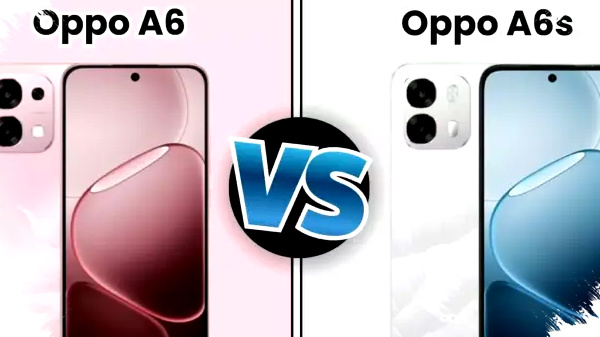
OPPO A6s and OPPO A6 look almost identical at first glance, but the real difference becomes clear when you focus on charging speed and front-camera hardware. If you are comparing these two mid-range phones, the short answer is simple: both bring the same core experience, but one small upgrade can change which model feels more practical in daily use.
Both devices target buyers who want stable performance, long battery life, and modern features without moving into the premium segment. Based on the reference article, OPPO designed the A6s and A6 as close siblings, yet they are positioned a little differently for users with different priorities.
What They Share First
The biggest reason this comparison is interesting is that the two phones are built on the same foundation. Both OPPO A6s and OPPO A6 use the Snapdragon 685 chipset on a 6nm process, which is a solid setup for daily apps, social media, video streaming, and light gaming.
Both models also include OPPO’s SuperCool VC cooling system, which helps keep temperatures under control during longer sessions. In practical terms, that means less throttling and a more stable experience when you switch between apps or play games for extended periods.
Here is the shared core package at a glance:
- Snapdragon 685 chipset
- 6nm fabrication
- 6.75-inch LCD display
- HD+ resolution
- 120Hz refresh rate
- 7,000mAh battery
- 50MP main camera
- 2MP monochrome camera
- NFC support
- IP66, IP68, and IP69 water and dust resistance
That shared list already makes both phones attractive for users who want durability and battery endurance. Yet the difference between them is not in the basics, but in a few details that matter more than they first appear.
Design: Same Body, Different Personality
OPPO keeps the physical profile of the A6s and A6 very close, with similar dimensions and weight. The company instead changes the visual identity through color and surface treatment, giving each model a different mood.
According to the reference, the A6s leans toward a more elegant look with Brown and White finishes that use a unique texture. The A6 takes a more playful direction with Blue and Pink options that carry a more artistic pattern.
For many buyers, this may sound minor. But in the real world, design often influences how a phone feels in hand, especially if you use it as a daily companion for work, school, or travel.
Display Experience Stays Equal
OPPO does not separate these phones in the display department, and that is important for anyone who values screen smoothness. Both use a 6.75-inch LCD panel with HD+ resolution and a 120Hz refresh rate, which should make scrolling feel smoother than standard 60Hz panels.
The article also notes that brightness is high enough to remain comfortable even under stronger light. That makes the viewing experience more consistent for watching videos, browsing, or checking messages outdoors.
Battery Life: Equal Capacity, Different Speed
The battery story is where the comparison starts to become more practical. Both OPPO A6s and OPPO A6 pack a 7,000mAh battery, a capacity that puts them in the large-battery category and should easily last through a full day of use for most people.
That said, battery size is only one part of the story. The more decisive factor is charging speed, and this is where the A6s pulls ahead sharply.
The reference says OPPO A6s supports 80W SUPERVOOC charging, while the OPPO A6 stops at 45W. For users who often forget to charge their phone overnight or need quick top-ups between meetings, classes, or travel, that is a meaningful gap.
Why charging speed matters more than it seems:
- It reduces downtime during busy days.
- It makes a large battery easier to live with.
- It adds convenience for heavy users and gamers.
- It can be more valuable than a small spec upgrade elsewhere.
Even though both phones have the same 7,000mAh battery, the A6s is the one that feels more future-proof in this area because charging speed affects daily behavior more directly than many buyers expect.
Camera: The Selfie Advantage Belongs to A6s
On the back, both phones are closely matched. Each device uses a 50MP main camera paired with a 2MP monochrome sensor, so the main photography experience should be broadly similar in daylight and ordinary conditions.
The front camera is where the A6s gains another clear edge. OPPO gives the A6s a 16MP selfie camera, while the A6 only gets an 8MP front shooter. For people who rely on selfies, video calls, content creation, or face-to-camera communication, that difference is not cosmetic.
A stronger front camera can improve sharpness, detail, and overall confidence in social use cases. In a market where buyers increasingly use their phone cameras for messaging apps, short videos, and virtual meetings, the A6s makes a stronger case.
AI Features and Durability Keep the Two Models Relevant
Both devices also lean heavily on modern software and protection features. The article mentions AI Eraser, AI Portrait, and AI GameBoost, all of which help improve the daily experience without requiring the user to do much manually.
The IP66, IP68, and IP69 certifications are another strong selling point. They suggest a high level of resistance to water and dust, and that is still uncommon in many mid-range phones.
This protection matters because it adds confidence in real situations, such as rain, spills, dusty environments, or accidental exposure. Combined with NFC, both phones feel well prepared for everyday digital use in 2026-style mobile life.
OPPO A6s vs OPPO A6: The Real Decision Points
If you are trying to choose between these two phones, the difference becomes easier to understand when the specs are grouped by priority.
| Category | OPPO A6s | OPPO A6 |
|---|---|---|
| Chipset | Snapdragon 685 | Snapdragon 685 |
| Display | 6.75-inch LCD, 120Hz | 6.75-inch LCD, 120Hz |
| Battery | 7,000mAh | 7,000mAh |
| Charging | 80W SUPERVOOC | 45W |
| Main Camera | 50MP + 2MP | 50MP + 2MP |
| Selfie Camera | 16MP | 8MP |
| Protection | IP66/IP68/IP69 | IP66/IP68/IP69 |
| NFC | Yes | Yes |
The table shows why the A6s stands out despite the overall similarity. It does not change the core formula, but it improves the two areas many users notice every day: charging and selfies.
Price and Value Perspective
The reference article says the OPPO A6 is the more affordable option, while the A6s costs more because of its upgraded features. That is a familiar trade-off in the smartphone market, and it usually comes down to whether the added cost translates into benefits you will actually use.
If budget is the priority, the A6 already brings a strong set of features for the price. If convenience matters more, especially faster charging and better selfie quality, the A6s offers a more balanced premium edge without moving into a completely different class of phone.
For buyers who keep their devices for years, that difference can matter more than a slightly lower sticker price. The A6s rewards heavier users, while the A6 suits those who want the same core hardware at a friendlier cost.
OPPO’s strategy here is clear: both phones are built to feel durable, long-lasting, and modern, but the A6s is tuned for users who want fewer compromises in daily use. If the choice comes down to one feature that decides the winner, 80W charging combined with the 16MP selfie camera gives the A6s the stronger overall appeal.