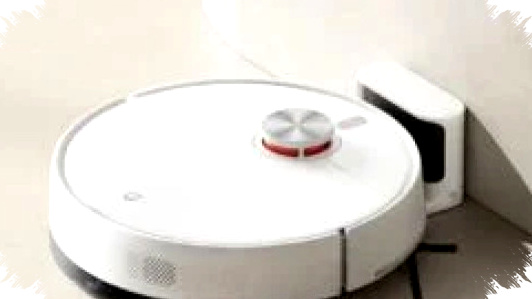
Xiaomi has expanded its smart-home lineup with the Mijia Robot Vacuum and Mop 4, a new cleaning device aimed at buyers who want strong suction without paying a premium. The model stands out because it combines a 10,000Pa suction rating, laser navigation, and long battery life at a price that sits in the affordable mid-range segment.
The product is now listed for the China market, and the launch strategy shows Xiaomi is still focused on giving mainstream consumers access to features that used to be reserved for higher-end robot vacuums. For households that deal with dust, pet hair, and mixed floor surfaces, the Mijia Robot Vacuum and Mop 4 is designed to handle daily cleaning with minimal manual effort.
A 10,000Pa suction claim that targets deeper cleaning


The headline feature is the 10,000Pa suction power, a figure that places this robot vacuum above many standard models in the market. In practical terms, higher suction helps the device pull in fine dust, larger debris, and pet hair more effectively, especially on carpets and in corners where dirt tends to settle.
For context, many mainstream robot vacuums operate in a roughly 2,500Pa to 6,000Pa range, according to common market positioning across the category. Xiaomi is clearly pushing the Mijia Robot Vacuum and Mop 4 toward users who want more aggressive cleaning performance while still staying in a budget-conscious product tier.
The device also works as a 2-in-1 vacuum and mop, which makes it more versatile for homes that use both hard floors and rugs. Xiaomi equips it with a 520ml dustbin and a 270ml water tank, so it can clean longer before the user needs to empty or refill it.
Key specifications in one view
| Feature | Xiaomi Mijia Robot Vacuum and Mop 4 |
|---|---|
| Suction power | 10,000Pa |
| Dustbin capacity | 520ml |
| Water tank capacity | 270ml |
| Battery | 5,200mAh |
| Runtime | Up to 180 minutes |
| Coverage | Up to 300 square meters |
| Obstacle crossing | Up to 20mm |
| Navigation | LDS laser navigation |
The numbers make the product look competitive on paper, especially because Xiaomi keeps the pricing far below many premium rivals. That combination is likely the main reason the model is drawing attention from smart-home buyers and deal hunters alike.
Laser navigation helps the robot move with structure
Xiaomi uses LDS laser navigation, or Laser Distance Sensor technology, to map rooms more accurately and guide the robot through the home in a structured way. This type of navigation is important because it helps the vacuum avoid random movement patterns and reduces the chance of missed spots during cleaning.
In a real home, that means the robot can better understand walls, furniture edges, and room layouts. For users, the benefit is not only better coverage but also a more predictable cleaning path that can save time and reduce repeated passes.
The navigation system also makes the device more suitable for larger homes. Xiaomi says the robot can cover up to 300 square meters on a single charge, although actual performance will depend on furniture density, room layout, floor type, and cleaning mode.
Designed to reduce hair tangles
Another practical feature is the dual-claw anti-tangle brush design. This matters because one of the most common complaints about robot vacuums is hair wrapping around the brush roller, especially in homes with pets or long-haired family members.
By reducing tangles, Xiaomi aims to lower maintenance needs and make the machine easier to use over time. Less hair buildup means the brush can keep working efficiently for longer periods, while users spend less time manually cleaning the vacuum itself.
This is the kind of feature that may not sound flashy in marketing materials, but it often shapes real-world satisfaction. For many households, day-to-day convenience matters more than a short list of headline specs.
Battery life supports extended cleaning sessions
The Mijia Robot Vacuum and Mop 4 includes a 5,200mAh battery, and Xiaomi says it can run for up to 180 minutes on a single charge. That is a meaningful advantage for apartments, medium homes, and larger spaces that need longer cleaning cycles.
Extended runtime is especially useful when the vacuum runs in a combined vacuum-and-mop mode. Cleaning two surfaces at once typically consumes more power than vacuuming alone, so a larger battery helps maintain performance without forcing frequent recharging.
The robot can also clear obstacles as high as 20mm, which gives it flexibility when moving across thresholds and small changes in floor height. That feature may not solve every layout challenge, but it does help the device move more freely across common household transitions.
Why Xiaomi’s pricing strategy matters
Xiaomi has priced the Mijia Robot Vacuum and Mop 4 starting at 1,443 yuan in China, which is about $198. With subsidies in some cases, the price can fall to around $192. That puts the device in a very aggressive position for the features it offers.
For comparison, a suction rating of 10,000Pa at this price level is unusual. Many buyers looking at robot vacuums in this segment have to choose between accessible pricing and high-end specifications, but Xiaomi is trying to close that gap.
The first sale in China is scheduled to begin on April 7, which suggests Xiaomi wants to move quickly while interest in smart cleaning devices remains strong. The company has often used this kind of pricing approach to build volume and pressure competitors that charge more for similar feature sets.
Who this robot vacuum is likely to appeal to
- Homeowners who want stronger suction for dust, crumbs, and pet hair.
- Buyers looking for a vacuum and mop combo in one device.
- Users with larger floor areas who need longer battery life.
- Pet owners who want a brush system that reduces hair tangles.
- Shoppers who prefer premium-style features at a lower price point.
The Mijia Robot Vacuum and Mop 4 may be especially appealing in homes where cleaning needs are frequent but budgets remain tight. Xiaomi is not only selling convenience here, but also a value proposition built around performance-to-price balance.
What it means for the smart-home market
Xiaomi’s latest release shows how competitive the robot vacuum segment has become. Brands now use higher suction ratings, smarter mapping systems, and longer runtimes not just as premium features, but as tools to win mass-market buyers.
The Mijia Robot Vacuum and Mop 4 fits that trend well because it offers a combination that is easy to understand and easy to market: strong suction, smart navigation, long battery life, and a low entry price. If Xiaomi eventually brings this model to additional markets, it could put pressure on established brands that rely on higher pricing for comparable performance.
For now, the China debut gives a clear signal about Xiaomi’s direction in home cleaning. The company is betting that practical features and affordable pricing can still be the most persuasive upgrade for households that want a smarter way to keep floors clean.