OnePlus 13 Pro is drawing attention in Indonesia because it brings flagship-level hardware at a price of about $620. At that level, the phone positions itself as a serious alternative to premium models from Samsung and Apple, especially for buyers who want top performance without crossing into ultra-expensive territory.
The device is listed at around Rp9.8 million, or roughly $620, in the Indonesian market as of March 2026. That pricing matters because it places OnePlus in a segment where many buyers usually have to choose between well-known ecosystems and raw hardware value.
Why OnePlus 13 Pro is getting so much attention


OnePlus has built its reputation around speed, clean software, and aggressive pricing. The 13 Pro continues that formula with hardware that, on paper, competes directly with much more expensive flagship phones.
The phone uses Qualcomm’s Snapdragon 8 Gen 4, which is among the most powerful mobile chipsets in the 2026 premium class. Combined with 12 GB of RAM and 256 GB of storage, the device is designed to handle demanding apps, heavy gaming, and multitasking with little delay.
For many users, that is the main appeal. They want a phone that feels fast in daily use, launches apps quickly, and keeps performance stable under pressure.
Display and everyday experience
OnePlus 13 Pro carries a 6.78-inch AMOLED screen with a 1440 x 3412 resolution and a 165 Hz refresh rate. That combination gives the phone a sharp image, smooth scrolling, and a highly responsive feel during gaming or content browsing.
A high refresh rate may sound like a technical detail, but it affects everyday use. Menus feel more fluid, animations look cleaner, and fast-moving visuals are easier to follow.
For mobile gamers, this is a major selling point. A display with 165 Hz can make competitive play feel more precise and more enjoyable, especially in fast-paced titles that benefit from quick on-screen updates.
Key specifications at a glance
Here is a simple breakdown of the main hardware highlights:
- Chipset: Qualcomm Snapdragon 8 Gen 4
- RAM: 12 GB
- Storage: 256 GB
- Display: 6.78-inch AMOLED
- Resolution: 1440 x 3412 pixels
- Refresh rate: 165 Hz
- Operating system: Android 14 with OxygenOS
- Rear cameras: 200 MP + 50 MP + 48 MP
- Front camera: 32 MP
- Battery: Around 4,800 mAh with fast charging support
This specification set makes the phone relevant not only for power users, but also for buyers who want a long-term device with enough headroom for future apps and updates.
Camera system targets creators and heavy social users
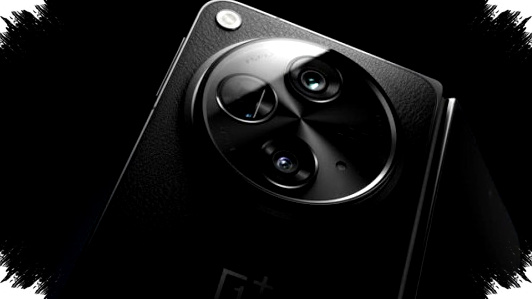
OnePlus 13 Pro also stands out because of its camera setup. The rear system uses a 200 MP main sensor, supported by 50 MP and 48 MP secondary cameras, while the front camera comes in at 32 MP.
That hardware points to a clear strategy. OnePlus wants to appeal to users who shoot photos, record video, and post content frequently from their phone.
High-resolution sensors do not guarantee perfect images in every situation, but they usually help capture more detail and provide more flexibility in editing. The reference data also notes support for 8K video, which adds to the appeal for creators who want a capable all-in-one device.
For buyers comparing flagships, camera quality often becomes a deciding factor. Samsung and Apple still dominate in brand trust and imaging reputation, but OnePlus can compete harder when the conversation shifts to specifications per dollar.
Battery life and charging remain practical strengths
The battery capacity is listed at about 4,800 mAh, which should be enough for a full day of normal use for most users. That becomes more important when paired with a high-refresh display and a powerful chipset that can otherwise drain power quickly.
Fast charging support also matters in real-world use. A premium phone should not only perform well, but also reduce downtime, and OnePlus has long been known for charging speeds that feel more practical than many rivals.
That is one reason the brand keeps finding traction among users who care less about prestige and more about daily convenience. A phone that can power through work, entertainment, and travel without constant charging is still highly attractive.
Why Samsung and Apple may feel the pressure
The competitive pressure comes from value positioning, not just raw specs. Samsung and Apple continue to lead in brand strength, ecosystem integration, and long-term support, but their flagship phones often sit far above the $620 range.
OnePlus 13 Pro challenges that pricing gap by offering a premium package at a much lower entry point. For shoppers who want a high-end Android device, that makes the decision harder for rival brands with higher price tags and less aggressive hardware-per-dollar value.
The more practical comparison is not whether OnePlus has copied the bigger brands, but whether it has created enough value to pull buyers away from them. In a market where many people now compare features on paper before buying, that can be a serious advantage.
Who should consider OnePlus 13 Pro
The device is most suitable for users who have clear priorities. If speed, display quality, and strong charging performance matter more than brand prestige, the OnePlus 13 Pro looks like a strong candidate.
It also fits mobile gamers well because of its Snapdragon 8 Gen 4 chip and 165 Hz screen. Creators who need a flexible camera system may also find it appealing, especially if they want a phone that can handle both recording and editing tasks.
At the same time, the price is still premium, even if it is more competitive than many rivals. Buyers should also check package contents carefully, since the availability of a fast charger can vary by market and retail bundle.
What makes the pricing strategy important in 2026
In 2026, the premium smartphone market is more crowded than ever. Buyers expect better performance, better cameras, and longer battery life, but many also expect better value than before.
That is why a phone like OnePlus 13 Pro gets noticed so quickly. It does not rely only on brand prestige, but on a formula that combines flagship-grade performance, a high-end display, and a camera setup that looks competitive on paper.
For Indonesian consumers, the $620 price point makes the phone especially interesting. It gives them access to a flagship experience that is close to the category leaders in hardware terms, while still sitting at a noticeably lower cost than many premium alternatives from Samsung and Apple.
The result is a phone that has become relevant not only because of its specifications, but because of what those specifications mean in a market where users are increasingly willing to compare every dollar, every feature, and every detail before deciding which flagship deserves their money.