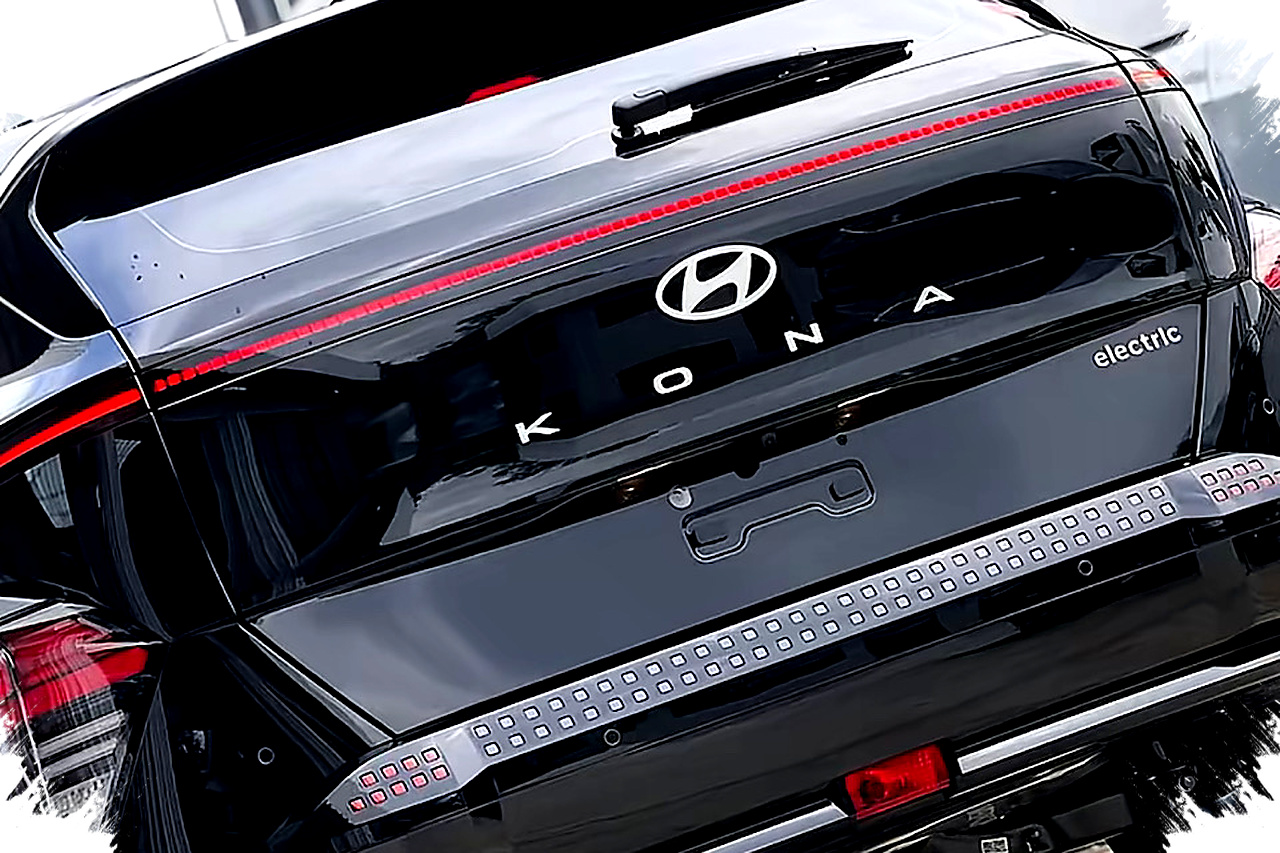
A recent first-hand account from a Hyundai Kona Electric Long Range owner has added fresh attention to electric vehicles as practical choices for long-distance holiday travel. The testimony focused on a trip home for the Eid holiday from Solo, Central Java, and highlighted why the Kona EV felt comfortable, efficient, and surprisingly confident on crowded highways.
The story also explains why the car stood out in traffic. With instant electric torque, the Kona EV could accelerate quickly when needed, making it easier to pass slower vehicles and reduce the stress often felt during long road trips in Indonesia.
Why the Kona EV Felt Ready for a Long Holiday Drive


The owner said the Hyundai Kona Electric Long Range handled hundreds of kilometers of travel with little drama. One of the clearest reasons was the car’s setup, which balanced comfort and control across mixed road conditions in Central Java.
The car uses 19-inch wheels with 235-width tires, a combination that gives it a stable stance on the road. According to the testimony, that setup helped the vehicle cope with narrow potholes, uneven pavement, and bumpy urban sections without feeling too harsh.
Suspension comfort also became a major point of praise. The driver described the ride as soft enough for daily use yet still suitable for a road trip, which matters when a holiday drive can stretch for many hours and include both smooth toll roads and rough local streets.
For many drivers, that kind of balance matters more than aggressive styling or flashy features. A car that can absorb road imperfections while staying composed is often better suited for family travel, especially during peak holiday traffic.
Battery Range Became a Practical Advantage
The Kona EV in the review uses a 66 kWh battery, and the long-range capability was one of the main reasons it was considered suitable for mudik, the Indonesian tradition of traveling home for the holidays. The driver said the car was used for a road trip of around 500 kilometers, close to 520 kilometers in practice.
That range is important because it reduces charging stops during high-traffic travel periods. The owner noted that a trip from Solo to Jakarta could be completed with just one charging stop, possibly in Cirebon, before continuing the journey.
Here is a simple view of the main travel-related points from the testimony:
| Feature | Reported Benefit |
|---|---|
| 66 kWh battery | Supports long-distance travel |
| Around 500-520 km road-trip use | Suggests strong real-world efficiency |
| One charging stop Solo-Jakarta | Reduces travel interruptions |
| 19-inch wheels and 235 tires | Improves road stability |
| Soft suspension | Helps on rough roads |
That real-world range narrative matters because holiday driving can be unpredictable. Heavy traffic, air-conditioning use, and stop-start conditions all influence battery consumption, so the fact that the car still covered a long route comfortably adds context to its appeal.
Physical Buttons Still Matter on Long Trips
Another point that drew praise was Hyundai’s decision to keep many physical buttons inside the Kona EV. The driver said this was especially helpful because many newer electric cars, particularly some from China, now place most controls inside the touchscreen.
That design can look clean and modern, but it is not always the easiest to use while driving. Adjusting climate settings or switching navigation screens through a display can take attention away from the road, which is not ideal in dense traffic.
The owner said physical controls made the car more functional. Dedicated buttons for drive mode also made the experience feel more practical, especially when driving through changing road conditions and needing quick access without digging through menus.
This is a small detail, but it often shapes everyday usability. For long-distance travel, simple controls can reduce fatigue and make the cabin feel calmer and more intuitive.
Connected Safety and Support Added Peace of Mind
The Kona EV also offers an SOS button and Hyundai’s Bluelink connection, which the driver described as a valuable ownership benefit. In the review, the feature was framed as a direct line to customer support if the battery runs low or if help is needed on the road.
The process described was straightforward. Press the SOS button, contact Hyundai support, and then receive assistance such as towing to the nearest charging facility if needed.
That kind of service network can matter as much as battery size for EV owners. A long trip becomes less intimidating when the driver knows there is a clear support system behind the vehicle, especially in areas where charging infrastructure is still developing.
For buyers comparing electric cars, after-sales support may be one of the most important factors. Range helps the car move, but assistance helps the driver feel secure.
Instant Torque Changed the Driving Experience
The most talked-about part of the testimony was the Kona EV’s electric motor. Hyundai’s electric SUV delivers 217 PS and 255 Nm of torque, figures that translate into strong and immediate response when the accelerator is pressed.
The driver highlighted that electric motors deliver torque instantly, unlike many combustion engines that need time to build power. On the road, that makes overtaking smoother and quicker when gaps appear in traffic.
In practical terms, this can be a big advantage during holiday travel. Busy highways often include drivers who move aggressively or block traffic flow, so a car with instant response can make lane changes and overtakes feel safer and less stressful.
The owner even described the effect in blunt terms, saying the Kona could make overly confident road behavior disappear quickly once the EV accelerated past slower cars. The point was not about intimidation, but about how fast and confident the car feels in real traffic.
That character can change the entire driving experience. Instead of waiting for power, the driver gets it immediately, which helps on highways, uphill sections, and passing maneuvers.
What Makes the Kona EV Relevant for Holiday Travel
The testimony points to a broader trend in the EV market. Buyers are no longer looking only at charging speed or design, but also at real usability, ride comfort, cabin controls, and roadside support.
The Hyundai Kona Electric Long Range seems to score well in those areas because it combines practical range, familiar physical controls, a comfortable suspension setup, and a support system that includes SOS connectivity. Those elements may matter more to family users than headline-grabbing specs.
The reported price of the Long Range version was about $38,000, using the article’s stated value converted into USD. In that context, the Kona EV was presented as a well-rounded option for drivers who want an electric car that can handle both daily use and long holiday roads.
As Indonesia’s EV adoption grows, stories like this help show how electric cars perform outside summary brochures. A car that can manage crowded roads, reduce fatigue, and still feel strong during overtaking may have a real edge for drivers planning a mudik trip in the years ahead.