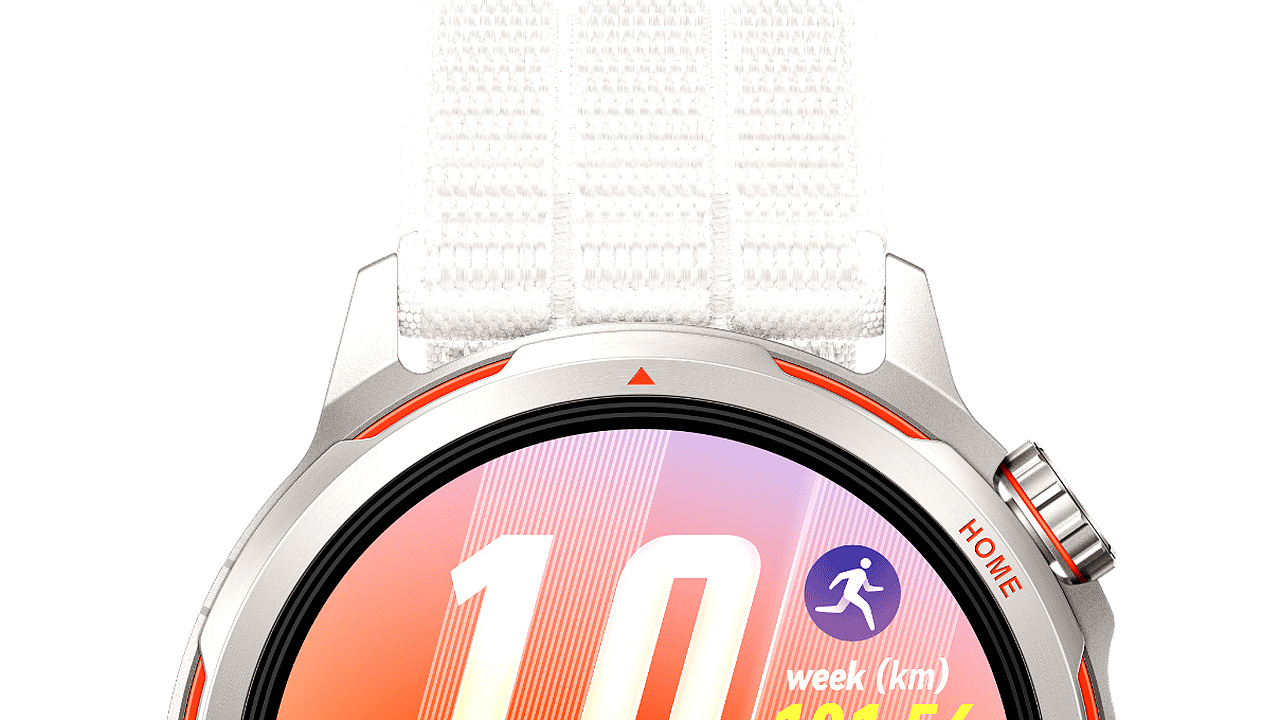
Huawei has expanded its sports-focused wearable lineup with the launch of the Huawei Watch GT Runner 2, a smartwatch built for runners who want more than basic activity tracking. The device targets everyone from casual joggers to competitive athletes, with a clear emphasis on GPS accuracy, training analysis, and all-day comfort.
What stands out immediately is how Huawei positions this model: not as a lifestyle watch with running features, but as a dedicated running tool. In a market where many smartwatches try to do everything, the Watch GT Runner 2 focuses on the core needs of runners, especially route precision, pace consistency, and recovery monitoring.
Professional-Grade GPS for More Reliable Runs

The main headline feature is Huawei’s Dual-Band Five-System GNSS support, which improves satellite lock and tracking precision in difficult environments. That matters most in dense urban areas, where tall buildings can interfere with signal quality, and on tree-covered routes where GPS drift often affects distance and pace readings.
For runners, even a small navigation error can distort training data. A watch that records one kilometer too early or too late can affect interval training, race preparation, and long-run pacing, which is why Huawei is emphasizing accuracy as the product’s core value.
The Dual-Band system also helps reduce location jumps and route deviations that often appear on less advanced wearables. That should make the watch more useful for structured training, where dependable data is often more important than flashy features.
A Lightweight Build Designed for Long Sessions
Huawei also highlights comfort as a major part of the Runner 2 experience. The watch uses a durable polymer fiber body paired with a ceramic bezel, which helps keep the device light without making it feel fragile.
That lightweight approach matters during long runs, especially for athletes who wear a watch for hours at a time. The design aims to stay unobtrusive on the wrist, which can reduce fatigue and make the watch easier to forget during demanding workouts.
The silicone strap adds another practical advantage. It is designed to improve airflow and reduce discomfort from sweat, which is important for runners training in warm weather or during high-intensity sessions. A breathable strap can seem like a small detail, but it often affects whether an athlete enjoys wearing a watch every day.
How the Watch Measures Running Performance
Beyond GPS, the Watch GT Runner 2 includes Huawei’s Running Capability Index, or RAI, a feature that translates training data into a performance score. The system analyzes heart rate, pace, distance, and training frequency to estimate the runner’s current capability in real time.
That gives the watch a more coaching-oriented role. Instead of simply showing numbers, it interprets them in a way that can help users understand their fitness level and training readiness.
Here is what the RAI feature is designed to support:
- Objective assessment of running fitness.
- Personalized training suggestions based on user capacity.
- Race time prediction for 5K, 10K, and marathon distances.
For runners preparing for specific goals, such as a 10K race or a first marathon, that kind of analysis can be useful. It can help users pace themselves more intelligently and adjust their training load based on actual performance trends.
Health Monitoring That Supports Recovery
The Huawei Watch GT Runner 2 is not limited to exercise tracking. It also uses Huawei’s latest TruSeen sensor technology for heart-rate monitoring, which is designed to keep readings accurate even when movement changes quickly during training.
That matters because running often includes shifts in pace, terrain, and intensity. A sensor that stays responsive during interval sessions or uphill efforts can provide more meaningful data than a system that struggles during motion changes.
The watch also tracks blood oxygen saturation, or SpO2, throughout the day. Combined with sleep tracking, this gives users a broader picture of recovery, which is essential for athletes who balance hard workouts with rest.
Recovery has become a central topic in modern training because consistent performance depends on more than mileage. Sleep quality, oxygen levels, and heart-rate trends can all influence how well a runner adapts to training stress.
Battery Life That Fits Active Routines
Battery endurance is another key selling point. Huawei says the Watch GT Runner 2 can last up to 14 days under normal use, or up to 7 days with heavier use.
That puts it in a favorable position compared with many smartwatches that require frequent charging, sometimes even daily. For runners who train several times a week, long battery life can be a real advantage because it reduces downtime and friction.
The watch also supports Bluetooth calling, allowing users to take calls without pulling out a smartphone. That feature adds everyday convenience, especially for people who use the watch beyond training and still want to stay connected while commuting or exercising.
What Runners May Value Most
The Watch GT Runner 2 appears to be designed around practical sport use rather than broad consumer gimmicks. That focus is clear in the hardware and the software features.
The most relevant strengths for runners include:
- Reliable GPS in city and outdoor environments.
- A lightweight and breathable design for extended wear.
- Performance scoring through RAI for more structured training.
- Heart-rate, SpO2, and sleep tracking for better recovery insight.
- Strong battery life that reduces charging interruptions.
These elements point to a watch that could appeal to runners who want precise data without carrying extra weight on the wrist. It also reflects a larger trend in wearables, where brands are building more specialized devices for specific athletic needs.
A New Competitive Option in the Running Watch Segment
Huawei’s move with the Watch GT Runner 2 shows that the company continues to invest in the sports wearable category with a more focused message. Rather than offering a general-purpose smartwatch with entry-level fitness tools, Huawei is presenting a running device that combines accuracy, coaching support, and comfort.
For runners who care about route precision, the Dual-Band Five-System GNSS is likely the most important feature. For those who want a watch that can support training planning and recovery, the RAI and health-tracking tools add another layer of value.
With its lightweight body, long battery life, and more advanced satellite positioning, the Huawei Watch GT Runner 2 enters the market as a strong option for users who want a dedicated running companion that can keep up with daily training and structured race preparation.