Nothing is preparing to move beyond smartphones and audio accessories with two new AI-powered wearable products: smart glasses and AI earbuds. The UK-based company is reportedly working on both devices as part of a broader push to build a more connected ecosystem around everyday hardware and cloud-based intelligence.
According to a report from TechCrunch cited in the reference article, the smart glasses could arrive next year, while the AI earbuds may launch earlier, potentially within this year. If accurate, the move would place Nothing in direct competition with some of the biggest names in consumer tech, including Apple, Meta, and Google, all of which are investing heavily in wearable devices and AI-driven experiences.
Nothing’s wearable strategy is getting more serious


Nothing has built its reputation on design-first products that stand out from the crowded smartphone market. Its transparent hardware language and minimalist branding have helped the company attract attention even as it remains a relatively small player compared with Samsung, Apple, and major Chinese vendors.
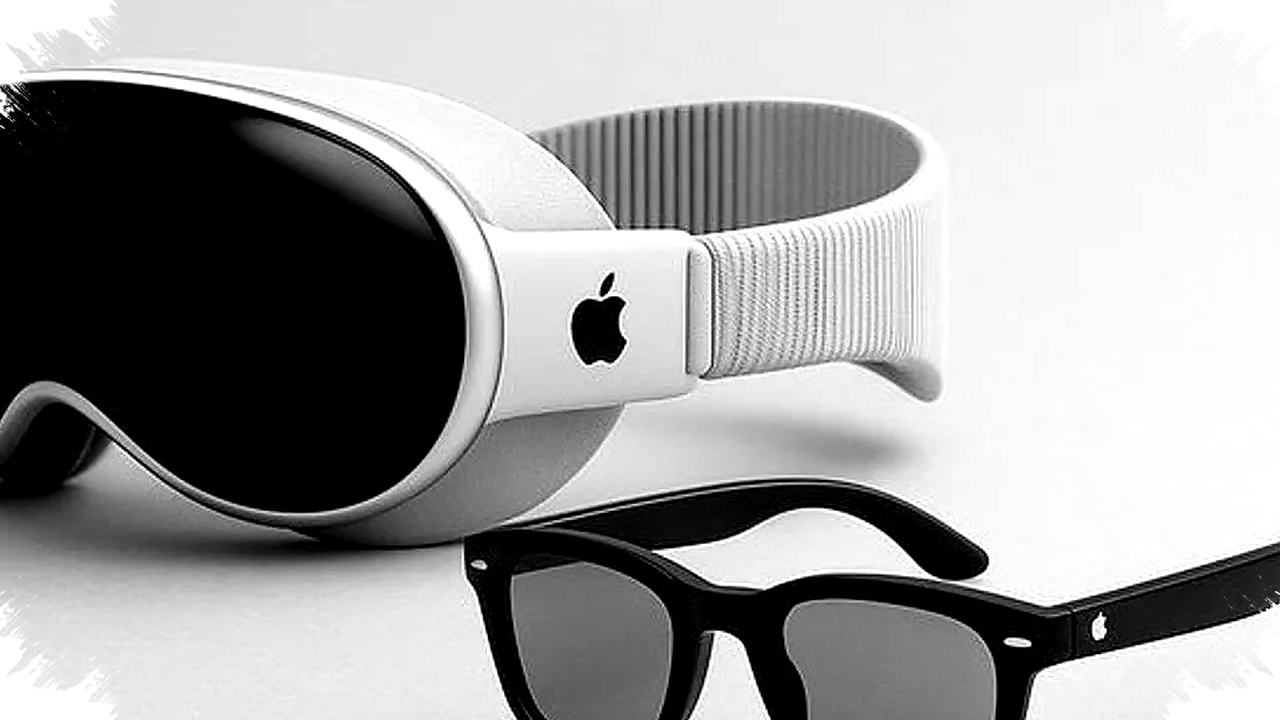
Now, the company appears ready to extend that identity into wearables. The reported smart glasses are expected to include a camera, microphone, and speaker built directly into the frame, which would make the device more than just a fashion accessory. The goal is to create a hands-free product that can capture information, respond to commands, and connect with digital services in real time.
The glasses are also said to work in tandem with a user’s phone and cloud services. That connection could allow AI features to process commands instantly, enabling practical use cases such as navigation, communication, and quick access to information without repeatedly reaching for a handset.
Why smart glasses matter now
Smart glasses are no longer a speculative category. They are becoming one of the most closely watched segments in the wearable market because they combine portability, artificial intelligence, and real-world utility in a single device.
Big tech companies are already shaping the category. Meta has launched several generations of smart glasses aimed at mainstream consumers, while Apple and Google are also widely seen as preparing their own entries. That means Nothing is not entering an empty market, but one where product timing, software integration, battery life, and comfort will matter just as much as hardware design.
A wearable device succeeds only when it feels natural enough for daily use. For smart glasses, that includes clear audio, reliable camera performance, responsive AI functions, and enough battery life to stay useful outside short demo sessions.
AI earbuds could be the first step
Before the smart glasses arrive, Nothing is reportedly planning to launch AI-enabled earbuds this year. That device could serve as an easier entry point into the company’s wider AI strategy because earbuds already fit naturally into mobile routines.
- They are private and always near the user.
- They can deliver AI responses through voice without requiring a screen.
- They can act as an audio interface for phone-based and cloud-based services.
- They are easier to adopt than a new wearable form factor like smart glasses.
AI earbuds also give Nothing a chance to refine its software experience before expanding into a more complex category. If the company can make voice interaction feel fast and reliable in earbuds, that know-how could later support the smart glasses platform.
Carl Pei is changing direction
The reported product plan also shows a notable shift in thinking from Nothing CEO and founder Carl Pei. He had previously expressed limited interest in smart glasses, but the rapid growth of AI and wearable technology appears to have changed that outlook.
That reversal matters because it suggests Nothing is responding to broader market momentum rather than pursuing wearables as a side project. In the current tech cycle, companies are rushing to connect hardware with AI services, and the consumer expectation is shifting toward devices that can do more than just play media or take calls.
Pei has often positioned Nothing as a company that tries to move differently from larger rivals. In this case, that difference may come from timing and product focus, not just industrial design. If Nothing can offer a wearable that feels distinct, the company could carve out niche demand even against much larger competitors.
A small company with bigger ambitions
Nothing still faces a structural challenge. Its market share in smartphones remains small, which limits its leverage against established players with deeper distribution, broader ecosystems, and larger research budgets.
But the company is not relying on hardware alone. It has also been investing more seriously in software and AI tools. The reference article notes that Nothing has released an AI-based tool that lets users create basic apps through short prompts, a sign that the company is trying to build an ecosystem where devices and software work together more tightly.
That strategy matters because wearable success depends on more than industrial design. Consumers now expect seamless integration across devices, apps, and cloud services, especially when AI is involved. A product that looks good but lacks a strong software layer can struggle to keep users engaged.
Nothing’s ability to combine hardware design with AI-driven utility may become its main differentiator. If that combination works, the company could shift from being seen as a stylish challenger brand to being viewed as a serious ecosystem player.
The funding gives Nothing room to move
Nothing has also secured meaningful financial backing. The company reportedly reached unicorn status after raising $200 million, giving it a valuation of around $1.3 billion. That funding level gives Nothing more room to invest in product development, AI features, and manufacturing for new categories.
For a young company, that valuation is important not only as a financial milestone but also as a signal of investor confidence. Wearable devices are expensive to build and difficult to scale, especially when the product category is still taking shape. Access to capital helps Nothing take the kind of long-term risks that smaller hardware brands often cannot afford.
What will determine success in wearables
For Nothing, the next phase will depend on execution rather than headlines. Smart glasses and AI earbuds may generate attention, but the real test will come when consumers compare them with products from Meta, Apple, and Google.
The company will need to deliver believable advantages in at least a few core areas, including:
- Design that feels distinct but practical.
- AI features that save time rather than add complexity.
- Strong connectivity with phones and cloud services.
- Competitive battery life and comfort for daily use.
- A software ecosystem that improves over time.
If Nothing can balance those requirements, it may find an audience among users who want something lighter, smarter, and more stylistically different from mainstream wearables.
The coming year could be an important one for the company as it tries to prove that its ambitions go beyond being a stylish smartphone brand. With AI becoming central to the next wave of consumer devices, Nothing’s smart glasses and earbuds may become the products that define whether it can truly compete in the wearable market now dominated by the industry’s biggest names.