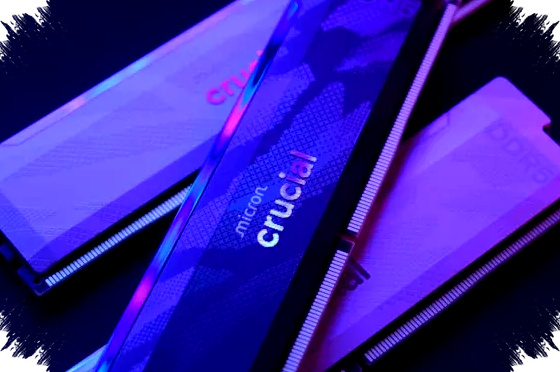
The sharp drop in DDR5 RAM prices in China is becoming one of the clearest signs that the memory market is moving into a new phase. For PC builders, the shift matters because DDR5 has been one of the most expensive upgrades in the past few years, and now that cost barrier is easing faster than many expected.
Recent retail reports from China show DDR5 prices falling by as much as 30%, a drop large enough to change buying decisions for gamers, creators, and system integrators. In some cases, 32GB kits that were priced around 3,000 yuan are now closer to 2,700 yuan, while 16GB modules that once reached 1,000 yuan have fallen to about 700 yuan.
Why DDR5 Prices Are Falling So Fast
The price decline is not coming from one single trigger, and that is important to understand. Market observers point to weaker demand, higher inventory levels, and broader pressure across the semiconductor supply chain.
When demand slows after a strong buying cycle, distributors often end up holding too much stock. To clear inventory, they cut prices, and that creates a ripple effect across retail channels.
This pattern is especially visible in memory products because DRAM pricing tends to move quickly when supply and demand shift. DDR5, which launched with premium pricing, is now facing a much more competitive market environment.
Analysts also note that the memory industry is reacting to larger technology shifts. New AI-related tools, more efficient software, and changing hardware demand can all influence buying behavior, even if the impact is indirect.
The China Market Matters More Than It Seems
China is one of the most important memory markets in the world, so a sharp price change there can influence sentiment far beyond its borders. When Chinese retailers and distributors lower prices aggressively, global suppliers often have to watch carefully to avoid excess inventory elsewhere.
That is one reason the latest DDR5 drop has attracted attention from both consumers and investors. A major price correction in China can signal that the broader market is entering a softer phase, especially for components tied to personal computers and server upgrades.
Here is a simple view of the current trend:
| DDR5 Kit | Previous Price | Reported New Price | Approx. Drop |
|---|---|---|---|
| 32GB | $420 | $378 | About 10% |
| 16GB | $140 | $98 | About 30% |
The yuan-based figures in the source article were converted into U.S. dollars using a rounded market rate for readability. The exact retail price can still vary by brand, speed, and seller.
What This Means for PC Builders
For consumers planning to build or upgrade a PC, lower DDR5 prices are a practical advantage. Memory used to be one of the most frustrating parts of a new build because prices stayed high even when other components became more affordable.
Now, the situation looks more favorable for buyers who have been waiting for a better entry point. A lower RAM cost can reduce the total price of a build, especially for users who want 32GB or more for gaming, editing, or AI-assisted workflows.
That said, timing still matters, and the market may not have fully settled yet. If inventories remain high, prices could soften further before stabilizing.
Before buying, shoppers should watch these four factors:
- DDR5 price trends across multiple retailers.
- CPU and motherboard bundle pricing.
- Whether the kit uses standard latency or premium high-speed specs.
- Future sales events that may push prices down again.
Is This a Sign of a Broader Tech Recovery?
A falling component price does not automatically mean the technology sector is recovering. In fact, sharp declines can sometimes reflect caution rather than growth, especially when suppliers are trying to move excess stock.
Still, there is another side to the story. Lower prices can revive consumer interest and stimulate demand, which may help the market rebalance over time. When buyers return, suppliers can reduce discounts and restore healthier margins.
Some market watchers also see the correction as part of a normal cycle. Memory chips often move through phases of scarcity, high pricing, oversupply, and then adjustment.
That cycle is not unusual, but the speed of the current drop has caught attention. DDR5 was expected to remain expensive longer, yet the market is already showing signs of faster normalization.
How the Memory Industry Is Feeling the Pressure
The fall in DDR5 pricing has also raised questions about pressure on major memory makers. Companies such as SK hynix, Micron, and Samsung remain central players in the DRAM market, and any broad shift in pricing can affect revenue expectations.
When investors see prices drop quickly, they often worry about margins, future shipments, and the possibility of weaker earnings. That is why memory stocks can react sharply even when end users welcome lower prices.
At the same time, lower retail prices are not always bad news for the industry. If cheaper RAM pushes more users to upgrade, total unit sales can rise and help offset weaker per-unit pricing.
What Buyers Should Expect Next
The most likely short-term scenario is continued price competition, especially if distributors still need to clear inventory. In that case, DDR5 could become even more accessible to mainstream buyers over the next few weeks or months.
However, supply-chain conditions can change quickly, and memory pricing is rarely stable for long. A sudden pickup in demand from PC OEMs, AI server builders, or enterprise buyers could slow the decline.
For now, the key takeaway is simple: DDR5 is no longer locked at the premium levels many shoppers saw when it first became the new standard. That shift makes this period unusually attractive for anyone planning a new build, but careful buyers will still compare prices before making a final decision.
As the market continues to correct, China will remain one of the best places to watch for early signs of where DDR5 pricing goes next, and whether this drop becomes a temporary discount wave or the start of a broader recovery in the tech hardware cycle.