


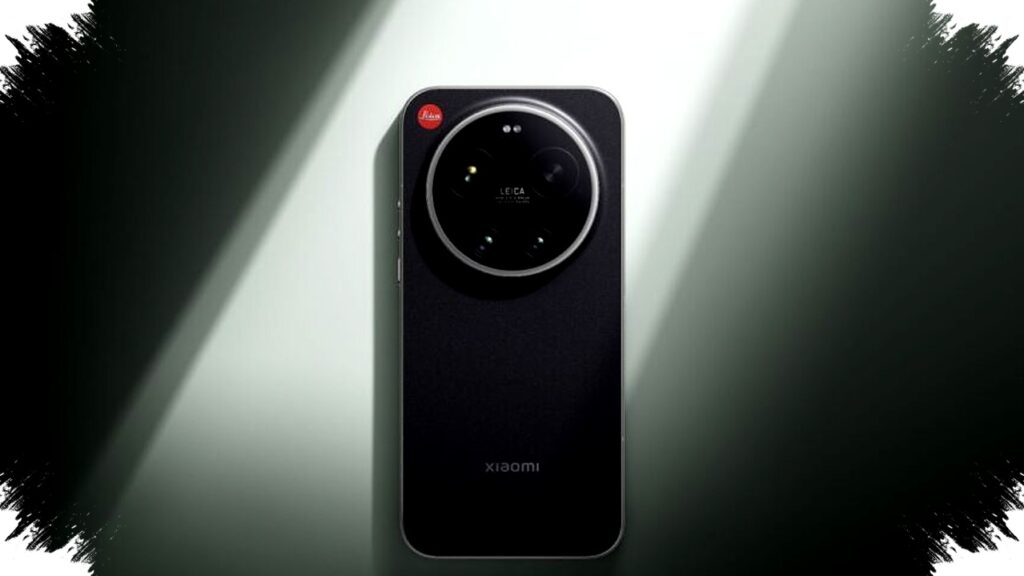
At the start of April 2026, smartphone prices in Indonesia are moving upward again, and Xiaomi and Samsung are among the brands making the biggest adjustments. The change affects a wide range of models, from entry-level phones to mid-range devices, with some prices rising by about $6 to more than $60 depending on the model and storage variant.
For consumers, the timing matters because both brands dominate different parts of the Indonesian market. Samsung remains strong in the mainstream Android segment, while Xiaomi continues to attract buyers who want aggressive specs at competitive prices.
Why prices are going up
Industry watchers point to higher global production costs as the main trigger. The pressure is strongest on key components such as chipsets, DRAM, and NAND flash memory, which have become more expensive as demand from the AI industry grows.
That situation has started to flow into retail pricing. In practice, manufacturers and distributors often need to adjust launch prices to protect margins, especially when component costs rise faster than expected.
A report from Selular on April 6 noted that the increase is not limited to one category. It covers budget phones, 5G models, and premium mid-range devices, which suggests the adjustment is broad rather than isolated.
Samsung price changes in early April
Samsung has updated prices across its Galaxy A series lineup. The increases are visible in several variants, while one model remains unchanged.
- Galaxy A07 4/64 GB: about $99, up from about $87
- Galaxy A07 4/128 GB: about $117, up from about $105
- Galaxy A07 6/128 GB: about $135, up from about $123
- Galaxy A07 8/256 GB: about $159, up from about $147
- Galaxy A07 5G 6/128 GB: about $171, unchanged
- Galaxy A17 8/128 GB: about $216, up from about $192
- Galaxy A17 8/256 GB: about $246, up from about $216
- Galaxy A17 5G 8/256 GB: about $277, up from about $234
- Galaxy A26 5G 8/256 GB: about $308, up from about $264
- Galaxy A36 5G 8/256 GB: about $352, up from about $327
- Galaxy A36 5G 12/256 GB: about $395, up from about $358
- Galaxy A56 5G 8/256 GB: about $413, up from about $388
- Galaxy A56 5G 12/256 GB: about $444, up from about $419
The Galaxy A07 series shows how even Samsung’s most affordable models are not fully insulated from cost pressure. In contrast, the Galaxy A07 5G keeps its price stable, which may point to different inventory levels or promotional pricing.
The A17, A26, A36, and A56 models all move higher, and the size of the increase becomes more noticeable in the upper-mid-range category. For buyers comparing Android phones in the $200 to $450 range, these changes could influence the timing of purchases.
Xiaomi, Redmi, and Poco also adjust
Xiaomi’s price moves follow a similar pattern, with increases spread across its own models and its Redmi and Poco sub-brands. The most visible jump appears in the Poco C85 family.
- Xiaomi 15T 12/256 GB: about $456, up from about $396
- Xiaomi 15T 12/512 GB: about $487, up from about $457
- Xiaomi 15T Pro 12/512 GB: about $640, up from about $609
- Redmi A5 4/128 GB: about $97, up from about $86
- Redmi 15C 6/128 GB: about $125, up from about $110
- Redmi 15C 8/256 GB: about $137, up from about $122
- Redmi 15 8/128 GB: about $152, up from about $140
- Redmi 15 8/256 GB: about $164, up from about $152
- Poco C85 6/128 GB: about $120, up from about $94
- Poco C85 8/256 GB: about $132, up from about $103
- Poco M7 8/256 GB: about $163, up from about $153
The Poco C85 increase stands out because it is larger than many of the other revisions in this list. That matters for shoppers who target the sub-$150 segment, where even a small move can affect buying decisions.
Xiaomi’s premium push also remains visible in the 15T series. The 15T Pro crosses the $600 mark, putting it in a more competitive zone against premium mid-range Android phones from other brands.
What this means for buyers in Indonesia
The early-April pricing update shows that the two biggest forces in Indonesia’s smartphone market are facing the same cost environment. When both Samsung and Xiaomi move prices at roughly the same time, the market usually feels the effect quickly across online marketplaces and retail channels.
Consumers who want lower prices may need to watch for bundle promotions, cashback offers, or short-term sales. In Indonesia, official stores often use these tactics to keep demand moving even when list prices rise.
For entry-level buyers, the most important question is value. A phone that used to sit comfortably below $100 may now edge closer to a higher bracket, while mid-range models can drift into premium territory without offering a major jump in features.
Models most affected by the increases
Among Samsung devices, the biggest visible price jumps appear on the Galaxy A17 5G and the Galaxy A26 5G. Both move upward enough to change where they sit in the value ladder.
Among Xiaomi phones, the Poco C85 variants show the sharpest rise, especially the 6/128 GB and 8/256 GB versions. The Redmi 15C and Xiaomi 15T also reflect the broader market adjustment, though with smaller increases than the Poco C85.
This pattern suggests that brands are not applying a flat increase. Instead, they are likely adjusting prices based on model positioning, component mix, and stock conditions in each segment.
Early April buying guide for shoppers
If you are planning to buy a new phone this month, a few practical points matter more than ever.
- Compare official store prices with marketplace listings before buying.
- Watch for limited-time vouchers or bundling deals that can offset the increase.
- Check whether a 5G variant is actually worth the higher price in your usage pattern.
- Consider last month’s stock if retailers still carry older pricing.
- Focus on storage and RAM variants, because some jumps are larger than others.
Price changes like these usually do not hit all channels at the same pace, so the best deal may still appear if buyers move carefully. For now, Samsung and Xiaomi both show that even the most familiar smartphone brands in Indonesia are adjusting to a more expensive hardware market as April begins.