


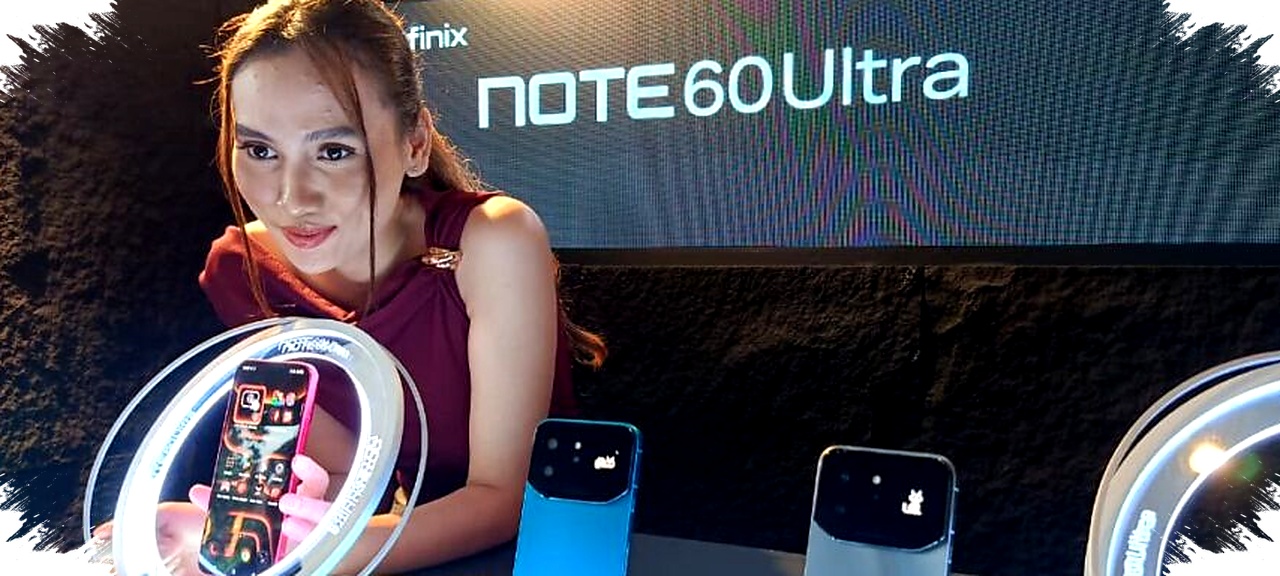
Infinix is making a deliberate move upmarket in Indonesia, and the shift is already visible in its 2026 product line. The company, part of Transsion, is now pushing smartphones that sit in the mid-to-premium range, including models priced above $300 and even above $600.
This is a clear break from Infinix’s earlier positioning, when the brand was better known for entry-level and mid-range phones. Instead of competing only on low prices, Infinix now wants to build a stronger premium image while still keeping the brand familiar to its core users.
A sharper role inside Transsion
Transsion appears to be assigning different market roles to each of its smartphone brands in Indonesia. Infinix is being directed toward the mid-to-upper segments, while Tecno and Itel are expected to stay focused on the lower and lower-middle tiers.
That separation matters because it reduces direct overlap inside the same corporate group. It also allows Transsion to cover more price segments without making its brands compete too aggressively with one another.
For consumers, the strategy means Infinix is no longer just a budget challenger. It is now being shaped as a brand that can compete with more established players in a higher class of devices.
The new pricing direction
The most visible sign of this shift is the launch of the Infinix Note 60 Pro, which starts at Rp5,499,000, or around $340. The company is also preparing the Infinix Note 60 Ultra for the Indonesian market in April 2026.
At its global debut at Mobile World Congress in Barcelona, the Note 60 Ultra was priced at $760, which equals about Rp12.8 million. That price point places it firmly in premium territory, far above the range where Infinix built most of its early reputation.
Here is a simple view of the recent positioning shift:
| Model | Market position | Launch price |
|---|---|---|
| Infinix Note 60 Pro | Upper mid-range | $340 |
| Infinix Note 60 Ultra | Premium | $760 |
This is not a small adjustment in price strategy. It signals that Infinix wants to move from being perceived as a value-first brand to becoming a credible option in a higher-end category.
Why Infinix is taking this risk
Product Marketing Manager Infinix Indonesia Jordan said the move is a challenge, but the company still sees room to grow. “Yes, this is a challenge for us and Infinix remains optimistic to compete in the mid-to-upper product segment,” he told Selular on March 6, 2026.
That confidence rests on several assets that Infinix has already built in Indonesia. The brand has strong awareness, a loyal user base, and a large community that already trusts its products.
Those factors matter because premium buyers often look for more than hardware specifications. They also consider brand reputation, after-sales support, design, ecosystem, and long-term value.
Design becomes a key differentiator
One of the clearest examples of Infinix’s premium ambition is the Note 60 Ultra. The device was designed by Pininfarina, the legendary Italian automotive design house known for shaping Ferrari and other supercars.
That collaboration is important because it changes how the product is perceived. Instead of selling only specifications, Infinix is using design pedigree to create emotional value and stand out in a crowded market.
Premium smartphone buyers are often drawn to distinctive materials, refined finishes, and a design story they can identify with. Infinix seems to understand that a higher price needs a stronger reason, and design can provide part of that rationale.
A broader market strategy, not just one phone
Infinix’s move into the $300-plus and $700-plus range likely reflects a longer-term brand strategy. The company is not only selling a single flagship-style device. It is building a ladder of products that can gradually push the brand upward in public perception.
That approach usually works in three stages:
- Introduce higher-spec models to reset brand perception.
- Use premium design and features to justify the price jump.
- Keep lower price models available so the brand does not lose its core audience.
This is especially relevant in Indonesia, where smartphone buyers are highly price sensitive but still responsive to premium features when the value feels clear. If Infinix can balance both sides, it may expand its audience without abandoning its existing fan base.
Why the Indonesian market matters
Indonesia is one of the most competitive smartphone markets in Southeast Asia. Brands must fight on price, design, performance, and marketing visibility, often at the same time.
In that environment, a brand like Infinix can benefit from being flexible. It can still serve mainstream buyers while testing whether premium products can generate stronger margins and a more elevated image.
Jordan’s remarks suggest that Infinix believes its brand equity in Indonesia is already strong enough to support that move. Community trust can be a powerful advantage when a brand asks customers to pay more for a device that looks and feels different from its older models.
What this means for buyers
For consumers, Infinix’s new strategy may create more choice in the market. Buyers who once saw the brand only as a low-cost option may now find it competing in a class with more advanced features and more ambitious design.
At the same time, the brand will face tougher scrutiny. High-price phones must prove themselves in performance, camera quality, software experience, and durability, not just in appearance or name recognition.
The next few months will show whether Infinix can keep its value-driven reputation while convincing buyers that it can also deliver a premium experience. The launch of the Note 60 Ultra in Indonesia will be a key test of how far the brand can climb without losing the identity that helped it grow in the first place.