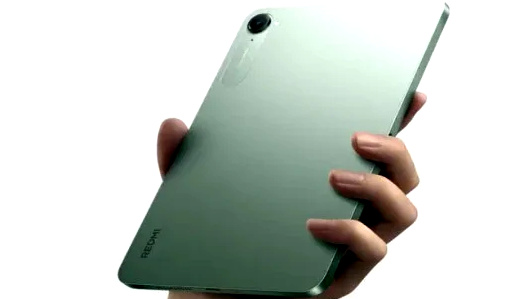
Xiaomi is reportedly preparing a new wave of upper-tier Redmi devices, and the headline product appears to be the Redmi K90 Ultra. Early leaks also point to two additional launches in the same window: a new Redmi tablet and fresh Redmi laptops, signaling a broader hardware push from the company in China.
The timing matters because Xiaomi often uses its Redmi lineup to test premium features at more aggressive price points, and the latest rumors suggest the company wants to do that across multiple categories at once. If the reports hold true, buyers could see a smartphone built for performance, a gaming-friendly tablet, and new Windows laptops arrive in a coordinated release.
Redmi K90 Ultra: the main device in the leak cycle


The Redmi K90 Ultra is being described as the successor to the previous K-series model, although Xiaomi has not confirmed its existence yet. According to the circulating reports, the phone could launch soon in China and may use MediaTek’s Dimensity 9500 chip built on a 3nm process.
That chipset choice would place the device in the high-performance segment, especially if Xiaomi pairs it with a large battery and a high-refresh display. The leaked specs suggest Xiaomi is aiming to build a device that can handle gaming, multitasking, and long daily use without forcing users to compromise on battery life.
The rumored display is a 6.8-inch AMOLED panel with 1.5K resolution and a refresh rate of up to 165Hz. If accurate, that combination would give the K90 Ultra a clear advantage for smooth motion in games, scrolling, and video playback.
Key rumored Redmi K90 Ultra specs
- 6.8-inch AMOLED display
- 1.5K resolution
- Up to 165Hz refresh rate
- MediaTek Dimensity 9500 chipset
- 8,500mAh battery
- 100W fast charging
- IP68 water and dust resistance
The battery size is one of the most notable details. A reported 8,500mAh cell would put the K90 Ultra among the larger-battery flagship-style phones in the market, while 100W fast charging should help offset the longer charging time usually associated with higher-capacity batteries.
The IP68 rating also stands out because it suggests a stronger durability focus. This certification means the device would be protected against dust and immersion in water under specified conditions, which is an important feature for premium buyers.
A tablet aimed at entertainment and gaming
Xiaomi’s next tablet, reportedly called the Redmi K Pad 2, appears designed for users who want a compact but powerful device. The leaks describe an 8.8-inch LCD display with 3K resolution and a 165Hz refresh rate, which would make it appealing for streaming, browsing, and mobile gaming.
The size is also significant because it places the tablet in a more portable category than many larger Android tablets. That could help Xiaomi target users who want a device that feels closer to a handheld entertainment screen but still offers enough display space for productivity.
A 9,000mAh battery is also rumored for the tablet, which would support longer usage sessions and make it easier to use for travel or extended media playback. The reports further mention dual X-axis motors for vibration feedback, a feature often used to improve tactile response in games.
Audio also seems to be part of the selling point. The tablet is said to include stereo speakers tuned in collaboration with Bose, a detail that could help Xiaomi position it as a premium media device rather than just another midrange Android tablet.
What the Redmi K Pad 2 could offer
- 8.8-inch LCD panel
- 3K resolution
- 165Hz refresh rate
- 9,000mAh battery
- Dual X-axis vibration motors
- Stereo speakers co-developed with Bose
This combination would make the K Pad 2 especially interesting for users who want strong multimedia performance in a smaller body. The high refresh rate and large battery also suggest Xiaomi wants this tablet to compete in the gaming and entertainment space, where responsiveness and endurance often matter more than raw design changes.
New Redmi laptops are also on the way
Xiaomi is not stopping at phones and tablets. The same set of reports says the company is preparing new Redmi laptops in 14-inch and 16-inch versions, which would likely continue the Redmi Book Pro direction already known in Xiaomi’s PC lineup.
The higher-end configuration is said to use Intel Core Ultra X7 358H, with as much as 32GB of RAM and 1TB of storage. A more affordable model may arrive with Intel Core Ultra 5, giving Xiaomi a broader pricing spread across the lineup.
If these details are accurate, Xiaomi is clearly trying to refresh its ecosystem hardware in one go. That strategy can help the company create better cross-device appeal, especially for users who already rely on Xiaomi phones, tablets, and laptops within the same ecosystem.
Rumored Redmi laptop options
| Size | Processor | Memory | Storage |
|---|---|---|---|
| 14-inch | Intel Core Ultra X7 358H or Core Ultra 5 | Up to 32GB | Up to 1TB |
| 16-inch | Intel Core Ultra X7 358H or Core Ultra 5 | Up to 32GB | Up to 1TB |
The use of Intel’s Core Ultra platform suggests Xiaomi wants these laptops to compete not only on pricing but also on efficiency and everyday performance. That matters in a market where battery life, integrated AI features, and portability are becoming increasingly important to buyers.
Why this rumored launch matters for Xiaomi
The interesting part of this report is not just the individual products, but the timing of all three together. Launching a flagship phone, a premium compact tablet, and updated laptops in the same period would let Xiaomi present a more complete product story around the Redmi brand.
That approach would also fit a familiar pattern in the consumer electronics market, where companies try to build momentum by releasing multiple devices that share a design language or performance theme. For Xiaomi, this could strengthen the perception that Redmi is no longer limited to budget hardware, but is evolving into a more flexible label that covers premium performance across categories.
For consumers, the main question will be whether the final products match the leaked specifications and how Xiaomi prices them. A strong battery, fast refresh rates, and high-end chips can make a major difference, but regional availability and official pricing often decide how competitive these devices become.
For now, all eyes remain on Xiaomi’s next move in China, where the Redmi K90 Ultra, Redmi K Pad 2, and the new Redmi Book models could appear as part of a larger push to refresh the brand’s performance-focused lineup.