


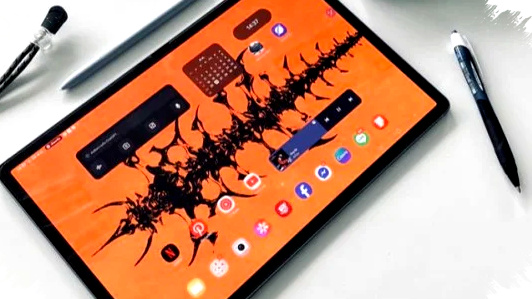
The sub-$200 tablet segment in 2026 is no longer a compromise zone for basic entertainment only. Buyers now get sharper 2.5K displays, bigger batteries, and faster chips that can handle school tasks, streaming, note-taking, and light multitasking with far less frustration than before.
That shift matters because more people now want a tablet that can replace a laptop for casual work without crossing into premium price tiers. Based on the latest market options, three models stand out as strong picks for anyone looking for the best budget tablet around the $150 to $200 range: Xiaomi Redmi Pad 2, Huawei MatePad SE 11, and Motorola Moto Tab G60 Neo.
Why this segment is getting more competitive
The biggest reason the budget tablet market looks stronger in 2026 is simple demand. Students, remote workers, and casual users want a bigger screen than a phone, but they do not want to pay flagship prices for features they will rarely use.
Manufacturers have responded by packing better displays, larger batteries, and more capable chipsets into devices that used to settle for basic HD panels and modest endurance. In this price bracket, the difference between a forgettable tablet and a genuinely useful one often comes down to screen quality, battery life, speaker setup, and software support.
1. Xiaomi Redmi Pad 2
The Redmi Pad 2 is one of the most balanced choices in the category because it focuses on the two things many users notice first: display quality and battery life. Xiaomi equips it with a 2.5K display and a 90 Hz refresh rate, which gives it a much sharper and smoother feel than many low-cost tablets that still ship with older panels.
Its Helio G100 Ultra chipset, paired with HyperOS 2, helps it stay responsive during everyday use. That includes browsing, video playback, classroom apps, note-taking, and switching between several light apps without slowing down too much.
Battery life is another major selling point, with a 9,000 mAh cell that is advertised as lasting through a full day of use. The tablet comes in Wi-Fi only 4GB/128GB and 4G LTE 6GB/128GB variants, with pricing starting around $140 and climbing to about $190 depending on configuration and market availability.
A useful touch is the WTO feature, which helps the screen remain responsive even with damp hands. One thing buyers should note is that the stylus is sold separately, so users who want pen input should factor in extra cost.
2. Huawei MatePad SE 11
Huawei’s MatePad SE 11 takes a different approach by emphasizing build quality, display comfort, and audio. At just 6.9 mm thick, it feels slim and more premium than its entry-level pricing suggests, while the 11-inch IPS panel delivers 100% sRGB color accuracy for cleaner visuals.
That makes it a good fit for long reading sessions, streaming, and general productivity. The screen may not chase the most aggressive specs on paper, but its color accuracy and overall tuning make it appealing for users who care about a comfortable viewing experience.
The audio system is one of the tablet’s strongest points. Huawei includes four speakers with Histen 9.0 tuning, and that setup gives it a fuller sound than many competitors in the same price class.
Pricing sits around $140 for the 4GB/128GB model and about $170 for the 6GB/128GB version, while the 7,700 mAh battery should comfortably support daily use. The main caveat is Google services, since users may need to rely on AppGallery or third-party workarounds depending on their app needs.
3. Motorola Moto Tab G60 Neo
The Moto Tab G60 Neo is the best option for buyers who want the most complete package out of the box. It uses a 2.5K display with a 90 Hz refresh rate, so visuals look sharp and smooth for reading, streaming, and casual gaming.
Its 6.9 mm metal body gives it a premium feel, while the Dimensity 6300 chipset and UFS 2.2 storage create a more modern performance foundation. That is especially important for users who want faster app launches and better overall system fluidity during long-term use.
Motorola also makes this model more attractive through its software promise. It ships with Android 15 and is promised updates up to Android 17, which is a notable advantage in a segment where software support is often short or unclear.
The box contents are also unusually generous. Buyers get a stylus, four speakers with Dolby Atmos, and even a 3.5 mm headphone jack, all included at a price of about $160.
Quick comparison of the three tablets
| Model | Display | Battery | Notable strengths | Estimated price |
|---|---|---|---|---|
| Xiaomi Redmi Pad 2 | 2.5K, 90 Hz | 9,000 mAh | Strong battery, smooth UI, LTE option | $140-$190 |
| Huawei MatePad SE 11 | 11-inch IPS, 100% sRGB | 7,700 mAh | Thin body, good audio, solid build | $140-$170 |
| Motorola Moto Tab G60 Neo | 2.5K, 90 Hz | Not specified in source | Stylus included, Dolby Atmos, Android 15 | About $160 |
What matters most when choosing a budget tablet
- If screen clarity is your top priority, the Redmi Pad 2 and Moto Tab G60 Neo are the strongest choices because both offer 2.5K resolution.
- If you want long battery endurance first, the Redmi Pad 2 stands out with its 9,000 mAh battery.
- If you care about speakers and media playback, the MatePad SE 11 and Moto Tab G60 Neo are both appealing for different reasons.
- If you want the best value bundle, Motorola has an edge because it includes a stylus in the box.
- If software support matters most, Motorola’s Android 15 to Android 17 update commitment looks especially attractive.
Who should buy which model
Students who need a bright screen and long battery life will likely feel most comfortable with the Redmi Pad 2. Its combination of a 2.5K panel, 90 Hz refresh rate, and 9,000 mAh battery makes it a practical all-day device for classes and entertainment.
Users who prioritize clean design and better sound during video playback may prefer the MatePad SE 11. Its four-speaker setup and slim body make it feel more polished than many tablets in this price class.
Buyers who want the most complete feature set and longer software support should look closely at the Moto Tab G60 Neo. The included stylus, Dolby Atmos speakers, and promised OS updates make it a strong all-rounder for productivity and media.
The broader message is clear: the best tablets around $150 to $200 in 2026 no longer feel like stripped-down devices. With 2.5K displays, large batteries, and more thoughtful extras, this class is now serious enough to compete for daily use, not just occasional browsing.