


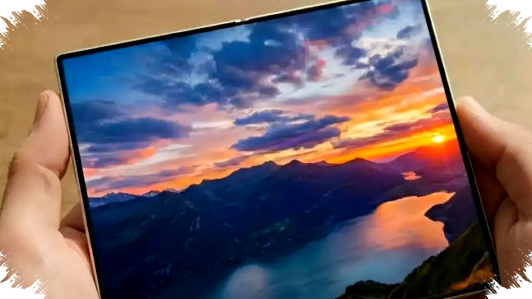
Samsung is reportedly preparing a new kind of foldable that could shift how users think about large-screen phones. The device, said to be called the Galaxy Z Wide Fold, is rumored to bring a much wider main display with a 4:3 aspect ratio, a format that feels closer to a tablet than a traditional phone.
The leak surfaced through firmware references linked to One UI 9 and a model code identified as SM-F971B. If accurate, the project suggests Samsung is not just refining its foldable line, but testing a fresh design philosophy aimed at productivity, media consumption, and more desktop-like multitasking.
A Wider Foldable Format
The most important detail in the leak is the display shape. A 4:3 ratio would make the unfolded screen noticeably wider than the tall, narrow layout used by many current foldables.
That change could have a direct impact on how people use the device every day. Two apps could sit side by side more comfortably, documents could feel less cramped, and video playback could fill the screen in a way that looks more natural.
For users who spend time reading, editing files, or switching between work apps, the benefit could be significant. The format also reduces the need for constant scrolling compared with taller displays.
Why 4:3 Matters for Foldables
The 4:3 ratio has a long history in tablets and classic computing screens. It gives more balanced space for both horizontal and vertical content, which is one reason it remains popular in certain productivity devices.
For Samsung, this shape could help the Galaxy Z Wide Fold stand apart from rivals that prioritize compactness or narrow portability. Oppo’s Find N3, for example, is known for a more squarish internal panel, while Samsung’s current Fold models still lean toward a taller profile.
A wider display could also make the phone better suited for web browsing, email, spreadsheets, and digital note-taking. That would position it closer to a pocketable workstation than a simple premium smartphone.
What the Firmware Leak Suggests
The One UI 9 firmware reference is important because it points to internal development rather than a random concept. Firmware clues often reveal product directions before an official announcement, especially when they include model identifiers.
The reported code SM-F971B indicates Samsung may be testing a separate foldable model instead of just iterating the main Galaxy Z Fold series. That would give the company a new branch in its foldable portfolio, with a different screen philosophy and likely a different target user.
According to the leak, Samsung appears to be preparing the device as a next-generation flagship rather than a niche experiment. That means the software experience may be just as important as the hardware.
Possible Software Features for the New Format
A wider foldable screen would need software that uses the extra space well. Samsung’s One UI 9 is expected to play a central role if the leak proves accurate.
- Adaptive split-screen layouts that shift based on the app in use.
- More stable floating windows for easier drag-and-drop multitasking.
- A desktop-style mode for users who want a PC-like interface.
- Better S Pen support with lower input delay for writing and sketching.
- AI-based arrangement tools that help organize multiple apps at once.
These features would matter because a wide screen alone does not guarantee a better experience. The interface must encourage users to use the extra space without making the device feel awkward or cluttered.
Almost No Visible Crease
The leak also points to a display that is “almost crease-free.” That would be a meaningful upgrade in a category where the center fold has long been one of the biggest complaints from users.
Samsung has spent years improving hinge design and Ultra Thin Glass technology across its foldable lineup. A less visible crease would improve the premium feel of the device and could also help with tasks such as reading, drawing, and watching video.
A smoother inner screen would not completely remove the physical reality of folding glass and moving parts. Still, it would bring the user experience closer to the clean panel many buyers expect from a high-end device.
Samsung’s Market Strategy Looking Broader
Launching a Galaxy Z Wide Fold as a separate product would be a strategic move. It would let Samsung test a new form factor without replacing the existing Fold line too quickly.
That approach gives the company several advantages. It can study consumer interest in a wider screen, protect current Fold users who prefer the familiar design, and build a second premium foldable identity around productivity.
This also helps Samsung compete across different user groups. Some buyers want compact portability, while others want maximum display space for work and entertainment. A wider foldable gives Samsung another way to serve the second group.
Who Could Benefit Most
The rumored device appears aimed at users who rely on multitasking and visual precision. That includes professionals, designers, traders, editors, and content creators who often need a flexible screen with more room.
A wider aspect ratio could also appeal to people who use their phone as a primary media device. Films, streaming content, and online browsing could feel less restricted than on taller foldables that still leave more unused space around the image.
For S Pen users, the format may be particularly attractive. A broader canvas generally feels more natural for writing and sketching, especially when the display can open almost flat and remain stable under the hand.
Main Challenges Samsung Still Has to Solve
The concept is promising, but it also brings practical concerns. A wider foldable may be harder to carry, especially if the folded body becomes too broad for comfortable pocket use.
It could also weigh more than current models because a larger screen usually needs a stronger structure. Pricing may rise as well, especially if Samsung uses advanced hinge components and premium materials to support the new shape.
There is also the software question. Many third-party Android apps still do not fully optimize for unusual aspect ratios, and that could affect how polished the experience feels at launch.
Challenges and Potential Impact
- Wider folded dimensions could reduce pocket friendliness.
- Added hardware complexity may increase weight.
- Premium materials may push the price above current Fold models.
- Some apps may need updates to handle a 4:3 internal display properly.
If Samsung manages those issues through partnerships with app developers and stronger optimization inside One UI 9, the Galaxy Z Wide Fold could become one of the most interesting foldables in years.
The most important takeaway from the leak is that Samsung appears ready to rethink not only how a foldable opens, but what the unfolded screen should feel like in everyday use. A 4:3 Galaxy Z Wide Fold would not just be a larger Fold model; it would be a deliberate attempt to make a smartphone feel more like a compact tablet without losing the convenience of a pocket device.