Infinix is pushing beyond its familiar budget identity in Indonesia, and the move is drawing both attention and caution from industry watchers. The brand, part of Transsion Group, is now placing more weight on the mid-to-upper smartphone segment with devices priced from around $338 to more than $620, a clear shift from its earlier focus on entry-level phones.
That transition matters because it could reshape Infinix’s role in one of Southeast Asia’s most competitive smartphone markets. It also raises a key question for 2026: whether Infinix can keep its fast-growing appeal while convincing buyers to pay more for design, features, and brand value.
A deliberate shift in Transsion’s playbook
For years, Infinix built its name on affordable smartphones that attracted cost-conscious buyers. In Indonesia, that formula worked well, with many of its earlier models landing in the $68 to $270 range and competing on price, specs, and aggressive product launches.
In 2026, that pattern has changed. Selular observed that Transsion appears to be assigning Infinix the task of moving into the mid-to-upper tier, while Tecno and Itel continue to hold the middle-lower and entry-level parts of the market.
That division is strategic because it reduces internal overlap across the Transsion portfolio. It also gives each brand a clearer identity, which is important in a market where consumers often compare products across the same parent company.
According to gadget observer Aryo Meidianto, the move is not easy, even if it is logical. He said Transsion’s earlier strength was reaching the lower and middle segments, and entering the higher bracket creates “a challenge that will not be easy” for Infinix.
The pricing signal is already visible
The clearest sign of this strategy is the price tag. Infinix has already started releasing phones in 2026 at around $338 and even above $620, a major climb from the brand’s previous pricing pattern.
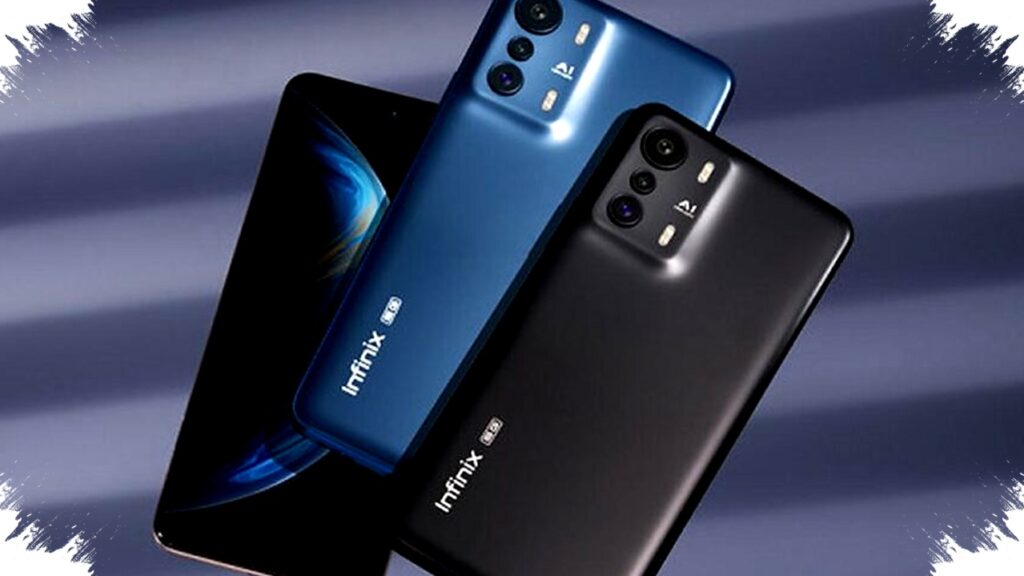
One of the headline devices is the Infinix Note 60 Pro, which launched at a starting price of about $338. The company also plans to introduce the Infinix Note 60 Ultra in Indonesia this April, extending its push into premium territory.
The Note 60 Ultra is especially notable because it was designed by Pininfarina, the Italian design house known globally for its automotive work, including collaborations with Ferrari. At its unveiling in Barcelona during MWC, the phone carried a price of $760, or around $760 in U.S. dollar terms for international positioning.
That kind of pricing sends a strong message. Infinix no longer wants to be seen only as a value brand, but as a company capable of offering design-led products that can compete on aspiration as well as hardware.
Why the opportunity is real
Infinix has several advantages as it moves upmarket. It already has strong brand recognition in Indonesia, and that matters because premium buyers still often start with trust before they compare camera systems, materials, or chipsets.
Jordan, Product Marketing Manager at Infinix Indonesia, said the company remains optimistic about competing in the mid-to-upper segment. He also pointed out that the brand already has a solid place in consumers’ minds and benefits from a large community in the country.
That community effect is not trivial. Phones in the mid-range and upper-middle class often rely on word of mouth, creator reviews, and user loyalty, especially when buyers are willing to spend more than they would on a budget model.
There is also a market opening. Omdia data cited in the report showed that Transsion Group ranked second in Indonesia’s smartphone market throughout 2025, behind Xiaomi. Samsung, Oppo, and Vivo followed in third, fourth, and fifth place, and all three are expected to fight harder for a return to the top two positions this year.
That gives Infinix room to explore a more profitable tier. If it can succeed, the brand may not only improve margins but also strengthen Transsion’s overall position against rivals that already have a stronger premium presence.
What the risks look like
The biggest risk is perception. A brand that becomes known for affordable phones can struggle when it suddenly asks buyers to pay much more, especially in a market where premium trust is built over time.
Aryo Meidianto noted that if Infinix succeeds in the higher segment, the achievement would be significant. He even suggested that such a result could help make Transsion Group a new king in the Indonesian smartphone market, but he also warned that failure could allow competitors to overtake them.
That warning reflects a common challenge in smartphone branding. Moving upmarket is not only about better hardware, because consumers also expect stronger after-sales service, polished software, consistent imaging quality, and a premium unboxing experience.
It also means Infinix must avoid confusing its existing audience. If the brand shifts too far upward too quickly, loyal buyers in the $68 to $270 range may feel left behind, while premium shoppers may still hesitate to treat Infinix as a serious alternative to Samsung, Oppo, or Vivo.
Key factors that will determine success
Product identity must stay clear.
Infinix needs phones that look and feel premium, not just phones with higher prices.Software and service must improve.
Higher-end buyers usually care more about long update support, stability, and repair experience.Ecosystem trust must grow.
Community strength helps, but it must be paired with consistent reviews and real-world performance.Rival response will be intense.
Xiaomi, Samsung, Oppo, and Vivo are unlikely to give Transsion an easy path upward.- Pricing must match the brand story.
A premium design alone will not be enough if the value gap looks weak compared with rivals.
The market test begins now
Infinix’s move into the mid-to-upper segment is one of the most interesting brand shifts in Indonesia’s smartphone market this year. It reflects the confidence of a company that believes its name, community, and distribution network are strong enough to support a higher class of devices.
At the same time, the strategy will test whether buyers are ready to accept Infinix not just as a value leader, but as a brand that can credibly compete at around $338 to $760 and beyond, where expectations are far stricter and the margin for error is much smaller.