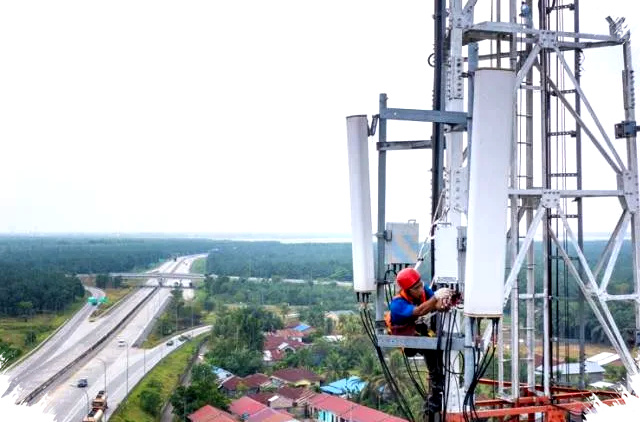
XLSmart recorded a 21% surge in data traffic during the 2026 Eid al-Fitr holiday period, reflecting the strong demand for digital connectivity as millions of Indonesians traveled for Lebaran. The company said the increase was measured during Ramadan and Eid 1447 H, from March 19 to March 29, 2026, and marked a 7% rise compared with the previous Eid period.
The spike came as holiday mobility remained high across the country, with Indonesia’s Lebaran travel volume estimated at around 140 million homebound travelers. XLSmart said its network saw the sharpest increases in areas tied to migration routes and tourism destinations, while digital entertainment, messaging, and navigation apps dominated usage patterns.
Traffic Rises Sharply Along Holiday Routes and Tourist Hubs


XLSmart’s Customer Experience and Service Operation Center reported that data consumption climbed most noticeably in mudik corridors and popular vacation areas. Among the highest national increases, Pemalang Regency in Central Java saw traffic rise by about 87%, while Dieng Plateau recorded an extraordinary 562% jump compared with normal days before Ramadan.
The company attributed the pattern to a familiar holiday behavior in Indonesia, where mobile data becomes essential for communication, entertainment, route checking, and sharing travel moments. Traffic pressure tends to build as families move between cities, spend time in transport hubs, and gather at tourist sites during the long holiday break.
Director and CTO of XLSmart, Shurish Subbramaniam, said the leap in data use was driven by stronger demand for digital entertainment, social media, and applications used throughout the trip. He noted that the company had prepared network capacity before Ramadan and optimized key mudik routes, tourist zones, and busy public centers to maintain service quality.
What Drove the 21% Increase in Data Usage
Several service categories helped push the total traffic higher, with instant messaging and browsing leading the way. XLSmart said the overall usage pattern during Ramadan and Eid was shaped by entertainment-heavy behavior and constant mobile access while traveling.
- Instant messaging rose by about 60%.
- Web browsing increased by around 37%.
- Online gaming grew by 34%.
- Social media usage climbed 30%.
- Streaming traffic rose 24%.
These figures show how holiday travel habits are increasingly tied to digital platforms. Many users rely on phones not only for communication, but also for navigation, entertainment, and real-time updates during long trips.
The strongest growth in the streaming category came from several major platforms. Disney+ Hotstar traffic surged by 133%, Netflix rose 51%, TikTok increased 28%, and YouTube advanced 18% during the Lebaran holiday period.
Messaging, Social Media, and Maps Became Daily Essentials
WhatsApp remained one of the most-used services during the holiday season, with traffic increasing by 64% as people stayed in touch with relatives and organized meetups. The rise reflects the role of instant messaging as the main channel for greetings, travel coordination, and family communication during Eid.
Social media also saw strong usage as travelers shared photos and updates from roads, rest stops, and hometown gatherings. Traffic on X grew 52%, Instagram rose 51%, and Facebook increased 18%, showing how festive mobility translated into more online posting and content consumption.
Navigation apps became another key part of holiday travel behavior. Google Maps and Waze both recorded access growth of around 48%, underscoring how heavily Indonesians depend on digital route guidance during the mudik season. That trend usually intensifies when travelers face congestion, detours, and unfamiliar routes in provincial and tourist destinations.
Why the Numbers Matter for Network Planning
The 21% increase gives a clear picture of how seasonal travel now shapes national data demand. It also highlights the pressure telco operators face during major holidays, when traffic can swing sharply in certain regions even if national averages look manageable.
For network teams, the challenge is not only expanding capacity, but also predicting where demand will concentrate. Coverage quality can be tested by sudden surges in small districts, popular hills, beaches, or transit areas that draw temporary crowds for just a few days.
The Leidbaran period is especially important because digital usage changes fast and becomes more diverse. Comparing messaging, entertainment, browsing, gaming, and navigation traffic helps operators spot which services matter most to users in real travel conditions.
Holiday Data Trends Seen in the Breakdown
XLSmart’s internal data offers a useful snapshot of how Indonesians used mobile internet during Ramadan and Eid 2026. The company’s figures suggest that the holiday period was not just about communication, but also about continuous online activity from departure to arrival.
| Service Category | Traffic Increase |
|---|---|
| Instant Messaging | 60% |
| Web Browsing | 37% |
| Online Gaming | 34% |
| Social Media | 30% |
| Streaming | 24% |
| 64% | |
| Google Maps and Waze | 48% |
| Disney+ Hotstar | 133% |
| Netflix | 51% |
| TikTok | 28% |
| YouTube | 18% |
The data also reinforces the idea that Indonesian consumers now expect stable digital access wherever they travel. That expectation has become more important as families use phones for everything from family updates to route checks and leisure browsing.
Network Readiness Became a Central Factor
XLSmart said it had increased network capacity before Ramadan and carried out optimization work along the main mudik routes, tourism areas, and public activity centers. This preparation likely helped the company absorb the traffic spike while keeping services stable during a period of intense usage.
Such readiness matters because holiday traffic is usually uneven and can rise sharply in only a few places at once. A hotspot like Dieng Plateau, for example, can generate a much higher load than surrounding areas if it becomes a popular stop during the long break.
The company’s report suggests that data demand during Lebaran is no longer driven by a single application or use case. Instead, it comes from several simultaneous habits, including messaging, video streaming, social sharing, browsing, and map use, all of which increase as people move across regions and spend more time online during the holiday season.