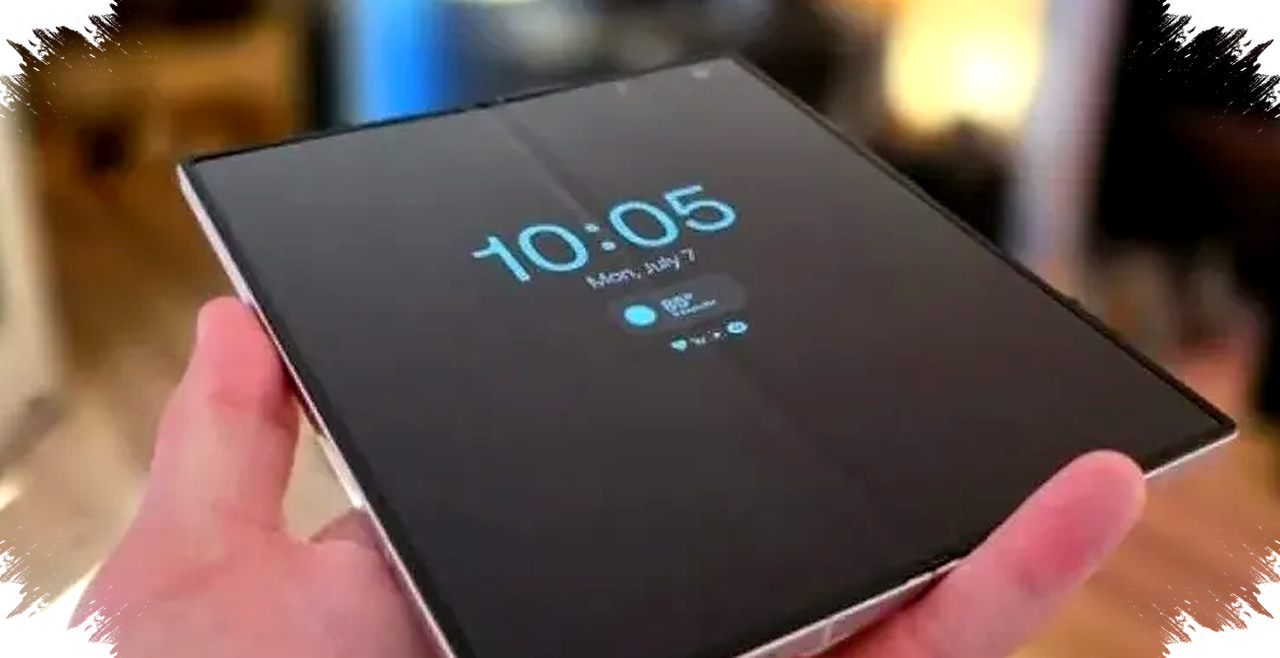
Foldable smartphones are entering 2026 with stronger hardware, better software, and wider brand support, but the market still faces a clear barrier: price. The latest trend shows that innovation is moving quickly, while broad consumer access remains limited because foldable devices still sit in the premium category.
That gap is especially visible in markets like Indonesia, where buyers remain highly sensitive to value. Even as Samsung, Huawei, and Xiaomi keep pushing thinner designs, lighter builds, and more durable hinges, many consumers still see foldables as impressive devices that are not yet easy to justify at current prices.
Premium innovation is moving faster than mass adoption
The foldable phone category has matured significantly compared with its early years. Manufacturers now focus on improving hinge strength, reducing visible screen creases, and making flexible panels more durable for long-term use.
They also continue to refine the software experience. Multitasking has become a major selling point, especially on larger foldable formats that can run multiple apps side by side and support more productive workflows.
Still, the core challenge has not changed. Foldables remain expensive to build because they rely on advanced flexible displays and precision hinge systems, two components that still drive up production costs.
That cost pressure keeps retail pricing high and prevents foldable phones from moving into the mid-range segment. As a result, adoption is still concentrated among early adopters, tech enthusiasts, and buyers willing to pay extra for novelty and premium features.
Why price remains the biggest obstacle
A foldable phone is not only a smartphone with a different shape. It is a more complex product that needs specialized materials, tighter quality control, and more expensive parts.
Flexible display panels remain one of the most costly elements in the device. The hinge mechanism also adds engineering complexity because it must survive repeated folding without damaging the screen or weakening the structure.
This makes it hard for vendors to lower prices quickly, even when competition increases. While traditional smartphones benefit from massive economies of scale, foldables are still produced in much smaller volumes, which keeps costs elevated.
The result is a market that looks exciting on paper but remains limited in practice. Many consumers may admire the technology, yet they still choose conventional phones when the price gap feels too wide.
Indonesia faces a sharper value test
In Indonesia, the price issue becomes even more important because buyers often compare features carefully before spending on a premium device. A foldable phone may offer a unique design and larger screen, but many users still ask whether those advantages are worth the extra cost.
This creates a difficult position for vendors. They need to grow awareness and demand while also convincing consumers that foldable phones offer enough practical benefit to justify the premium.
That challenge is not only about income levels. It is also about consumer expectations, after-sales support, and whether a device fits daily habits better than a standard slab phone.
If a product is too expensive and still feels niche, it struggles to become mainstream. That is why foldables in Indonesia remain a symbol of innovation, not yet a default choice for most buyers.
How vendors are trying to widen access
To expand the market, manufacturers are testing several strategies. One approach is to launch more affordable variants, even if those models still stay above the average smartphone price.
Another approach is to strengthen the ecosystem around the device. Vendors are pairing foldable phones with wearables, earbuds, and cloud services to make the overall package feel more valuable.
Promotions and financing plans also play a role. Bundled offers, installment options, and trade-in programs can reduce the upfront cost and make the purchase feel more accessible.
These tactics do not solve the structural pricing problem, but they can help more consumers move from curiosity to actual purchase. For now, they remain one of the few realistic ways to broaden the market before manufacturing costs fall further.
AI becomes a key selling point in 2026
Artificial intelligence is emerging as another major layer in the foldable story. Vendors are using AI to improve photo quality, manage apps more intelligently, and support personalized device behavior.
On larger foldable screens, AI can also enhance productivity. It helps users manage multi-window setups, switch tasks faster, and keep the interface more efficient for work and creative use.
This matters because foldables need more than just a flexible screen to stand out. They need a clear everyday advantage, and AI features can help turn the device into a tool rather than a novelty.
- Better multitasking for professionals.
- Smarter camera processing for creators.
- More personalized software behavior.
- Stronger integration across apps and services.
These features may not lower the price, but they can raise the perceived value. In a premium segment, perceived value often matters as much as technical specs.
The app ecosystem still needs work
Software support remains another critical issue. Not all third-party apps are fully optimized for foldable displays, and that limits the experience for some users.
Developers still need to adapt layouts, controls, and functionality so apps can take better advantage of flexible screens. Without that support, even a powerful foldable device can feel underused.
This is one reason the industry has not reached true mass-market adoption. Hardware progress has been strong, but the software ecosystem still needs time to catch up.
| Key factor | Current situation |
|---|---|
| Device price | Still high, especially in premium models |
| Production cost | Elevated due to flexible panels and hinge systems |
| Market access | Limited in many countries, including Indonesia |
| Innovation | Strong in design, durability, and AI features |
| App support | Improving, but not yet fully optimized |
A market in transition, not yet fully mainstream
Global demand for foldable phones continues to grow, but the segment still sits in a transition phase. It is no longer experimental, yet it has not become a truly mass-market category.
That position may change if suppliers can improve manufacturing efficiency and bring down component costs. Over time, lower production costs could allow vendors to offer more competitive pricing and reach a wider set of buyers.
For now, the foldable trend in 2026 is defined by a clear contradiction. The technology looks more ready than ever, but the market is still held back by price and access.
Brand competition will likely keep pushing design improvements, lighter bodies, and better hinge performance. At the same time, the real test will remain the same: whether foldable phones can move beyond premium appeal and become a practical option for far more consumers.
-

-

-

-