Four new phones arrived in April 2026, and the choice now comes down to two clear priorities: a balanced daily driver or a gaming-focused device with sensible pricing.
If you want a phone that feels stable across work, camera, battery, and display, Samsung’s new Galaxy A-series looks appealing, while Poco and Infinix target users who want stronger performance and bigger batteries.
The market this month is interesting because each model aims at a different type of buyer.
That makes April 2026 a good time to compare what matters most: smooth everyday use, long battery life, fast charging, camera quality, or raw gaming power.
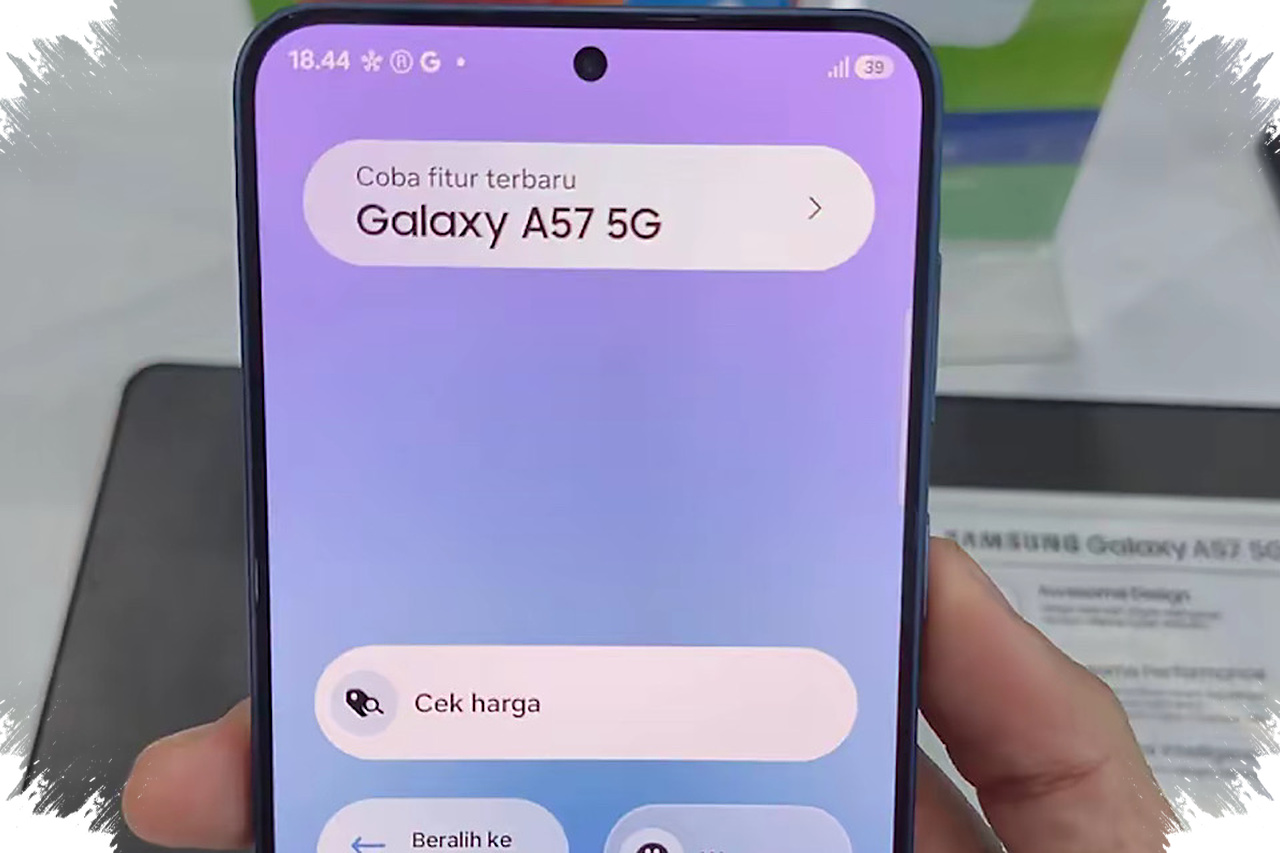
1. Samsung Galaxy A57 5G: the most balanced option


Samsung positions the Galaxy A57 5G as a mid-range phone that tries to do everything well.
It brings a 6.7-inch Super AMOLED display with a 120Hz refresh rate, an Exynos 1680 chipset, up to 12GB RAM, and a 5,000mAh battery.
For many buyers, that combination is the safest choice.
The display should feel fluid for scrolling and video, while the battery size and RAM support long use without the feeling of compromise.
The camera setup also adds value.
Samsung includes a 50MP main camera with an ultrawide lens, and the phone comes with IP68 water and dust resistance, which is still a strong selling point in the mid-range segment.
That makes the Galaxy A57 5G a practical option for users who want one phone for everything.
Compared with gaming-first models, it may not deliver the most aggressive performance, but it offers a more rounded experience that fits daily needs.
2. Samsung Galaxy A37 5G: cheaper, stable, and still familiar
The Galaxy A37 5G sits below the A57 and aims at buyers who want Samsung’s familiar experience at a lower price.
It also uses an AMOLED 120Hz display, a 5,000mAh battery, and a 50MP rear camera.
Samsung does not describe this model as a performance leader, and that is the key point.
It is meant for users who value stability, good display quality, and a reliable brand name rather than top-tier speed.
This makes the A37 5G a sensible pick for students, casual users, and anyone who mainly uses social apps, streaming, and photography.
It should handle routine tasks well, but heavy gaming and intensive multitasking are better left to stronger chips.
The appeal here is balance at a lower cost.
If the A57 feels like more than you need, the A37 gives you a simpler route into Samsung’s 2026 mid-range lineup.
3. Poco X8 Pro: built for performance and gaming
Poco takes a different path with the X8 Pro.
This phone uses the Dimensity 8200 Ultra chipset, a 1.5K AMOLED display with a 120Hz refresh rate, a 6,500mAh battery, and 100W charging.
That specification sheet clearly points to performance-first users.
The chipset, display resolution, and fast charging system all make it attractive for mobile gamers and power users who want speed without paying flagship prices.
The 6,500mAh battery is especially important.
Gaming drains power fast, so a larger battery gives the Poco X8 Pro a real advantage for long sessions, travel, and heavy media use.
Fast charging at 100W also helps reduce downtime.
For users who play often, this combination is more practical than a smaller battery with slower charging, even if the phone gives up some of the premium polish seen in Samsung models.
If your main question is whether a mid-range phone can handle gaming well, the Poco X8 Pro is the clearest answer in this group.
It is the phone that most strongly leans toward performance while still staying in a price zone that should remain reasonable for many buyers.
4. Infinix Note 60 Ultra: big battery, high refresh rate, and premium ambitions
Infinix enters this list with the Note 60 Ultra, a phone that tries to stand out through design and hardware.
It features a collaboration with Pininfarina, a 7,000mAh battery, a 144Hz AMOLED display, 100W fast charging, and a camera system led by a 200MP main sensor with OIS plus a 50MP periscope telephoto lens.
This is the most aggressive spec sheet among the four phones.
The large battery and 144Hz panel make it appealing for both gamers and heavy users, while the high-end camera arrangement suggests a more ambitious all-round package.
The 7,000mAh battery is a major differentiator.
Few mid-range phones offer that level of endurance, and it can matter a lot for users who spend long hours gaming, recording videos, or watching streamed content.
The camera system also deserves attention.
A 200MP sensor with OIS and a periscope telephoto lens gives the Note 60 Ultra a feature set that feels closer to premium territory than most phones in this price class.
Still, Infinix’s value depends on real-world tuning.
A strong spec sheet is important, but buyers will still want to see how well the software, thermal control, and camera processing perform in daily use.
Quick comparison to help you choose
- Best balanced all-rounder: Samsung Galaxy A57 5G
- Best budget-friendly stable choice: Samsung Galaxy A37 5G
- Best for gaming performance: Poco X8 Pro
- Best for battery and bold specs: Infinix Note 60 Ultra
The main difference between these four phones is not just price, but identity.
Samsung focuses on dependable balance, Poco pushes performance, and Infinix aims for a feature-heavy package that looks strong on paper and on paper alone may appeal to users who want maximum hardware for their money.
For shoppers who use their phone for messaging, work, photography, and light entertainment, the Galaxy A57 5G feels like the most complete pick.
For more casual users who want to save money without leaving the Samsung ecosystem, the Galaxy A37 5G is the safer entry point.
Meanwhile, the Poco X8 Pro is the strongest choice for gaming-focused buyers.
Its Dimensity 8200 Ultra chip, 120Hz 1.5K AMOLED panel, 6,500mAh battery, and 100W charging give it a clear performance edge in this group.
The Infinix Note 60 Ultra stands out for users who want a large battery, fast charging, and a more dramatic camera setup.
With a 7,000mAh cell and a 200MP OIS main camera, it targets people who want more than basic mid-range specifications and do not mind a brand that often competes harder on features than on prestige.