


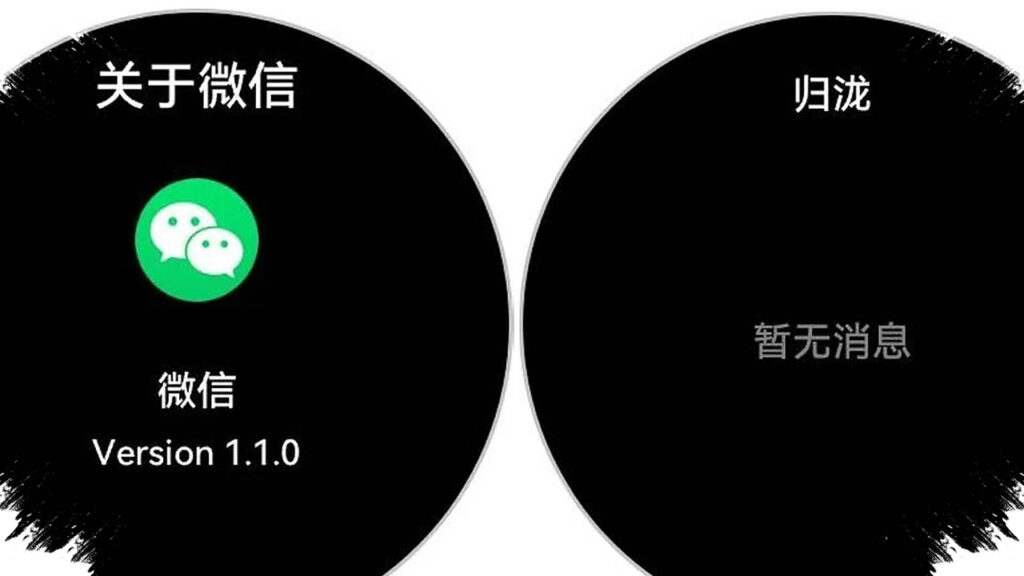
Xiaomi has confirmed a structured OTA rollout for its wearable lineup from April to September 2026, and the most attention-grabbing addition is WeChat voice-to-text support arriving in July 2026. For users who rely on Xiaomi smartwatches and fitness bands, this update could turn the wrist into a much more practical communication tool.
The feature is designed to convert WeChat voice messages into readable text directly on the watch, reducing the need to pull out a phone in meetings, while commuting, or in crowded places. Xiaomi’s approach stands out because it gives users a clear timeline, which is uncommon in the wearable market where brands often stay vague about future software features.
What WeChat Voice-to-Text Means for Xiaomi Wearable Users
WeChat is one of the most important communication platforms in China and across parts of Asia, so even a small upgrade can have a major daily impact. Voice-to-text on a smartwatch could make it easier to handle work messages, family updates, and quick replies without interrupting other tasks.
Xiaomi says the feature will roll out as part of its broader wearable update plan, and the company has linked it to newer devices in its ecosystem. Based on the roadmap shared so far, likely candidates include the Xiaomi Watch S4, Redmi Watch 5, and the Watch 2 Pro series.
For many users, the appeal is simple: faster access, less friction, and better convenience. Reading a voice message on the wrist is especially useful when speaking aloud is not practical, such as in a meeting room, on public transport, or while driving under local safety rules.
Which Devices May Get the July 2026 Update
Xiaomi’s OTA roadmap covers more than just smartwatches. The company says the April to September 2026 cycle will reach four main wearable categories, showing that it plans to support its ecosystem beyond a single product line.
- Smartwatches such as Xiaomi Watch and Redmi Watch models
- Fitness bands including Mi Band 9, Mi Band 10, and special variants
- AI Glasses from current and upcoming generations
- Audio accessories such as earbuds and wearable speaker products
The complete device list has not been published yet, but Xiaomi’s recent update patterns offer clues. Flagship devices usually get new features first, while older models tend to receive stability and security improvements later in the rollout.
That staged release model matters because it helps Xiaomi test performance before expanding availability. It also means some users may need to wait a few weeks after July 2026 before the feature reaches their watch.
Why Xiaomi’s Software Strategy Stands Out
Many smartwatch makers stop talking about a product once it ships. Xiaomi is taking a different route by naming features in advance, assigning rollout months, and tying updates to real use cases.
That strategy is important for three reasons. First, it gives users better expectations about what is coming. Second, it shows that Xiaomi is treating software support as a long-term commitment rather than a bonus. Third, it creates pressure inside the company to deliver updates on schedule.
Industry observers often note that wearable competition is no longer only about hardware. Battery life, health sensors, and display quality still matter, but software support increasingly decides whether users stay with a brand. Xiaomi appears to understand that, and its OTA roadmap reflects it clearly.
How Xiaomi’s WeChat Integration Has Evolved
Xiaomi’s WeChat support has grown step by step over the last few years, moving from basic notifications to more useful communication tools. That gradual expansion shows how the company has built its wearable software around real-world needs.
- 2023: Basic WeChat notifications reached Mi Band devices
- 2024: Full app support expanded to Watch S1 Pro and Watch S3
- Late 2025: Redmi Watch 5 gained more real-time communication features
- July 2026: Voice-to-text arrives as the next major upgrade
This progression matters because it shows a clear direction. Xiaomi is not just adding one isolated feature, but building a fuller messaging experience on the wrist.
The July 2026 release also lands at a strategic time. It arrives before the back-to-school season and the busy third quarter period, when many users upgrade devices or look for better productivity tools. A feature that solves a communication problem can easily become a reason to buy or keep a Xiaomi wearable.
How to Check Whether Your Xiaomi Watch Gets It
If you already own a Xiaomi wearable, there are a few practical steps you can take to track the update. The first place to check is the Mi Fitness app, since OTA notifications usually appear there before reaching the watch settings menu.
- Open and update the Mi Fitness app regularly
- Check for OTA notifications inside the app
- Keep your watch connected and charged before installing updates
- Expect a staged rollout, not a simultaneous release for everyone
- Be patient if the feature does not appear immediately in July
Xiaomi’s rollout model is gradual, so some devices may get the update first while others follow later. That is normal for OTA releases, especially when a company wants to avoid server overload and reduce the risk of bugs.
Battery level also matters during installation. Most OTA updates work best when the device has at least 30% to 50% charge, and it is safer to install them when the watch is not in active use.
Why This Update Matters Beyond a Single Feature
The arrival of WeChat voice-to-text on Xiaomi wearables is more than a software patch. It reflects a broader shift in the wearable industry, where users expect devices to stay useful long after the original purchase.
By publishing a clear release plan from April to September 2026, Xiaomi is making a rare public promise about long-term support. In a market where many brands stay silent after launch, that level of transparency can strengthen user trust and keep older devices relevant for longer.
For Xiaomi owners, the main question now is simple: whether their model appears in the rollout list when July 2026 arrives. If it does, the smartwatch could become significantly more useful for everyday messaging, especially for users who depend on WeChat as their main communication platform.