Google Chrome is testing a new cross-device tab handoff that opens shared tabs directly on the receiving device instead of waiting for a notification tap. The change is being evaluated across desktop, Android, and iOS for users signed into the same Google account, and it aims to make switching between phone, tablet, and computer feel faster.
The current “Send to your devices” flow already lets users push a webpage from one device to another. In the existing setup, the destination device shows a notification first, and the tab opens only after that alert is tapped.
What is changing in Chrome’s tab sharing
In the test version, Chrome removes that extra tap and lets the destination device open the tab automatically. The browser then shows a small confirmation message after the page appears, replacing the notification-first approach with a more direct handoff.
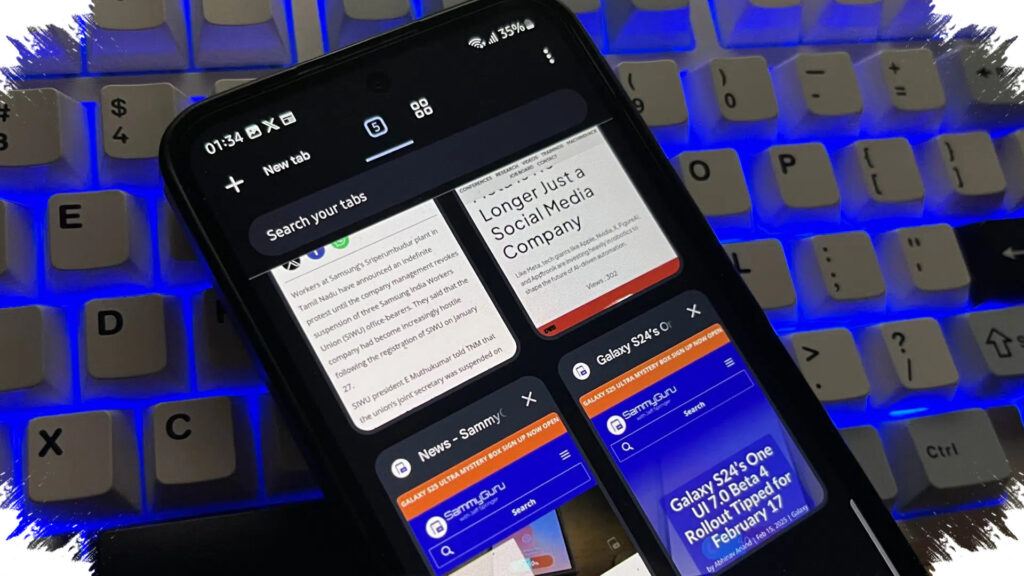
SammyGuru reported that the behavior has already been spotted in Chrome Canary, which is Google’s experimental build for testing new features. In one observed case, a tab sent from Android opened on desktop immediately, followed by a toast-style confirmation that the transfer succeeded.
Why Google may be moving away from notifications
According to code-change notes cited by SammyGuru, Google believes the old notification step creates unnecessary friction. The company described the previous flow as adding friction and said it was unnecessary because send-tab-to-self is a user-initiated action.
That distinction matters because the user still chooses the source page and the target device manually. Since the action begins with a deliberate command, Google appears to view automatic opening as a smoother extension of an intentional request rather than an intrusive background process.
This direction also fits Chrome’s broader push toward continuity across platforms. Google has been working for years to make browsing feel more seamless when people move from mobile devices to larger screens and back again.
How the enhanced handoff is said to work
The test is tied to a flag called “Send Tab To Self enhanced handoff.” Flags in Chrome are experimental settings that often expose features before they are released broadly.
Reports indicate the enhanced handoff may do more than just open a page automatically. It may also carry extra session data, including scroll position and form content, so the receiving device can resume closer to the point where the user stopped.
That could make the feature more useful than a simple link transfer. Instead of reopening a page from the top, Chrome could preserve context in a way that feels closer to continuing the same session.
Platform-specific behavior in the test
The current test does not appear to work the same way in every situation. The available details suggest that Chrome applies conditions based on platform and app state before it opens a tab automatically.
| Platform | Observed test behavior |
|---|---|
| Android | Tab can open automatically if Chrome is active in the foreground and the handoff happens within 10 minutes |
| iOS | Similar to Android, with automatic opening only when the relevant tab is visible and the transfer occurs within 10 minutes |
| Desktop | Chrome Canary has shown direct tab opening after the transfer from another device |
The time limit suggests Google wants the feature to act like a quick handoff tool rather than a delayed queue. In practice, that means Chrome only opens the tab automatically when the transfer still feels relevant to the user’s current task.
What this could mean for everyday users
For people who regularly move between devices, the change could save time during work or research. A recipe, map, article, or document reference sent from a phone could appear immediately on a laptop without an extra step.
That same convenience may not suit everyone in every scenario. Some users may prefer the control of a notification, especially if they want to decide exactly when a new tab should appear on the receiving device.
Testing in Canary gives Google room to measure those trade-offs before a wider rollout. Canary builds often help the company identify stability issues, usage patterns, and any changes needed to avoid disrupting the browsing experience.
SammyGuru said the feature could reach a broader release in the coming months, although Google has not officially confirmed a public launch date. For now, the stable version of Chrome is likely to keep the older notification-based flow while Google continues refining enhanced handoff behavior across desktop, Android, and iOS.