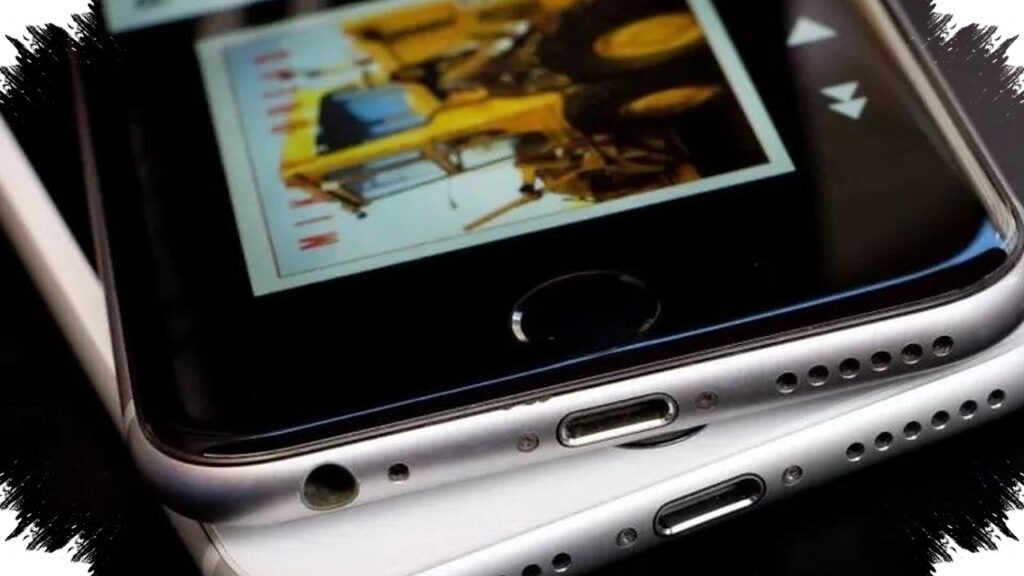
Owners of older iPhones in the United States may still be eligible for cash compensation in the long-running Apple slowdown case. The settlement followed allegations that Apple reduced performance on older devices without making the impact clear to users.
The case centers on a $500 million class-action settlement, with verified claims expected to receive about $65 each. Apple has said the software changes were meant to prevent sudden shutdowns on phones with aging batteries, not to force customers into upgrading.
What the lawsuit claimed
The dispute began after many iPhone users reported that their devices felt slower and sometimes powered off unexpectedly even when the battery was not empty. Those complaints later turned into accusations that Apple used iOS updates to quietly reduce performance on older models.
Apple acknowledged in 2018 that iOS manages performance on devices with degraded batteries. The company said the feature was designed to protect phones from abrupt shutdowns, especially when batteries were worn out or exposed to very cold temperatures.
That explanation did not satisfy many consumers. Some users argued the slowdown made older iPhones feel obsolete, creating the impression that buyers were being pushed toward newer models.
Who may qualify for payment
The settlement covers several older iPhone models used in the U.S. before December 21, 2017. Eligible devices include the iPhone 6, iPhone 6 Plus, iPhone 6s, iPhone 6s Plus, iPhone SE, iPhone 7, and iPhone 7 Plus, depending on the iOS version installed.
The covered software versions include iOS 10.2.1 or later for some models and iOS 11.2 or later for iPhone 7 and iPhone 7 Plus, as long as they were used before the cutoff date. Apple reportedly provided contact information for users who were identified as potentially eligible in the claims process.
Key details from the settlement
- Apple agreed to a settlement worth up to $500 million.
- Each approved claim is expected to pay about $65.
- The case alleged Apple slowed older iPhones without clear disclosure.
- Apple said the software was meant to prevent unexpected shutdowns.
- Roughly three million claims were reportedly recorded.
The payment amount may look modest, but the case has drawn wide attention because of its scale and the long debate over how aging batteries should affect device performance. For millions of users, the issue was less about the dollar value and more about whether they had been given enough transparency.
Why the payout was delayed
The settlement did not move forward immediately after the agreement was reached. Two iPhone owners filed appeals challenging parts of the deal, which temporarily held up distribution of the money.
Those appeals were later rejected, removing the last major legal obstacle to payments. Attorney Tyson Redenbarger, who represented iPhone customers in the case, said Apple had recorded around three million claims.
Why the case matters beyond Apple
The lawsuit became a reminder that software decisions can carry major legal and reputational risks for technology companies. When users believe performance changes are hidden or not clearly explained, even premium brands can face accusations of misleading consumers.
Apple has continued to deny any wrongdoing and maintains that the adjustments were intended to keep devices stable. The company’s position is that preventing sudden shutdowns was a battery-management measure, not an attempt to degrade the user experience.
For eligible U.S. iPhone owners, the settlement offers compensation tied to a controversy that has lingered for years. The case also shows how concerns over device performance, software updates, and disclosure can turn into large-scale consumer disputes when trust between users and manufacturers weakens.