Apple has once again tightened its grip on the global smartphone market, with iPhone models taking five of the 10 best-selling spots in the fourth quarter of 2025, according to a Counterpoint Research report cited by Gizmochina. The results show that Apple is not only selling its newest devices well, but also keeping older iPhone generations relevant long after launch.
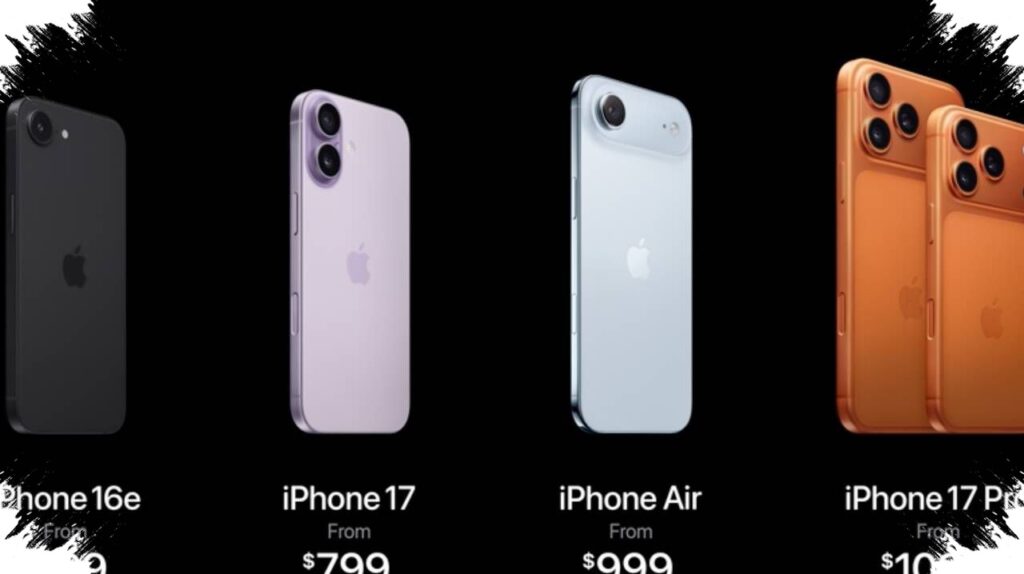
The strongest performer was the iPhone 17 Pro Max, which ranked first and accounted for about 5% of all smartphone sales worldwide in the quarter. It was followed by the iPhone 17 in second place and the iPhone 17 Pro in third, confirming that Apple’s latest lineup drove much of its holiday-quarter momentum.
Apple Dominates While Older iPhones Still Hold Their Ground
Compared with many rivals, Apple’s presence was unusually broad across the list. The iPhone 16 still secured fourth place, while the iPhone 16e entered at eighth, proving that demand for previous-generation models remained strong even after the launch of the iPhone 17 series.
That pattern matters because it shows Apple’s sales strength is not tied to one product cycle alone. Instead, the company appears to benefit from a layered portfolio where new flagship devices attract premium buyers and older models continue to appeal to consumers looking for a more affordable entry into the iPhone ecosystem.
Top 10 Best-Selling Smartphones in Q4 2025
- iPhone 17 Pro Max
- iPhone 17
- iPhone 17 Pro
- iPhone 16
- Samsung Galaxy A56
- Samsung Galaxy A36
- Samsung Galaxy A07
- iPhone 16e
- Redmi A5
- Samsung Galaxy S25
Together, these 10 models represented about 23% of global smartphone sales in the quarter. That concentration shows how a relatively small number of devices can shape the market, especially when major brands align pricing, availability, and consumer demand effectively.
What Helped the iPhone 17 Series Stand Out
The iPhone 17 lineup appears to have been the main growth driver for Apple at the end of 2025. The standard iPhone 17 gained attention for upgrades that buyers could feel in daily use, including a higher refresh rate and more RAM.
Those changes matter in a market where many users want smoother performance without paying for a Pro model. Apple also continued to lean on brand loyalty, software support, and a tightly integrated ecosystem that often keeps users within the same hardware family for years.
Samsung and Xiaomi Remain in the Race, but Behind Apple
Samsung placed four models in the top 10, led by the Galaxy A56, A36, and A07, which ranked fifth through seventh. The Galaxy S25 also made the list, but only at tenth place, indicating that Samsung’s strongest momentum in this period came from its midrange A-series rather than its flagship line.
Xiaomi appeared once through the Redmi A5 at ninth place, showing that budget-focused models still have a place in global demand. Even so, the broader picture favored Apple, which managed to spread its sales across both premium and older devices with more consistency than its rivals.
Apple’s 2025 Consistency Stood Out Across Quarters
Counterpoint also noted that the iPhone 16 was the only smartphone model to stay in the global top 10 for all four quarters of 2025. That level of stability is rare in a market where rankings often shift quickly based on promotions, regional demand, and new product launches.
Samsung and Xiaomi changed positions more frequently from one quarter to the next, which suggests less consistent demand across their portfolios. Apple’s performance, by contrast, points to a durable mix of new-product excitement and long-term value perception that continues to resonate with buyers around the world.
That combination helps explain why Apple remains so prominent in global rankings even as competition stays intense. With the iPhone 17 series leading the way and older models still selling strongly, Apple ended 2025 with a market footprint that few competitors were able to match.