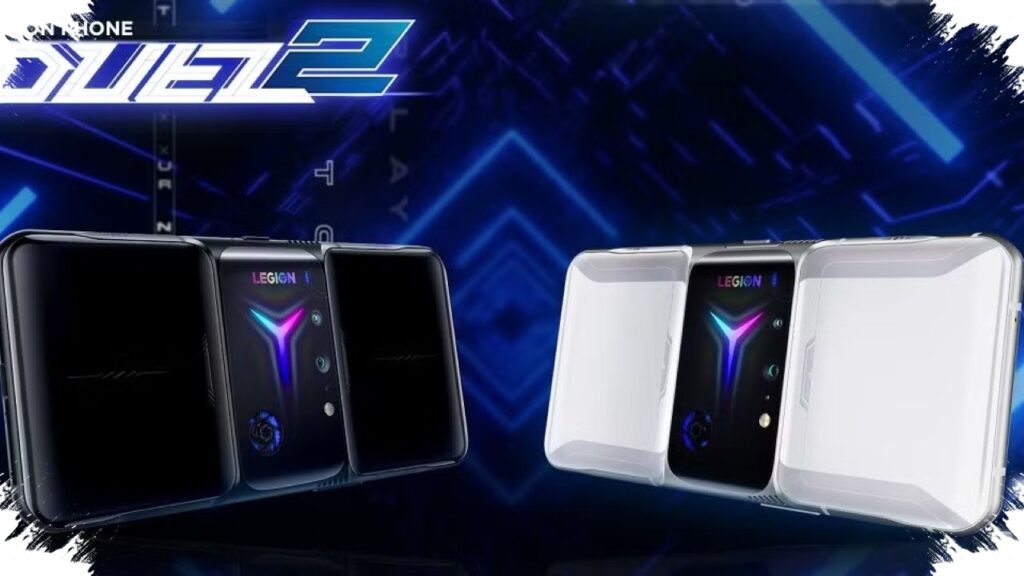
Lenovo is preparing to re-enter the mobile gaming market with a new Legion phone expected to launch globally in May. The move signals a fresh push into a segment Lenovo last served in 2022, and this time the company is placing artificial intelligence at the center of the gaming experience.
The new device is being positioned as more than a power-focused smartphone. Lenovo wants the Legion brand to stand out through AI-driven system efficiency, steadier graphics performance, and faster touch response during demanding gameplay.
AI as the Main Selling Point
Lenovo’s upcoming Legion phone is expected to use AI to improve how the device handles heavy game loads. The system is designed to optimize performance in real time, reduce instability, and keep visuals smooth even when the phone is under pressure.
That approach reflects a broader shift in the smartphone industry. Hardware still matters, but software optimization now plays a bigger role in delivering consistent gaming performance across long sessions.
Industry watchers see this strategy as important for mobile gamers who value stable frame rates and responsive controls. In fast-paced competitive titles, a phone that can adapt automatically to workload changes often feels more reliable than one that only advertises raw specs.
Why Lenovo Is Returning Now
Lenovo’s comeback comes at a time when the gaming phone category remains highly competitive. Brands such as ASUS, RedMagic, and several others continue to push advanced cooling, high-refresh-rate displays, and gaming-focused features to attract power users.
Lenovo appears to believe the market still has room for a premium Legion phone, especially one that combines hardware strength with smarter software behavior. Reports cited by Medcom suggest the company is aiming to make the device relevant to modern users who expect more than just fast internals.
That makes sense in a market where players want performance that lasts, not just performance that peaks for a few minutes. AI-based tuning could help Lenovo address heat, battery use, and touch latency in ways that matter during extended gameplay.
Design Changes Hint at a Fresh Direction
Leaked details suggest Lenovo is also changing the phone’s visual identity. The new Legion model is said to move closer to the styling language of Lenovo’s Motorola smartphones, while still keeping Legion branding on the back.
This could help the company broaden the device’s appeal beyond traditional gaming fans. A more refined look may make the phone easier to market to users who want gaming power without an overly aggressive design.
The shift also suggests Lenovo is trying to modernize the Legion name rather than simply revive an old formula. That matters in a category where industrial design has become part of the buying decision, especially for users who want one phone for both gaming and daily use.
What Has Been Confirmed So Far
Lenovo has not published the full specifications yet, so several details remain unknown. The company has not confirmed the chipset, RAM options, camera setup, or battery capacity.
Still, enough information has emerged to outline the current picture:
| Confirmed detail | Status |
|---|---|
| Global launch window | May |
| Core feature | AI-powered gaming optimization |
| Market target | High-end gaming smartphone segment |
| Design direction | Updated look with Motorola-like influence |
| Brand role | Part of Lenovo’s Legion ecosystem |
The limited official disclosure keeps attention high ahead of launch. It also suggests Lenovo may be holding back key hardware details to preserve momentum closer to release day.
Part of a Larger Legion Ecosystem
Lenovo says the phone will strengthen the wider Legion ecosystem, which already includes laptops, tablets, and gaming accessories. That ecosystem approach matters because many gamers now expect connected devices that work together smoothly.
Cross-device integration can add practical value through synchronized settings, shared data flows, and accessory compatibility. For users already invested in Legion products, a new phone could become a more natural extension of an existing setup.
This also helps Lenovo compete with brands that build loyalty through platform continuity. In gaming, a consistent ecosystem can be as persuasive as a benchmark result.
A Competitive Test for AI Gaming Phones
The return of a Legion-branded gaming phone will also test whether AI features can become a real differentiator in mobile gaming. Many brands now claim smarter performance management, but few have clearly shown how those features improve everyday use in a measurable way.
If Lenovo can deliver smoother frame pacing, better thermal behavior, and more responsive touch input, the new Legion phone could gain attention quickly. With the launch expected in May and key hardware still under wraps, the market will be watching closely for proof that AI can give gaming phones a meaningful edge in 2026.