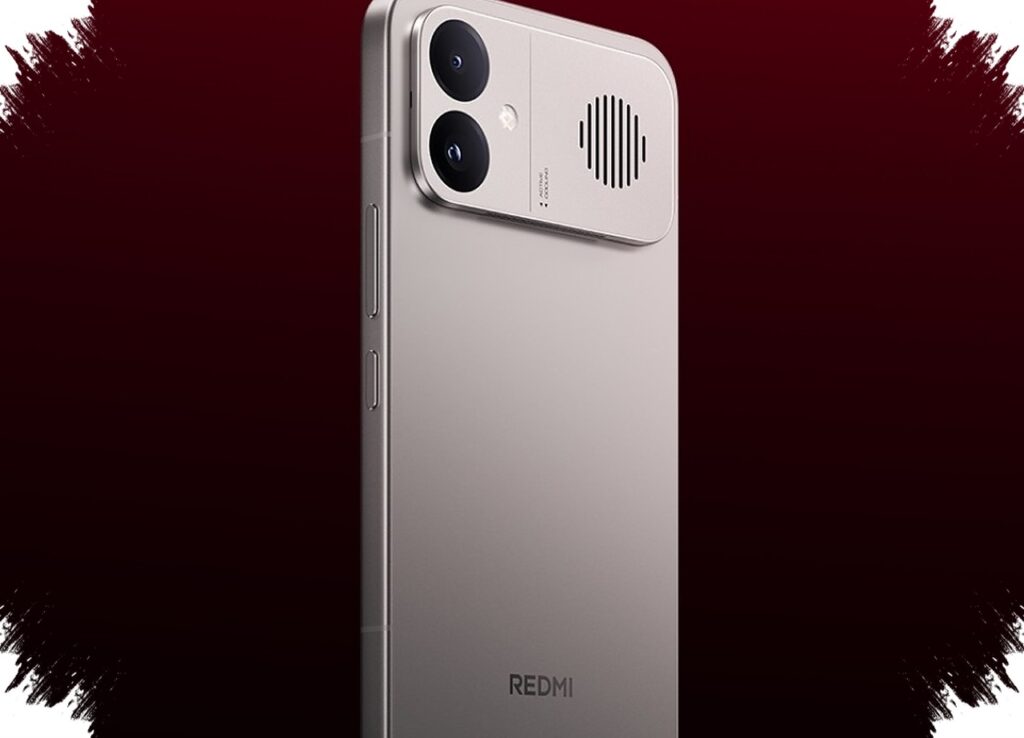
Xiaomi is reportedly preparing a bold new flagship challenger for 2026, and the Redmi K90 Max is already drawing attention for two features that could change the way high-performance phones are built. The leaks point to an internal cooling fan and an ultra-fast 3,500Hz touch sampling rate, a combination that targets gamers and heavy users who want sustained speed without the usual heat-related slowdown.
If the early reports are accurate, the Redmi K90 Max may push Xiaomi’s Redmi line further into “flagship killer” territory. The device is expected to focus on raw performance, lower thermals, and faster touch response, all while keeping the brand’s value-driven pricing strategy intact.
A More Aggressive Redmi Strategy
The leaked direction suggests Redmi is no longer aiming only at mainstream buyers. It is now looking more clearly at hardcore mobile gamers, creators, and power users who care about extended peak performance.
That matters because many premium phones still struggle with heat when they run demanding games or heavy AI tasks for long periods. Redmi K90 Max appears designed to attack that weak point directly, which could make it stand out in a crowded 2026 flagship market.
Internal Fan Cooling Could Be the Main Differentiator
One of the most unusual rumors is the use of an internal cooling fan, which is rare in commercial smartphones. Most current devices rely on passive systems such as vapor chambers, graphite layers, and thermal pads to dissipate heat.
An active cooling fan would add airflow inside the phone and help keep chipset temperatures more stable during intense workloads. In practical terms, that could reduce thermal throttling, the performance drop that happens when a phone gets too hot.
For users, the benefit would likely show up during long gaming sessions, extended video rendering, and other sustained workloads. It would also align with Xiaomi’s apparent goal of keeping the phone fast even under pressure.
Why 3,500Hz Touch Sampling Could Matter
The second headline feature is the reported 3,500Hz touch sampling rate, which would place the Redmi K90 Max far above the typical flagship range. Most premium phones today sit somewhere around 240Hz to 480Hz, so this number would be dramatically higher if it reaches production.
Touch sampling rate measures how often the screen checks for input from your finger. A higher number means touch recognition can feel more immediate and precise, which is especially important in fast-paced mobile games.
For e-sports players, quicker input detection can make a real difference in reaction-heavy moments. It may also improve the overall feel of the device, making scrolling, tapping, and gesture control appear more fluid and responsive.
Expected Direction for Core Hardware
Xiaomi has not confirmed the chipset, but industry watchers expect a Snapdragon 8-series platform from Qualcomm. That would fit the phone’s positioning, especially if Xiaomi wants to compete with other 2026 performance flagships.
A likely software layer is HyperOS based on a newer Android release, which could bring system-level optimization for gaming, AI tasks, and battery management. The reported hardware direction also suggests a large battery above 5,000mAh, paired with fast charging for shorter top-up times.
Here is a simple breakdown of the rumored priorities:
- High-end Snapdragon 8-series processor
- HyperOS based on the latest Android version
- Triple-rear-camera setup with improved low-light performance
- Battery capacity above 5,000mAh
- Fast charging with reduced downtime
- Internal active cooling for sustained performance
What the Phone Could Mean for the Market
If Redmi delivers even part of what the leaks suggest, the K90 Max could challenge the idea that strong gaming phones must be expensive or bulky. Active cooling has long been associated with specialized gaming devices, but Redmi may try to make it more acceptable for mainstream flagship buyers.
That move would also strengthen Xiaomi’s value story. The company has often used the Redmi label to offer aggressive specifications at lower prices than rival brands, and this model could continue that pattern in a more advanced form.
Positioning as a Flagship Killer
The term “flagship killer” is often overused, but the Redmi K90 Max has the kind of leaked features that justify the label. A phone that combines advanced cooling, extreme touch sensitivity, and flagship-grade processing could appeal to users who want top-tier performance without paying premium-brand pricing.
That said, much still depends on final launch details, official thermal design, display quality, camera tuning, and software stability. Leaks can point to ambition, but the real test will come when Xiaomi shows whether these radical features can work together in a slim, reliable consumer device.
For now, the Redmi K90 Max looks like one of the more intriguing 2026 smartphones to watch, especially for buyers who value performance consistency, gaming responsiveness, and the possibility of flagship-level power at a more accessible price point.