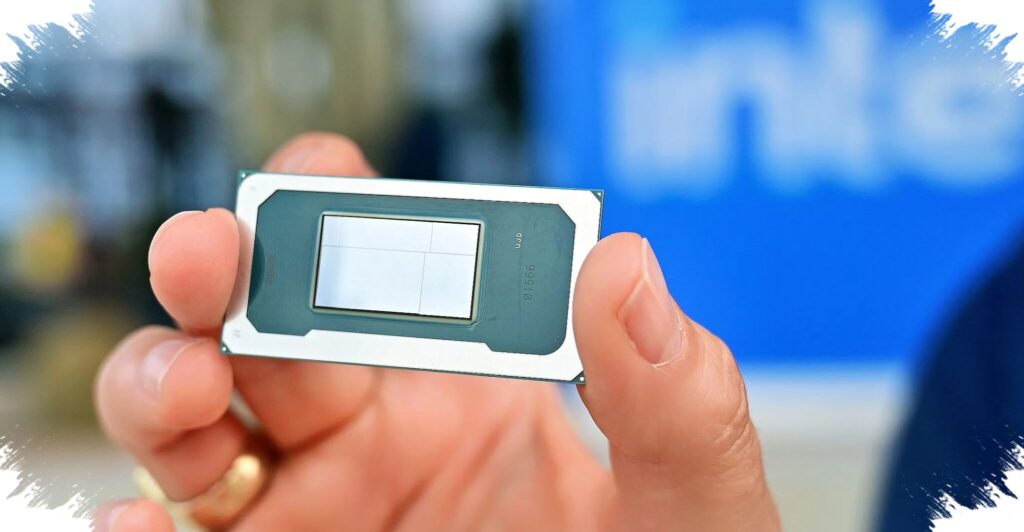
Intel has officially brought the Core Ultra Series 3, also known by the Panther Lake code name, to Indonesia through a new wave of AI-focused laptops. The launch in Jakarta signals a stronger push to build a local PC AI ecosystem as laptops increasingly compete on on-device intelligence rather than raw processor speed alone.
The new platform combines CPU, GPU, and NPU in one architecture, with Intel saying the NPU can deliver up to 50 TOPS for local AI processing. That level of performance matters because it allows more AI tasks to run on the laptop itself, which can improve speed, reduce dependence on the cloud, and support better power efficiency.
Why 50 TOPS matters for AI laptops
TOPS, or Trillions of Operations Per Second, has become one of the most important numbers in the AI PC market. In simple terms, a higher TOPS figure means the chip can handle more AI work locally, including features such as assistants, image enhancement, noise reduction, content generation, and real-time optimization.
For consumers, that translates into faster responses and a smoother experience in daily use. It also helps laptops stay practical in situations where internet access is unstable or when data privacy requires more processing to stay on the device.
Intel positions Panther Lake as part of a wider shift in client computing, where AI features are no longer limited to data centers or high-end workstations. The company says the platform is built on Intel 18A technology, which is designed to support demanding AI workloads while improving efficiency.
A new architecture for slimmer laptops
Intel also highlights the new Xe3 graphics architecture as part of the package. The company says it is aimed at improving visual performance while keeping power consumption under control, a balance that matters for thin-and-light laptops and mobile work.
That combination is important for manufacturers, because it gives them more room to design slimmer devices without sacrificing responsiveness. In practical terms, users may see lighter laptops that can still handle creative work, productivity apps, and AI-assisted features more effectively.
Harry K. Nugraha, Country Manager of Intel Indonesia, said the launch is part of Intel’s client computing roadmap and reflects the company’s view of Indonesia’s evolving digital needs. His comments underscore how the market is shifting from conventional performance claims toward devices that can support more intelligent workloads.
Laptop brands are already lining up
Several major global laptop makers have prepared models using Core Ultra Series 3 for the Indonesian market. Brands mentioned include ASUS, Acer, Dell, HP, Lenovo, and MSI, with devices already appearing across major retail channels.
Intel says more than 200 laptop designs globally are based on the new processor family. Those models cover a broad range of use cases, from premium ultrabooks and gaming machines to productivity laptops and corporate devices.
- Premium laptops for users who want slim designs and high performance.
- Gaming laptops that need strong graphics and fast processing.
- Productivity laptops for professionals and creative workers.
- Corporate laptops that prioritize battery life and security features.
What this means for Indonesia’s PC market
The arrival of Panther Lake in Indonesia shows that the AI laptop race is becoming more serious. Local buyers now have more access to notebooks that are not only fast, but also designed for AI tasks that run directly on the device.
That matters for professionals, students, and creators who want quicker workflows, longer battery life, and more adaptive performance. It also puts pressure on other chipmakers and laptop brands to respond with similar or better AI capabilities in the months ahead.
For retailers and enterprise buyers, the bigger shift may be in how laptops are marketed and evaluated. Specifications will still matter, but AI readiness, local processing power, and efficiency are becoming key factors in deciding which devices stand out in Indonesia’s next wave of laptop upgrades.