


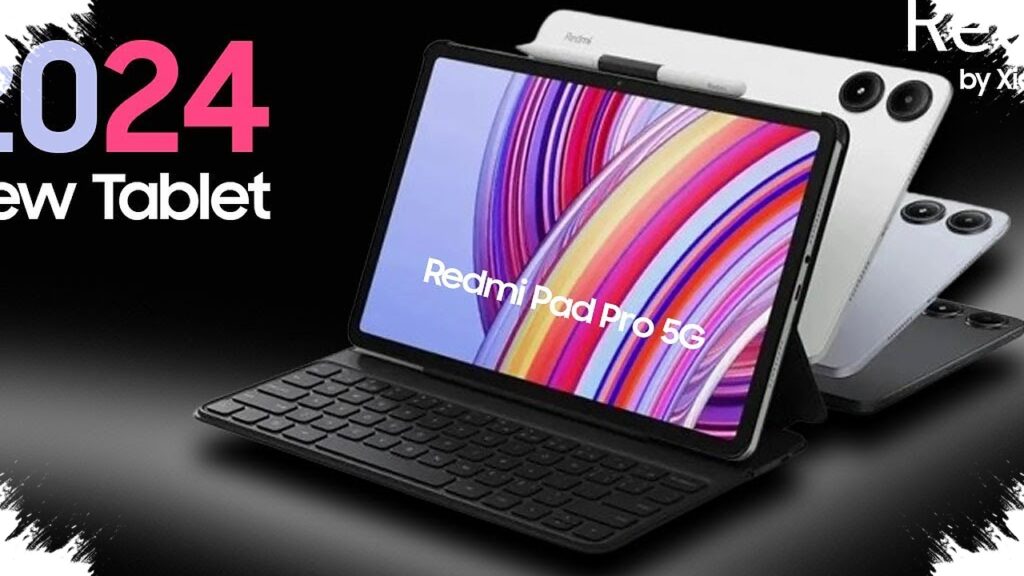
For field health workers, a tablet is no longer just a larger screen. It is now a working tool for entering patient data, attaching photos, joining remote consultations, and completing digital administration without waiting to return to the office.
That need has become more visible as primary healthcare services move deeper into digital systems. In many locations, slow batteries, unstable connections, and delayed record keeping still create bottlenecks, so budget-friendly tablets with bigger displays and practical connectivity are drawing more attention.
What field workers actually need in a tablet
A device used by Puskesmas staff, village midwives, and community health workers has to do more than open basic apps. It must stay stable while handling data entry, documentation, and communication in one work session.
The most common demands in the field are patient input for SatuSehat or BPJS, photo or video documentation of patient conditions, teleconsultation with doctors, and digital signatures. That is why screen size, battery capacity, and network access matter as much as raw performance.
Xiaomi models that fit the work pattern
Several Xiaomi tablets stand out because they match those needs without pushing the budget too far. Redmi Pad SE 4/128 is one of the most balanced options, with an 11-inch FHD+ display, 90Hz refresh rate, Snapdragon 680 chipset, 8,000 mAh battery, and an 8 MP camera, priced at Rp2.1–Rp2.4 million.
For workers who move more often and need mobile data access outside the office, Redmi Pad SE 8.7 4G becomes a practical choice. It offers an 8.7-inch display, 4GB RAM, 4G LTE connectivity, and a price range of Rp1.8–Rp2 million.
Redmi Pad 2 4G also sits in the affordable segment. With a 10-inch display and 4G LTE support, it is listed at around Rp1.8–Rp2.3 million, making it suitable for agencies that want a functional tablet at a relatively low cost.
More room for multitasking
Some field teams need more storage and memory to keep work applications running smoothly. Redmi Pad SE 6/128 answers that need with 6GB RAM and 128GB storage, and its price range of Rp2.4–Rp2.6 million gives it a bit more breathing room for multitasking.
That extra capacity can matter when one device handles form filling, documentation, and file storage in the same workflow. In a field setting, more room can reduce the frustration of switching between apps or managing limited internal memory.
When higher performance starts to matter
Xiaomi Pad 6 sits above the Rp2 million range, but it still belongs in the discussion for teams with heavier workloads. The tablet uses Snapdragon 870, 8GB RAM, and is priced at around Rp4.9 million, which gives it noticeably wider headroom for longer-term use and faster response.
This model is less about budget efficiency and more about stability under heavier use. For officials or health workers who run more demanding applications, the stronger chipset can be relevant even if the price is no longer entry-level.
Why Xiaomi keeps appearing in these comparisons
Xiaomi often comes up because the brand offers specifications that still make sense at aggressive prices. In the reference, Redmi Pad SE is highlighted as efficient thanks to the Snapdragon 680 built on a 6nm process, which helps the device avoid overheating during multitasking.
Official Xiaomi Indonesia data also states that Redmi Pad SE can last up to 14 hours of video playback and offers long standby time. For field health workers, that kind of endurance is useful when a device must stay active through working hours without depending heavily on a charger.
A larger display also helps reduce input errors when health applications show many fields at once. For mobile Puskesmas operations, village midwife work, and government health surveys, the combination of screen size, battery life, and stable connectivity makes Xiaomi tablets around Rp2 million a practical option for real-time medical recording.