


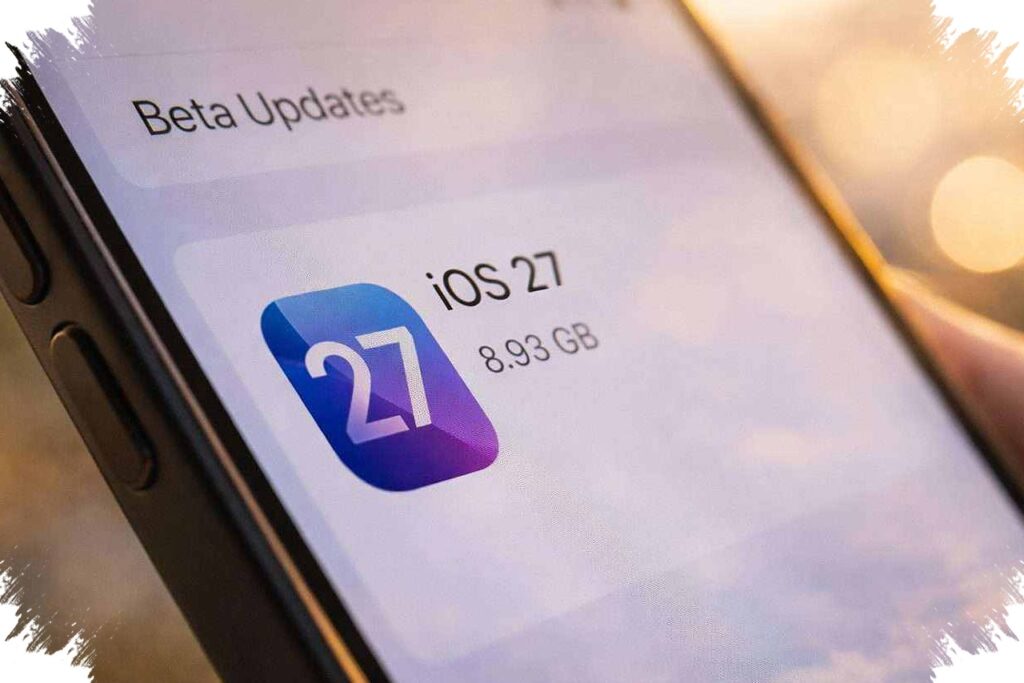
Apple’s next major software update is already drawing attention because it may leave several older iPhones behind. Among the models most often mentioned in early reports are the iPhone 11, iPhone 11 Pro, iPhone 11 Pro Max, and the second-generation iPhone SE.
If that leak proves accurate, iOS 27 could become available only on the iPhone 12 line and newer devices. That would make the current compatibility check especially important for users who want to know whether their phone is still likely to stay in Apple’s major update cycle.
Which iPhones appear most at risk
The strongest concern centers on devices powered by the A13 chip or older hardware. Based on the report, Apple may start drawing a line at that level, which places the entire iPhone 11 family and the second-generation iPhone SE in the highest-risk category.
That does not mean those phones would stop working. It does mean they may no longer receive a major iOS release and could instead remain on their current version for a time while still getting security updates.
Devices still expected to stay in the update pool
The leak suggests that Apple may continue supporting a wide range of later models. The phones that still appear likely to be compatible with iOS 27 include the iPhone 12 series, iPhone 13 series, iPhone 14 series, iPhone 15 series, iPhone 16 series, iPhone 17 series, iPhone 18 lineup, and the third-generation iPhone SE or newer.
That lineup points to a support window that remains fairly consistent. The referenced report also says iPhone software support has generally stayed in the five-to-six-year range, which matches the idea of older models gradually being phased out as newer generations arrive.
Why older devices are the first to lose support
Major iOS releases usually demand more processing power than earlier versions. As Apple adds newer system tools and heavier features, older chipsets are often the first to fall out of the compatibility list.
The shift toward AI-centered development makes that pressure even more noticeable. According to the report, iOS 27 is expected to place a stronger emphasis on AI features, which raises the hardware requirements for phones that need to handle those functions smoothly at the system level.
Compatibility does not always mean full access
Even if a phone remains eligible for iOS 27, that does not guarantee every new feature will be available. The same report says some advanced capabilities, especially those tied to Apple Intelligence, may remain limited to newer iPhone models.
There is also an indication that more advanced AI features could start from the iPhone 15 Pro. In practical terms, that means one iPhone may be able to install iOS 27 while still missing some of the headline features Apple highlights for newer hardware.
What iOS 27 is expected to bring
Apple has not confirmed the final feature set yet. Still, the current leaks point to deeper AI integration, including improvements to Siri and broader system intelligence.
Other expected changes include new customization options, adjustments to the Home Screen, and some visual refinements. Those details remain unconfirmed for now, but they help explain why hardware support has become such a key question ahead of the announcement.
When Apple is expected to show it
WWDC 2026 is scheduled for June 8 to June 12, and that event is expected to serve as the main stage for the iOS 27 reveal. It will likely be one of the biggest moments in Apple’s yearly software calendar.
The stable release is also expected to arrive around September, alongside the next iPhone launch, following Apple’s usual rollout pattern. For users of the iPhone 11 series and the second-generation iPhone SE, the current picture still depends on leaks until Apple confirms the list officially, but the early signs already point to a clear divide between devices that will move forward and those likely to stay on iOS 26 with security updates.
Source: www.techlusive.in