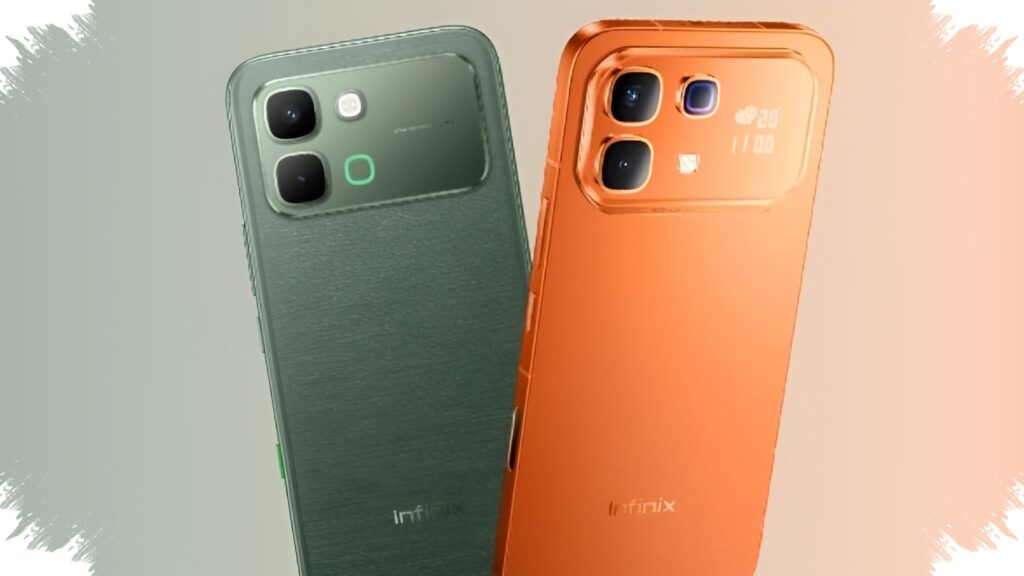
The gap between the Infinix Note 60 Pro Pininfarina Edition and the Note 60 Ultra is not only visible in the price tag. It also appears in the choice of chipset, camera hardware, battery setup, and extra features that place the Ultra in a much higher class.
Both phones still carry a premium identity through their collaboration with Pininfarina, but the positioning is not the same. The Note 60 Pro Pininfarina Edition is designed as a more accessible special edition, while the Note 60 Ultra is built as the most complete model in the lineup.
Different levels of ambition
The Note 60 Pro Pininfarina Edition brings a sportscar-inspired look through the Pininfarina partnership and is offered as a premium option at a lower entry point. It keeps the focus on design appeal without pushing too far into the upper flagship tier.
The Note 60 Ultra takes a more serious direction with an aluminum unibody body and Gorilla Glass Victus on the back panel. It also carries the same IP64 certification as the Pro variant, but its build emphasizes a more advanced and fully equipped positioning.
Performance that does not sit in the same class
On paper, the Note 60 Pro Pininfarina Edition already looks capable enough for everyday use. It uses the Snapdragon 7s Gen 4, Adreno 810 graphics, 12GB of RAM, and 256GB of UFS 2.2 storage.
The Note 60 Ultra moves much further ahead with the MediaTek Dimensity 8400 Ultra built on a 4 nm process. It is paired with an eight-core CPU reaching 3.25 GHz, Mali G720 graphics, 12GB of RAM, and 512GB of UFS 4.0 storage, making it a much stronger choice for users who want more power and more storage headroom.
Display similarities, but not identical treatment
Both devices use a 6.78-inch panel with 1.5K resolution and a 144 Hz refresh rate. They also share a peak brightness of 4,500 nits, so outdoor visibility should remain strong on either model.
The differences are found in the panel details and protection. The Note 60 Pro Pininfarina Edition uses an AMOLED LTPS screen with Corning Gorilla Glass 7i and a 93.18 percent screen-to-body ratio, while the Note 60 Ultra is only described as using a 6.78-inch AMOLED panel without the same protection details being specified in the source.
Camera hardware is where the Ultra pulls ahead most clearly
Photography is the area that makes the largest gap between the two phones obvious. The Note 60 Pro Pininfarina Edition has a 50MP main camera with OIS, an 8MP ultrawide camera, and a 13MP front camera.
The Note 60 Ultra adds far more flexibility with a 200MP Samsung ISOCELL main camera, a 50MP periscope camera with 3.5x optical zoom and up to 100x digital zoom, an 8MP ultrawide camera with a 112-degree field of view, and a 32MP f/2.2 front camera. That setup makes the Ultra the more compelling option for users who care about zoom range and imaging versatility.
Battery and charging also separate the two
Battery capacity is another point where the Ultra stretches the distance. The Note 60 Pro Pininfarina Edition has a 6,500 mAh battery with 90W fast charging, plus support for 30W wireless charging, 7.5W reverse charging, and 5W reverse wireless charging.
The Note 60 Ultra raises the battery size to 7,000 mAh and supports 100W fast charging along with 50W wireless charging. For heavier use and quicker top-ups, that combination gives it a clear advantage.
Extra features reinforce the premium split
Software support is one area where both models remain equal. Each phone runs XOS 16 based on Android 16 and is promised 3 major OS upgrades plus 5 years of security patches.
Beyond that, the Ultra adds more advanced features such as two-way satellite communication, a dot matrix display on the rear body for status icons and a virtual assistant, a floating taillight notification lamp, and eSIM support. These additions underline its position as the more complete and more expensive device.
The price gap is hard to ignore
The Note 60 Pro Pininfarina Edition was priced at Rp 6.399.000 during its first sale, while the Note 60 Ultra carried a normal price of Rp 11.999.000 and a first-sale price of Rp 10.999.000. That difference makes the choice straightforward for buyers who must decide between a more affordable premium design and a model that offers much broader hardware and feature advantages.
Source: gadgetsquad.id