


Huawei has added a new wearable to its lineup in China with the launch of Huawei AI Glasses, a smart eyewear product built around artificial intelligence, everyday convenience, and long-form comfort. The device was introduced alongside the Pura 90 flagship phone series, signaling that Huawei sees it as part of a broader digital lifestyle ecosystem rather than a standalone gadget.
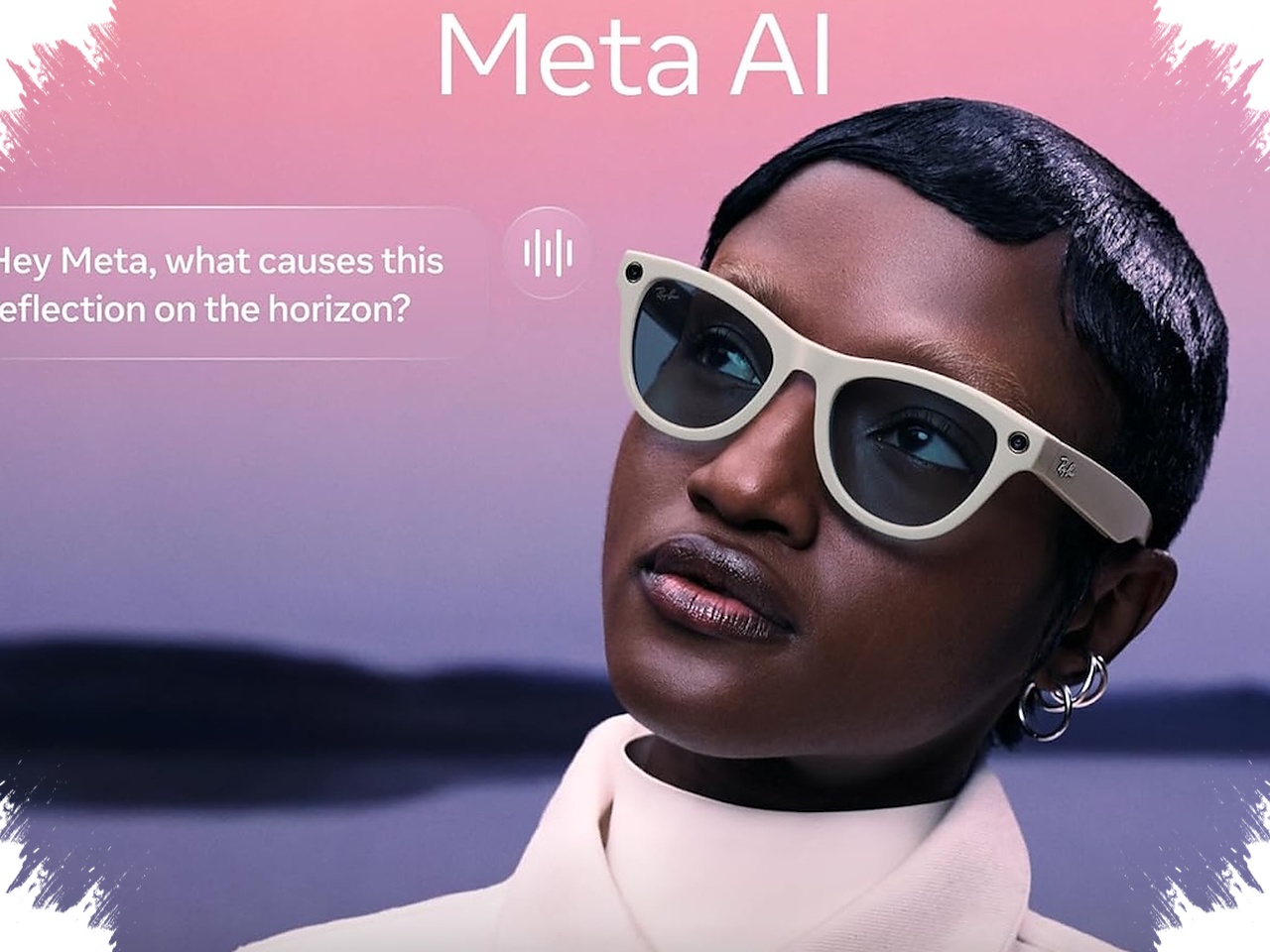
The strongest selling point is its weight. Huawei says the AI Glasses weigh 35.5 grams without lenses and 47 grams once lenses are fitted, placing them below Ray-Ban Meta AI Gen 2, which is reported at around 50 to 53 grams.
That lighter build matters in a category that has often struggled with bulk. Huawei appears to have focused on keeping the frame compact while preserving core smart functions, and it uses precision stacking to fit the camera hardware without making the eyewear look overly thick or technical.
A frame built for daily wear
Huawei has equipped the glasses with dual 12 MP cameras, one on each side of the frame, to support visual features. The placement is designed to keep the structure as slim as possible while allowing the device to remain practical for everyday use.
The company also uses a “golden triangle” frame design, which it says is based on analysis of head shapes among people in Asia. This approach is meant to improve stability and fit, so the glasses sit more securely during normal wear.
To strengthen the frame further, Huawei uses titanium hinges. The material is intended to add durability and improve structural rigidity without making the device feel heavy.
AI tools and everyday functions
The smart glasses run with the Xiaoyi digital assistant, which processes voice commands through an internal AI chip. That setup turns the device into a voice-driven interface for core tasks rather than just a camera-equipped accessory.
Huawei also adds vibration feedback on the frame, giving users a physical response from the system without relying only on visual cues. For users in China, the glasses additionally support Alipay integration, which makes the device more relevant to daily digital activity.
This combination of voice interaction, tactile feedback, and payment support shows that Huawei is positioning the product for quick, practical use instead of limiting it to novelty features.
Battery life stands out
Another key part of Huawei’s pitch is endurance. The company claims the AI Glasses can play music continuously for up to nine hours, which is longer than Meta’s smart glasses, said to last about five hours for similar use.
For a wearable device, that difference is important because battery life affects how comfortably it can be used through the day. Huawei’s claim suggests the product is not only lighter on the face, but also less restrictive in terms of charging frequency.
Colors and pricing in China
In China, Huawei AI Glasses are offered in three color options: titanium silver gray, shimmering silver, and modern black. The selections give buyers some room to match the device with personal style preferences.
Pricing starts at 2,499 yuan and goes up to 2,899 yuan for certain versions. With its lighter weight, dual cameras, AI functions, and extended battery claim, Huawei is entering the smart glasses market with a product designed to compete on comfort as much as on features.