


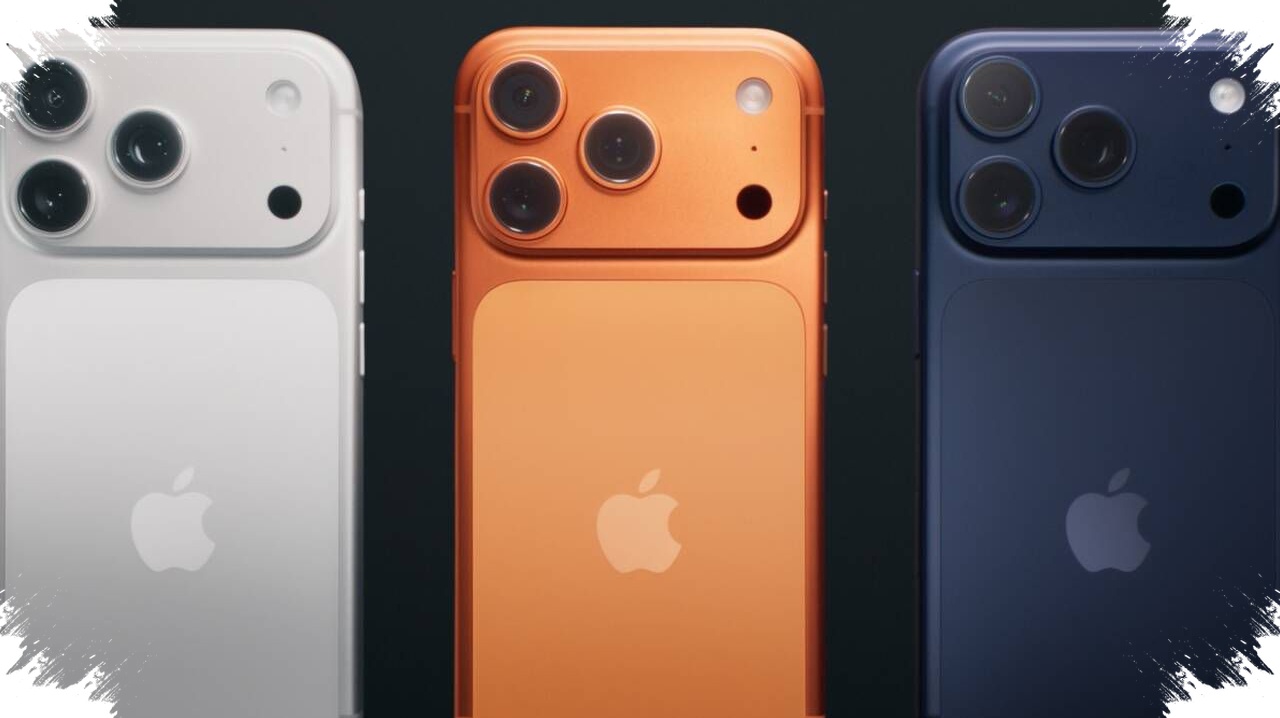
Apple’s upcoming iPhone 18 standard model could face an unusual comparison if the latest supply chain report proves accurate: it may not only trail the Pro versions, but also look less advanced than the iPhone 17 in one of the most noticeable parts of a phone, the display.
The report suggests that the standard iPhone 18 may skip Apple’s newest OLED panel and instead use older display materials, creating a wider split between the regular lineup and the Pro models. In practical terms, that means the next non-Pro iPhone could arrive with a screen technology that does not move forward in step with the rest of the family.
Display upgrades may stay reserved for the top models
The information comes from a supply chain report shared by the tech blog Schrödinger Intel. According to that report, Apple is preparing the Samsung M16 OLED panel for the iPhone 18 Pro, iPhone 18 Pro Max, and the rumored foldable iPhone.
The standard iPhone 18 and iPhone 18e are said to be in a different position. They are reportedly not getting the M16 panel, and Apple is weighing older display materials instead, including M14 or a custom M12+ panel.
Why M12+ matters
Among the two options, M12+ is said to be the leading candidate. It is described as an evolution of the M12 architecture, with small improvements in brightness and efficiency.
Even so, it would still sit below M13, M14, and M16 in overall capability. That detail is important because it places the regular iPhone 18 in a lower display tier than the models expected to receive the newest panel.
The surprise comparison with iPhone 17
What makes the leak stand out is the possibility that the standard iPhone 18 could end up behind the entire iPhone 17 lineup in display modernity. The source material says the iPhone 17 series uses M14-based panels, which means Apple’s newer base model could, in theory, ship with older screen technology than its predecessor.
That would be an unusual situation for buyers who expect a newer generation to at least preserve key component quality. Since the display is one of the most visible parts of daily use, even small differences in panel material can shape how a phone feels in practice.
Cost control appears to be part of the plan
The report points to pricing strategy as the likely reason for the possible downgrade. Apple is believed to be trying to keep component costs under control so the iPhone 18 can stay at a stable selling price, even as other parts become more expensive.
The source says the iPhone 18 is expected not to get a price increase. That makes the use of an older display material easier to understand as a cost-saving move rather than a performance-first choice.
For context, the iPhone 17 launched in India in September 2025 with a starting price of Rs. 82,900 for the 256GB base variant. In that setting, holding the next model’s price steady may require compromises in some components.
The gap between standard and Pro could grow wider
If the leak is accurate, the difference between Apple’s regular and Pro phones will become more visible. The Pro models would get M16 panels, while the base iPhone 18 would rely on M12+ or a similarly older solution.
That split would go beyond cosmetic changes or extra features. It would affect a core part of the device that users notice every day and could reinforce the Pro models as the only truly premium option in the lineup.
The report also fits with earlier rumors suggesting other compromises on the vanilla iPhone 18, including changes tied to manufacturing, chipset, and RAM. Taken together, those claims suggest Apple may be widening the specification gap across its phone range, leaving the standard model closer to the iPhone 18e than to the Pro tier.