


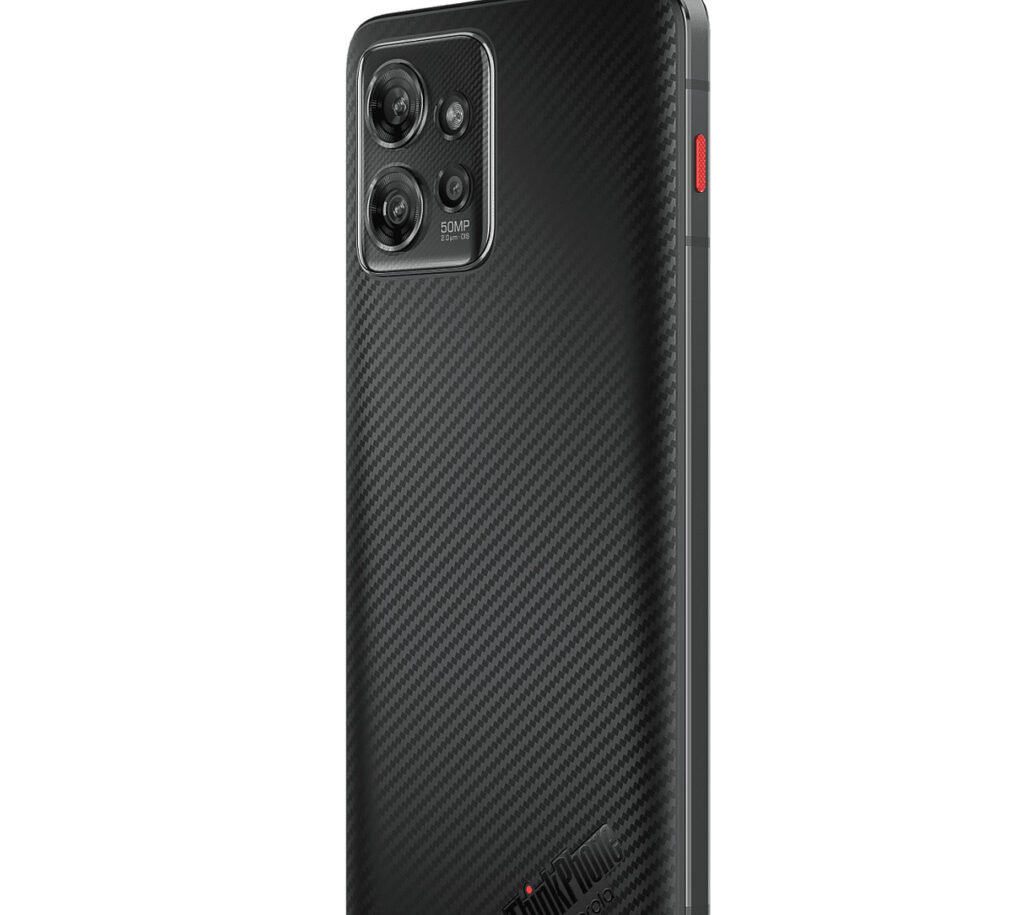
Motorola Indonesia says its component supply remains stable despite the global memory shortage that has tightened pressure across the electronics industry. The company has not yet felt direct disruption, even as many manufacturers continue to adjust to higher costs and constrained availability.
The situation has become more serious because memory demand has been driven upward by the rapid expansion of AI infrastructure. That shift has made memory chips harder to secure for phones, PCs, and laptops, while also pushing prices higher across the global market.
Lenovo’s ecosystem is a key buffer
Motorola’s relative insulation is closely tied to its position within the Lenovo group. Country Head Motorola Indonesia Bagus Prasetyo said the relationship gives Motorola stronger supply-chain support than many brands that rely more heavily on the open component market.
Lenovo’s broader strength in IT, servers, and database manufacturing also helps stabilize access to memory. That structure gives Motorola more room to maintain supply as other players begin to feel the squeeze from limited component availability.
Bagus said in an official statement in South Jakarta that the situation is challenging, but Motorola’s memory supply in Indonesia is still manageable. “We have so far not yet experienced or been directly affected by a shortage of memory supply,” he said.
AI demand is reshaping the market
The current shortage is not happening in isolation. Since mid-2025, growing demand for AI infrastructure has shifted component priority toward data-intensive systems, leaving less room for consumer devices.
That change has tightened memory supply for smartphones, PCs, and laptops and has started to influence pricing. IDC expects the disruption to continue into 2026 and even 2027, suggesting the industry may have to deal with uncertainty for some time.
TrendForce has also warned that the market is unlikely to recover quickly. The research firm said device prices could keep rising, while mid-range and entry-level products may face specification reductions to help manufacturers control production costs.
Pressure is already visible across the industry
Motorola is not the only company navigating this environment, and several major technology brands have already signaled the strain. HP previously said memory accounted for 35 percent of total PC component costs, underscoring how sharply the cost structure has changed.
OPPO and OnePlus are also reported to raise product prices together starting 16 March 2026. At the same time, Apple is said to be facing delays to the launch of MacBook Pro and Mac Studio because of similar supply conditions.
These responses show that the memory shortage has moved beyond a supply-chain issue and into a broader industry challenge. When key components become more expensive, manufacturers are left with limited options: hold prices steady, absorb thinner margins, or adjust product specifications.
Pricing pressure may still reach Motorola
Even with a relatively safe supply position, Motorola Indonesia is not ruling out price adjustments later on. Bagus said that possibility remains open because the component market is being shaped by industries that are prioritizing AI demand.
“Priority in supply-chain fulfillment is currently with the AI industry, and other supporting industries will naturally follow what is happening in the market,” he said.
For now, Motorola appears to be in a better position than many competitors as it continues to benefit from Lenovo’s structure. Still, as long as the memory shortage persists, component costs will remain an important factor in Motorola’s pricing strategy in Indonesia.
Source: telset.id