


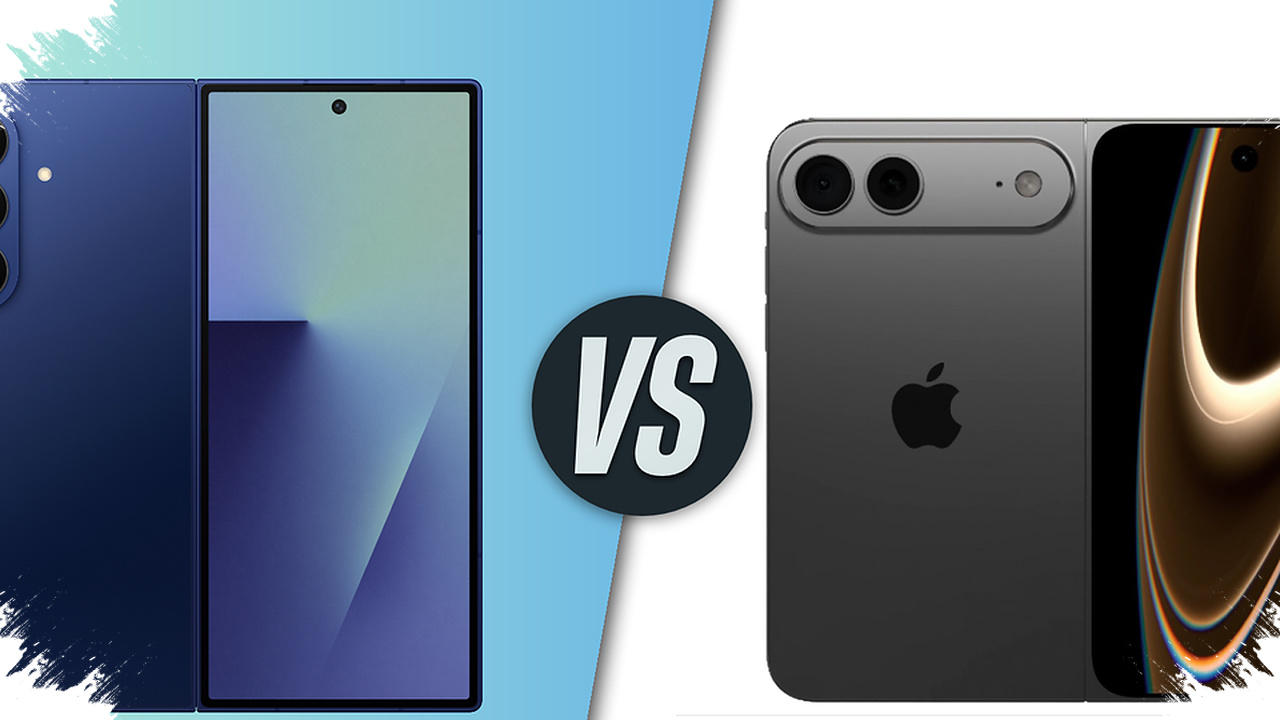
Foldable phones are starting to look less like engineering showcases and more like devices designed around everyday use. That shift is being driven by a simple idea: a wider inner display makes the foldable format far easier to justify for reading, watching, working, and gaming.
For years, book-style foldables often came with inner screens that felt too narrow or too square to fully deliver the benefit of a larger display. The latest direction from Samsung and Apple suggests that this long-running compromise is finally being addressed, and the result could change how mainstream users view the category.
A wider screen changes the experience
The main appeal of a foldable has always been what happens after the device opens. When the inner display is closer to a tablet-like shape, content feels more natural to use because media, apps, and games are easier to view in a landscape-friendly layout.
By contrast, a display that leans too far toward a square shape can make the larger screen feel less useful than expected. That has been one of the core criticisms of book-style foldables, where the promise of a bigger screen did not always translate into a noticeably better daily experience.
Huawei shows how the format is shifting
Huawei offers one of the clearest examples of the new direction with the Pura X Max. The device is scheduled to launch on 20 April and is said to feature an inner display with an aspect ratio of around 16:11.
That is a notable change compared with the 1.11:1 ratio on the Galaxy Z Fold 7. The difference is not just a technical detail, because a more rectangular panel typically gives users a more comfortable viewing area and reduces the sense of compromise that has often followed foldables.
Samsung is also moving in the same direction
Samsung is reportedly preparing a similar adjustment for its next foldable lineup. Based on leaked firmware for the Z Fold 8 Wide, the device is expected to carry a 7.6-inch inner screen with a 4:3 aspect ratio.
While 4:3 is not as wide as the ratio on the Pura X Max, it is still more rectangular than the Galaxy Z Fold 7. That suggests Samsung is responding to a market that increasingly values a foldable form factor that feels more like a compact tablet once opened.
The move could also help address a familiar complaint around the Z Fold series. For some users, previous generations did not change the core usage experience enough when the device was unfolded, even if the hardware continued to improve in other areas.
Apple appears to be following the same trend
Apple has not officially entered the foldable market, but the design direction linked to its rumored foldable iPhone points in the same direction. The iPhone Fold is said to launch later this year and is reported to use an aspect ratio similar to the Pura X Max.
A leaked dummy unit from earlier in April, according to The Verge, also showed a design that looked wider than current foldables from Samsung and Motorola. Exact measurements have not been disclosed, but the visual direction is clear.
That matters because Apple often influences broader market expectations. If a foldable iPhone arrives with a wider inner screen, it could help establish that shape as the more desirable format for the category.
The market may start rewarding usability over novelty
Motorola has also drawn attention with the Razr Fold and has been seen as a possible challenger to Samsung in the foldable space. Even so, high pricing remains a major barrier for many buyers.
As Samsung and Apple move toward wider displays, the competition may shift away from novelty and toward practical value. A foldable that feels easier to use when opened has a stronger case than one that merely folds.
That is why the current shift in aspect ratio matters so much. A wider inner screen does not change the basic concept of a foldable, but it changes how convincing the device feels in daily use, and that may be enough to make the format far easier to accept.