Apple is reportedly moving closer to a new wearable category: AI-powered glasses without a display. The device is being positioned as a lighter, less conspicuous companion to the iPhone rather than a replacement for it, with an early debut expected toward the end of 2026, around the pre-Christmas shopping season.
The report, cited by Bloomberg through Mark Gurman’s analysis, suggests Apple is treating the product as an entry point into more natural everyday computing. Instead of chasing a complex visual interface right away, the company appears to be focusing on a practical form factor that can fit into daily use without drawing much attention.
AI first, display later
For the first generation, Apple’s smart glasses are said to skip a physical screen entirely. That choice reflects the ongoing challenges around display technology in wearables, including weight, battery life, and manufacturing cost.
Rather than adding a visible panel, Apple is expected to rely on internal cameras, high-quality audio, and Siri integration. This setup would allow the glasses to interpret surroundings and respond in a more contextual way, including helping with navigation or identifying objects the wearer is looking at.
That approach also keeps the product closer to the idea of a simple daily accessory. Apple seems to be aiming for fast, practical interactions instead of immediately pushing a more visually complex device.
Design testing is still underway
The company is reportedly still exploring multiple design directions for the glasses. According to the report, Apple is testing four different styles, ranging from rectangular frames to slimmer rounded models.
This range of trials shows that Apple has not settled on a final look yet. For a device worn on the face, the balance between appearance, comfort, and function remains critical, and the design could determine how well the product is received.
Privacy remains part of the plan
Apple is also said to be paying close attention to privacy. One idea under consideration is a physical indicator light that turns on automatically when the camera is active, making it visible to people nearby when recording is taking place.
That detail matters for a category built around cameras and ambient awareness. A visible signal could help address concerns about when the glasses are capturing surroundings, especially as wearable cameras become more common.
A premium version may follow
Alongside the basic model, there are also rumors of a more advanced version with an overlay display. If developed, this model could offer a lighter alternative to Vision Pro while still placing digital information into the user’s real-world view.
Such a version would likely be aimed at premium buyers looking for added visual functionality without wearing a larger headset. Even so, the initial product appears to be the simpler one, suggesting Apple wants a more manageable first step into the category.
A direct challenge to Meta’s head start
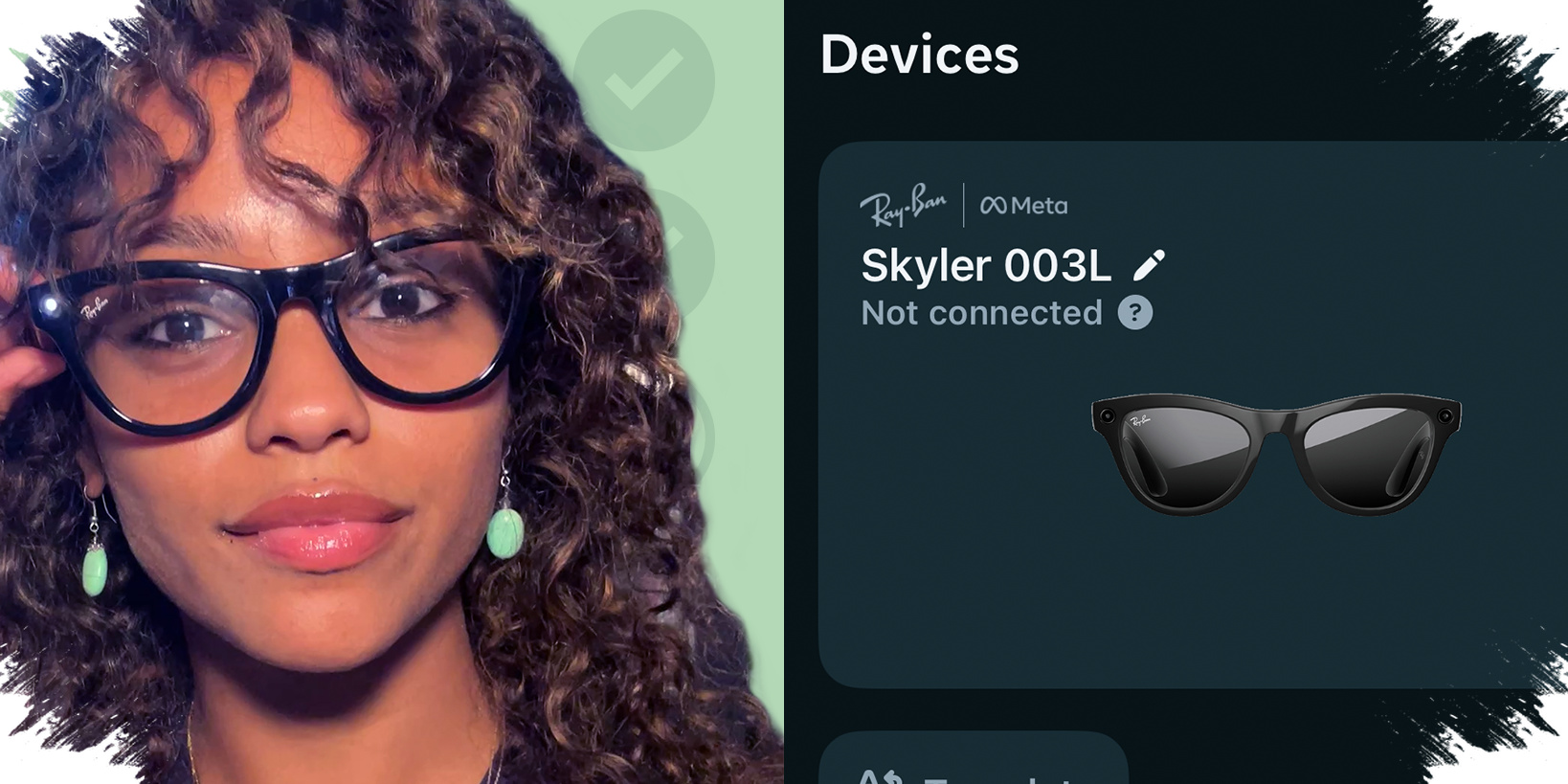
Apple’s entry into smart glasses would also put it into closer competition with Meta, which already sells smart glasses made with Ray-Ban. The race signals that AI wearables are becoming more personal and more useful for everyday tasks.
Apple is expected to lean on a more refined design and a more seamless AI experience to stand apart. If that strategy works, the glasses could become another gateway for users to interact with digital assistants beyond the iPhone screen.
The smart glasses market is moving quickly, and Apple does not appear ready to sit out this phase. With a display-free first model, possible future upgrades, and a strong focus on privacy, the company is preparing a wearable that could change how people use AI in daily life.
-
-
-
-