


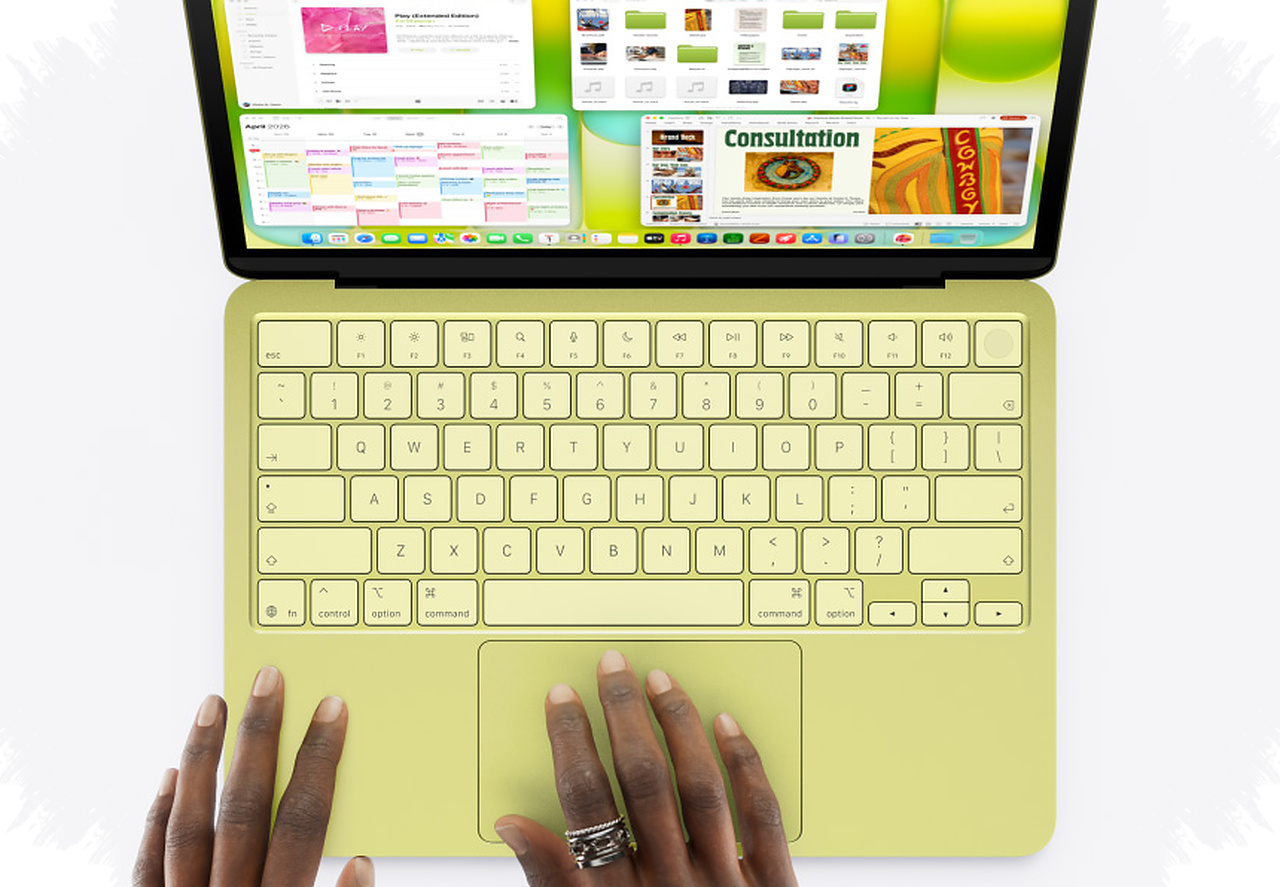
Apple’s push into lower-priced computers is beginning to matter far beyond the laptop segment. With the MacBook Neo introduced at USD 599 or around Rp 10 jutaan, attention has quickly shifted to a bigger question: whether Apple could extend that pricing approach to a low-cost desktop and challenge the long-protected Windows entry-level market.
That possibility is drawing serious attention because the desktop form factor gives Apple more room to keep costs down. Without a display, battery, or hinge, a compact Mac Neo desktop could be priced more aggressively, and analysts see USD 299 or around Rp 5 jutaan as a realistic target if Apple chooses to move in that direction.
Why a desktop changes the calculation
Compared with a laptop, a desktop removes several expensive components from the bill of materials. That makes it easier for Apple to create a lower-priced machine without sacrificing too much on the core experience.
In this scenario, the appeal would not come from price alone. A small, possibly fanless desktop powered by newer chips such as A19 Pro could still offer low power use, smooth macOS performance, and a simple design that fits Apple’s product identity.
The MacBook Neo signals a broader strategy
The MacBook Neo itself has already been read as a sign that Apple is getting more serious about lower price tiers. Its entry at USD 599 suggests the company is willing to move deeper into the sub-USD 700 range, which was long considered the safe zone for budget Windows PCs and Chromebooks.
That move matters because the laptop is also tied to high-end iPhone-derived silicon, including the A18 Pro. The combination of efficiency, solid performance, and friendlier pricing has made the device stand out quickly, even before any desktop version becomes a reality.
Windows makers could face the sharpest pressure
If Apple enters the USD 299 to USD 399 range, the first companies to feel it would likely be Dell, HP, Lenovo, and Asus. These brands still depend heavily on thin-margin entry-level PCs, where price competition is already intense and room for innovation is limited.
The challenge is not only about matching Apple on pricing. Budget Windows laptops and Chromebooks often have to cut performance to stay affordable, while a low-cost Mac could potentially offer stronger performance, longer software support, and a tighter ecosystem.
Microsoft would not be unaffected
A credible Apple move in this range would also put pressure on Microsoft. Windows remains the backbone of the cheap PC market, but that position could weaken if Apple offers a more efficient device with a cleaner user experience and a platform some users see as more integrated.
In response, Microsoft may need to accelerate Windows development on Arm. It would also need a stronger application ecosystem to keep budget devices competitive in a segment where the value proposition matters as much as hardware price.
Education could be one of the first battlegrounds
Schools and universities are especially sensitive to a shift like this because many of them rely on Chromebooks or low-cost Windows PCs. A Mac Neo priced at USD 299 would create a new option for institutions that want devices that are durable, easy to manage, and compatible with a wide range of productivity software.
Apple already has a presence in education through the iPad. A low-cost desktop would expand that reach further and could make macOS a more visible option in classrooms and campus labs where budget has traditionally determined purchasing decisions.
Apple’s own chip strategy is the key advantage
Apple’s strongest leverage comes from Apple Silicon. By controlling its own chip design, the company is not tied to Intel or AMD in the same way as many PC makers, which gives it greater flexibility in balancing cost and performance.
That control is especially valuable in a desktop product. Since there is no need to include a screen or battery, Apple has more room to protect margins while still keeping the final price low enough to pressure rivals in the entry-level market.
If Apple follows through, Mac Neo would be more than another addition to its computer lineup. It could become a strategic product that widens the macOS user base while forcing the Windows low-end market to defend itself in a segment that may no longer feel secure.