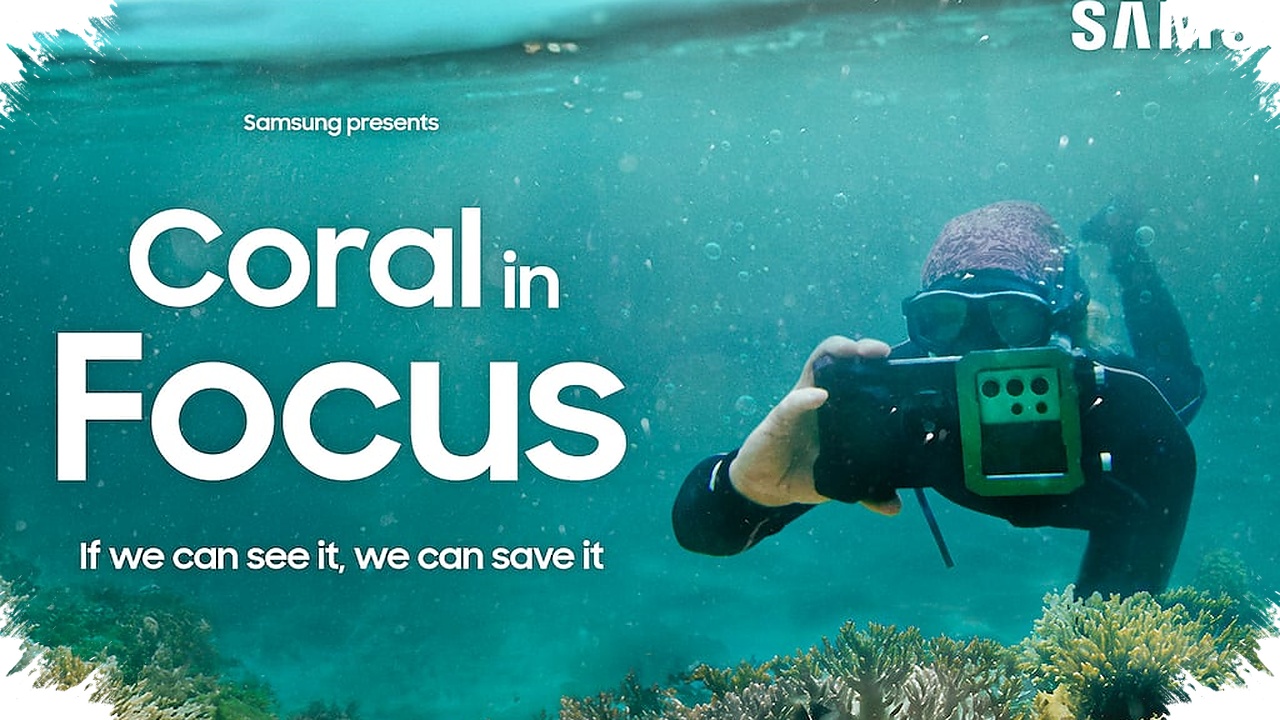
Samsung’s Ocean Mode is drawing attention well beyond smartphone photography. The feature has been recognized for helping produce clearer and more accurate underwater images, while also serving a practical role in coral reef conservation.
That combination has made Ocean Mode different from a typical camera tool. It is tied to conservation work that supports marine documentation, reef restoration monitoring, and environmental messaging that is easier for the public to understand.
A camera feature built for conservation needs
Ocean Mode first appeared as an exclusive feature on certain Samsung devices and was originally introduced as part of the Coral Reef Initiative. Its initial purpose was specific: to assist oceanographers involved in coral restoration efforts.
The feature was designed to improve underwater color and clarity, a function that matters when visual records are needed to track changes in reef conditions over time. In conservation work, detailed images can help show whether restoration efforts are progressing or whether reef damage is worsening.
As Samsung expanded Ocean Mode to more devices, the feature moved beyond limited research use. That wider access made it relevant not only for specialists but also for broader conservation programs that depend on strong visual documentation.
Coral in Focus brought the feature into the spotlight
The expansion of Ocean Mode also strengthened Coral in Focus, a program powered by the feature and centered on coral reef conservation through documentation and visual support. The initiative later received major recognition at Engage for Good’s 2026 Halo Awards.
Coral in Focus earned Gold in the Best Sustainability or Conservation Initiative category. That result placed the program among the most visible conservation efforts recognized by the awards, and it highlighted how Samsung’s mobile technology was being applied to environmental work in the field.
The recognition also showed that Ocean Mode is viewed as more than an extra camera setting. Samsung’s approach linked a consumer device feature with a real-world environmental need, giving the technology a role that extends beyond everyday photography.
Technology and restoration worked side by side
Samsung has described Galaxy technology as a tool that supports coral recovery. That support has been paired with a community-based restoration approach run together with Seatrees, a nonprofit organization based in the United States.
The collaboration is aimed at helping reverse the decline of coral reefs in different regions. In practice, the camera technology helps with documentation, while conservation partners turn that material into action on the ground.
This model reflects a broader reality in marine protection: no single tool is enough on its own. Technology can record and monitor conditions, but restoration still depends on the work of communities and partner organizations that carry out the practical steps.
Recognition also came through film and innovation lists
The effort behind Coral in Focus did not draw attention only from conservation awards. The documentary connected to the project also received the Coastal and Island Culture Award at the 23rd International Ocean Film Festival.
That recognition suggests the project has value beyond fieldwork alone. The visual material helps communicate the state of the ocean and the restoration process in a way that is easier for wider audiences to follow.
Samsung also appeared on Fast Company’s 2026 Most Innovative Companies list for its efforts to push mobile innovation for environmental research. The inclusion signals that innovation can be judged not only by commercial performance, but also by how effectively technology supports science and recovery work.
Ocean Mode shows how a feature made for consumer devices can be adapted to a highly specific purpose. In this case, the camera is not only capturing images underwater, but also helping document and observe the marine environment in support of coral conservation.
Source: www.sammobile.com-
-

-
-