


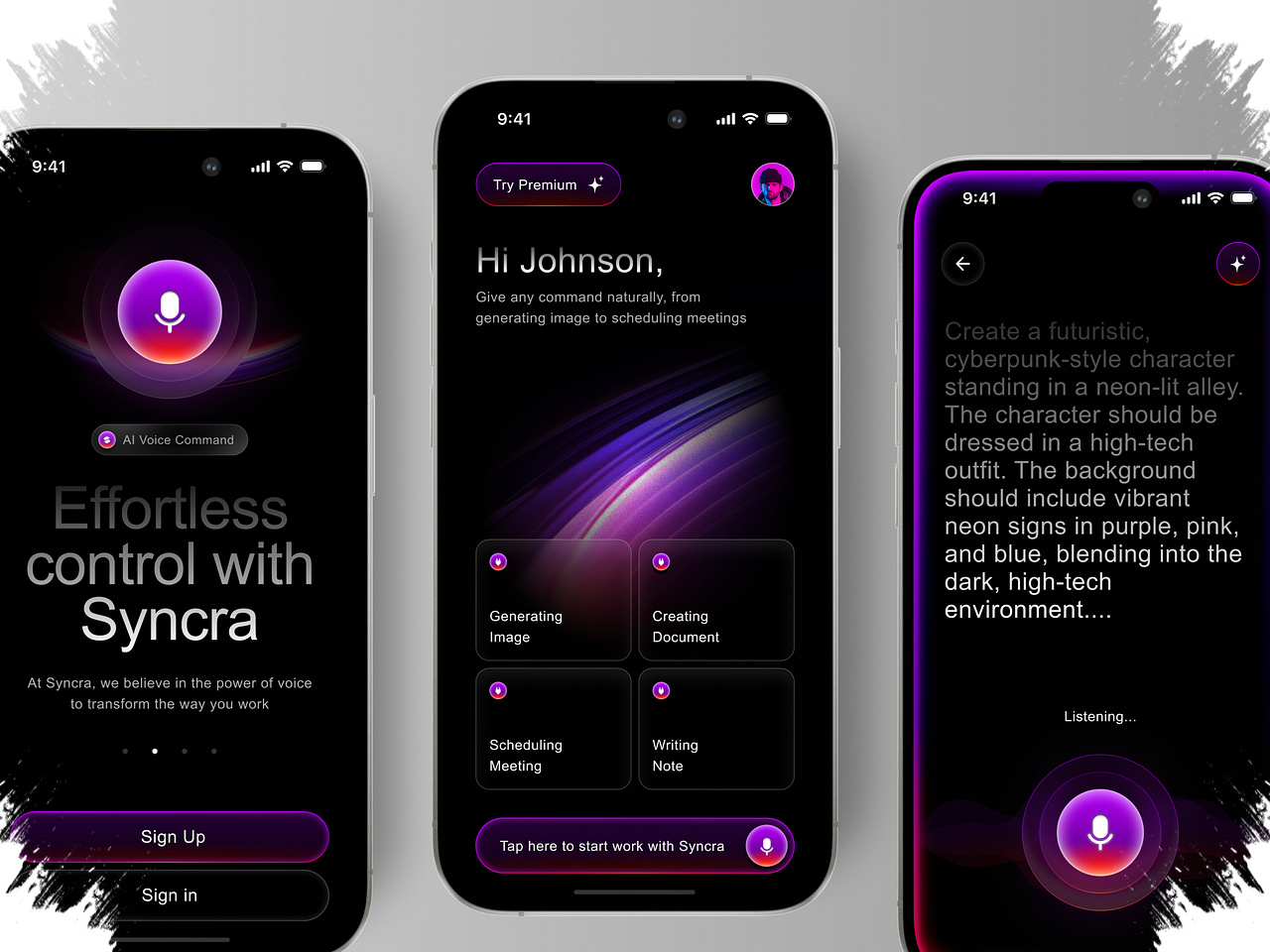
OpenAI is reportedly working on a different kind of smartphone, one designed to reduce dependence on traditional app menus. Instead of asking users to open one application after another, the device would focus on completing tasks through AI-driven commands.
The concept is built around “agentic AI,” a system intended to act more like a digital agent than a conventional assistant. In this approach, the home screen would not be crowded with app icons, but would center on a “task stream” that shows the jobs the system is handling in the background.
A phone built around tasks, not apps
That shift would change how daily activities are managed on a phone. Rather than navigating separate services manually, users would be able to issue voice or text instructions and let the device handle the process.
The reported use cases include ordering food, making payments, and tracking deliveries. The system is described as handling linked tasks in a more independent way than standard digital assistants, which usually respond to simpler commands.
This is why the project has drawn attention. If the concept works as planned, it could move smartphone interaction from app-based actions to a more fluid workflow managed by AI.
Hardware support from major chipmakers
To make that model viable, OpenAI is said to be working with MediaTek and Qualcomm on custom chipsets. These chips are expected to support local AI processing directly on the device.
Local processing matters because it can improve power efficiency and help protect data security. At the same time, some of the workload would still be shared with cloud computing, helping keep performance steady without draining the battery too quickly.
The supply chain and physical design are also said to involve Luxshare Precision as a key partner. That level of involvement suggests OpenAI is preparing more than software alone and is building a full hardware foundation.
Designed to understand user context
One of the main ideas behind the device is its ability to understand context actively. The system is reported to learn daily habits and user needs in real time, allowing it to provide help even before a request is made directly.
That would make the phone more proactive than current devices. Instead of waiting for commands and reacting afterward, it would attempt to interpret the user’s situation and assist based on what is happening around them.
OpenAI’s push into hardware also appears to be expanding beyond a single phone concept. The company is said to have strengthened that direction after acquiring the “io” startup led by designer Jony Ive, with plans tied to smart devices such as earbuds and speakers.
A long road before market release
Despite the attention around the project, the phone is not close to launch. According to Ming-Chi Kuo’s projection, mass production is only expected in 2028.
Kuo also indicated that final specifications and supply-chain partnerships may not be settled until 2026 to 2027. That means several major decisions still need to be completed before the device can move toward real-world testing.
The report has already influenced market sentiment, with Qualcomm shares reportedly rising on the news. Investors appear to see the collaboration as a meaningful signal for the wider industry.
If the project succeeds, it could pressure major premium smartphone players such as Apple and Samsung. But OpenAI would still need to address major issues around regulation, privacy, and data security, especially because the system is expected to monitor user context continuously.
OpenAI has not issued an official statement on the technical specifications or release schedule of the device. Still, the direction of the project suggests the company is aiming to build a broader family of AI devices, not just a conventional smartphone.