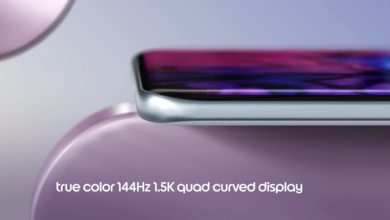
Smartphones are no longer viewed only as communication devices. Their role has expanded into daily work, content production, entertainment, and information access, making them one of the most practical tools in modern routines.
That shift is helping keep demand strong. Users now look for phones that can move quickly, handle multiple tasks at once, and support mobile work without relying heavily on a computer.
A device that supports more than calls and messages
The changing pattern of use shows how deeply smartphones have entered everyday activity. Many people now rely on them for work, study, information searches, and creative tasks that need speed and flexibility.
Functions that once felt more comfortable on a desktop or laptop are now available on a handheld device. Video editing and photo processing are among the tasks that can be done directly from a smartphone, which makes the device more relevant for productivity-focused users.
This broader role has turned the smartphone into a serious work tool. It is also increasingly important for people who create digital content and need a practical device that can support work on the move.
Innovation keeps interest high
Market demand remains strong because smartphone technology continues to improve. Each new feature adds immediate value for daily use, especially for people whose activities depend on mobility.
The integration of modern technology has made phones more capable and more versatile. As a result, smartphones are no longer treated as secondary devices, but as main tools that can support a range of needs in one package.
That change reflects how work habits have evolved. With more activities taking place on the move, a single portable device that can manage many functions is seen as a more efficient solution.
Retail access also supports buying decisions
Demand is not driven by technology alone. Easier access to purchase channels also helps keep the smartphone market active in Indonesia.
A wider retail network gives consumers more room to compare devices based on specifications, design, and everyday usefulness. Erajaya is one of the retail providers mentioned in the source, with store networks across various regions in Indonesia.
Physical stores remain important because they allow buyers to examine smartphones directly before making a decision. For many consumers, that experience makes it easier to choose a device that matches personal work, entertainment, or creative needs.
Original products and warranty remain decisive
Trust is still central in smartphone purchases. Buyers continue to place strong value on product authenticity and official warranty coverage when deciding which device to buy.
Erajaya emphasizes original products so customers can feel safer during transactions. The availability of genuine goods with official warranty support adds a clear layer of confidence for consumers.
That assurance matters because smartphone buyers want certainty about the quality of the device they receive. In a market with many choices, reliability becomes just as important as features and design.
A market shaped by practical needs
The continued strength of smartphone sales shows how dynamic the device market remains. As long as manufacturers keep innovating and distribution stays easy to reach, consumer demand is likely to stay high.
The trend also confirms a broader change in behavior. Smartphones now stand at the center of many daily tasks, from work and learning to content creation, and that role continues to make them one of the most sought-after devices in the market.
-
-
-
-