


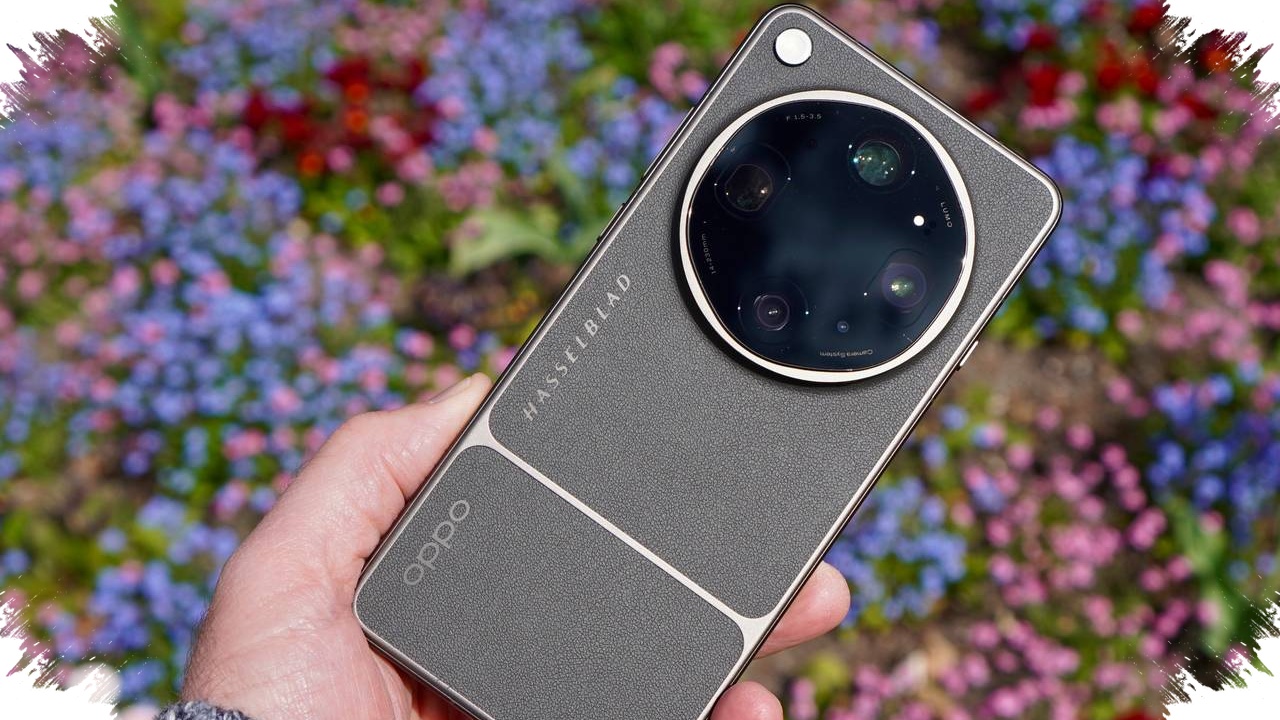
The upcoming comparison between OPPO Find X9 Ultra and Samsung Galaxy S26 Ultra already shows a clear divide in priorities. One side leans hard into battery capacity, charging speed, and camera hardware, while the other keeps its edge through productivity tools and longer software support.
That contrast makes the matchup more interesting than a simple spec sheet battle. Both phones sit in the ultra-premium flagship class, but the direction each brand takes is noticeably different.
Camera hardware gives OPPO the sharper edge on paper
The biggest gap appears in the imaging setup. OPPO Find X9 Ultra is listed with a 200MP main camera using a 1/1.12-inch sensor, a 200MP 3x camera, a 50MP 10x camera, and a 50MP ultrawide lens.
Samsung Galaxy S26 Ultra, by comparison, uses a 200MP main camera with a smaller 1/1.3-inch sensor, a 10MP 3x telephoto, a 50MP 5x periscope, and a 50MP ultrawide. That arrangement makes OPPO look more ambitious, especially for users who value zoom flexibility over distance.
The front camera also tilts toward OPPO. Its 50MP selfie shooter stands well above Samsung’s 12MP front camera, at least in the specification race.
Video features also lean toward OPPO’s imaging focus
Both devices support 8K recording and 4K at 120fps, so the baseline video capability remains high on both sides. OPPO, however, adds Dolby Vision, 10-bit recording, and O-Log2, while Samsung relies on HDR10+.
That difference reinforces the way each phone is positioned. OPPO appears aimed at users who want more creative room in both still photography and video capture, while Samsung keeps its camera package more balanced across the board.
Battery and charging are where the gap widens most
Power endurance is another area where OPPO stands out strongly. Find X9 Ultra comes with a 7050 mAh battery, while Galaxy S26 Ultra carries a 5000 mAh unit.
Charging speeds follow the same pattern. OPPO is listed with 100W wired charging and 50W wireless charging, compared with Samsung’s 60W wired and 25W wireless support.
OPPO also includes 10W reverse charging over both wireless and wired modes. Samsung is only listed with 4.5W reverse wireless charging, which makes OPPO the more aggressive device for power management on paper.
Displays keep the rivalry close, but OPPO pushes harder on brightness and refresh rate
On the front side, OPPO Find X9 Ultra uses an LTPO AMOLED panel with a 144Hz refresh rate, Dolby Vision support, and a peak brightness rating of 3600 nits. Samsung Galaxy S26 Ultra uses a Dynamic LTPO AMOLED 2X display with a 120Hz refresh rate, HDR10+, and a 2600 nits peak brightness figure.
Those numbers suggest OPPO should deliver smoother motion and stronger outdoor visibility. Samsung answers with Gorilla Armor 2 on the front, while OPPO uses Gorilla Glass Victus 2.
Both phones use aluminum frames, and OPPO is also listed with either a glass back or eco leather finish. In addition, OPPO carries IP68/IP69 protection, while Samsung is rated IP68.
Performance is closely matched, with Samsung holding a few small advantages
Under the hood, both models run on Snapdragon 8 Elite Gen 5, so the performance base is effectively shared. Even so, Samsung is listed with a slightly higher CPU configuration at 2×4.74 GHz plus 6×3.62 GHz, while OPPO shows 2×4.6 GHz plus 6×3.62 GHz.
The GPU is also Adreno 840 on both phones, though Samsung is again noted with a 1.3GHz frequency. Memory options are equally generous, with both devices offering up to 16GB RAM and 1TB storage.
OPPO gets a small advantage in the storage details because it is explicitly marked with UFS 4.1. Samsung is only described as using UFS 4.X.
Samsung still keeps its strongest cards in productivity and long-term support
Even with OPPO leading in several hardware-heavy categories, Samsung does not lose its identity as a work-focused flagship. Galaxy S26 Ultra includes S Pen support, DeX, and UWB, which remain important differentiators for users who want more than raw specs.
OPPO answers with an infrared port and Bluetooth 6.0, along with aptX HD, aptX Adaptive, and LHDC 5 support. Its navigation package is also broader on paper because it includes NavIC alongside GPS, BDS, GALILEO, QZSS, and GLONASS.
Software support is another area where Samsung remains ahead. Galaxy S26 Ultra is listed with 7 major updates, while OPPO Find X9 Ultra is promised 5 major updates.
Price keeps OPPO in a more aggressive position
The pricing gap also shapes how the two phones will be viewed. OPPO Find X9 Ultra is listed at ₹1,03,000, while Samsung Galaxy S26 Ultra stands at ₹1,40,000.
That difference strengthens OPPO’s appeal for buyers who prioritize battery life, charging speed, display specs, and camera hardware. Samsung still has a convincing case for users who want stronger display protection, productivity features, and a longer software update window.