Samsung Galaxy S26 positions itself as a compact premium Android phone that gets many fundamentals right, yet it still leaves room for doubt in two areas that matter most to many buyers: camera performance and charging speed. At a price of $899, those weaknesses stand out more sharply because the rest of the package looks polished and mature.
The appeal starts with how balanced the device feels in daily use. It is fast, comfortable to hold with one hand, and backed by refined software, while improved battery endurance adds to its practicality. Even so, Samsung keeps several choices conservative, which makes the Galaxy S26 feel impressive without fully escaping familiar limitations.
A cleaner design with modest changes
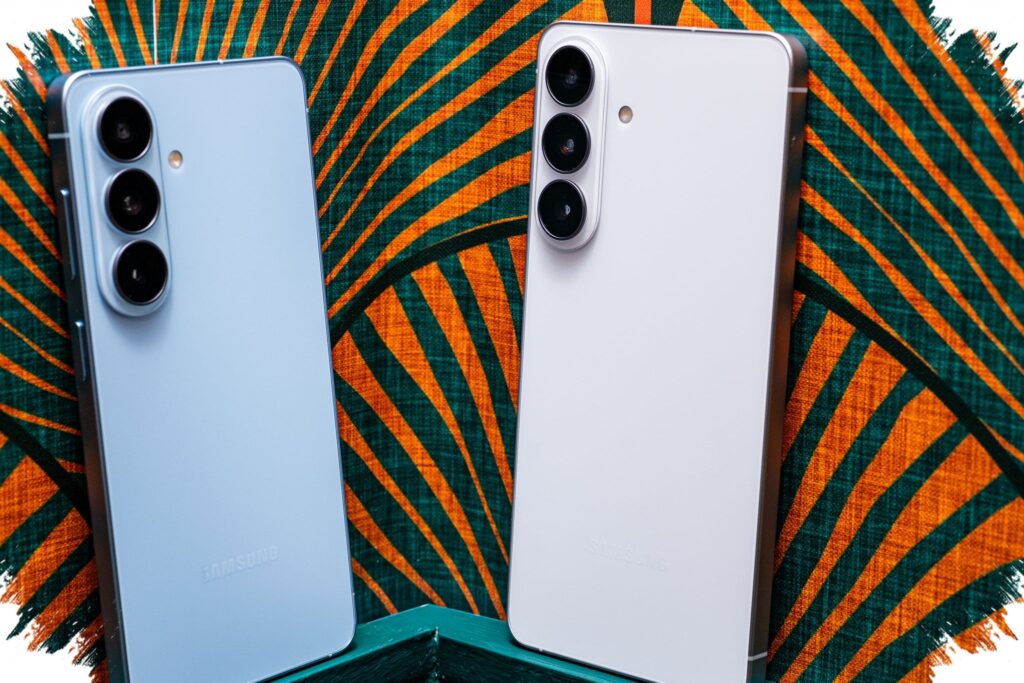
Samsung does not attempt a dramatic redesign here. Instead, the Galaxy S26 receives a more refined finish, slightly slimmer sides, and a marginally larger display, while keeping the overall compact identity intact.
The most visible change sits on the back. The three rear cameras now sit inside a pill-shaped housing rather than standing out directly from the rear panel. That shift is mainly cosmetic, but it also helps Samsung make better use of internal space.
That extra room contributes to a larger 4,300mAh battery, up from 4,000mAh on the previous model. The phone is slightly bigger as a result, measuring 149.6mm tall and 71.7mm wide, while thickness stays at 7.2mm and weight rises to 167 grams. It still feels premium thanks to Armor Aluminum 2, Gorilla Glass Victus 2 on both sides, and IP68 protection against dust and water.
Display quality stays strong, but not class-leading
The 6.3-inch AMOLED panel remains one of the Galaxy S26’s strongest assets. It looks sharp, bright, smooth, and highly usable from wide viewing angles, helped by a 120Hz refresh rate.
However, the screen upgrade is limited. Samsung expands the panel slightly, but the leap is not large enough to separate it clearly from the previous generation. The display also remains an 8-bit panel, while several competitors have already moved to 10-bit OLED.
Samsung relies on software optimization to improve color accuracy and reduce banding, but that still does not match the native advantages of a 10-bit panel. Resolution also stays at FHD+ 1080p, with QHD+, Privacy Display, and anti-reflective coating still reserved for the Galaxy S26 Ultra.
Performance is the clearest reason to consider it
If one area makes the Galaxy S26 easy to recommend, it is performance. Depending on the market, the phone runs on either Snapdragon 8 Elite Gen 5 or Exynos 2600, and both are described as delivering top-tier Android speed.
In everyday use, the phone feels quick and stable. Apps open without hesitation, multitasking remains smooth, and games run well at high settings.
Thermals are handled well for a compact device. The phone can warm up during long gaming sessions or heavy camera use, but the heat does not become disruptive in normal use. Stereo speakers, call quality, 5G, and Wi‑Fi also meet flagship expectations, which reinforces the sense that the Galaxy S26 is built to be dependable.
Camera hardware is capable, but low-light results remain a concern
The rear setup is straightforward for a premium phone: a 50MP main camera, 12MP ultrawide, and 10MP telephoto with 3x optical zoom. In good light, the system performs reliably, with sharp images, balanced output, and natural-looking colors across the main, ultrawide, telephoto, and front cameras.
Portrait mode is still usable, but the lack of a 5x lens, such as the one on the Ultra model, limits zoom flexibility and portrait options. That becomes more noticeable when shooting farther subjects or trying to stretch framing versatility.
The bigger issue appears when light drops. Low-light photos are more likely to show noise, lose depth, and look soft even with Night Mode enabled. The ultrawide camera also lacks autofocus, which makes it less suitable for close-up subjects.
Video quality remains solid, and the new Horizontal Lock feature helps stabilize handheld clips and vlogging shots. Still, the camera system does not fully justify the premium price in the same way the performance hardware does.
Software and battery gains help, but charging lags behind
One UI 8.5 based on Android 16 gives the Galaxy S26 a clean and customizable interface. It also brings practical AI features such as photo editing, Audio Eraser, and contextual suggestions, while Samsung’s seven-year update promise strengthens its long-term value.
Battery life improves thanks to the larger 4,300mAh cell. In testing, the phone lasts a full day even with gaming and extended camera sessions, which makes the compact form factor less of a compromise than before.
Charging is the part that keeps the Galaxy S26 from feeling fully modern. It still supports only 25W wired charging and 15W wireless charging, numbers that look conservative in the flagship category. A full charge takes about 1 hour and 5 minutes from 0 to 100 percent, which is around 10 minutes faster than its predecessor despite the larger battery.
That combination leaves the Galaxy S26 as a well-built compact flagship with strong performance, long software support, and better endurance, but its camera shortcomings in low light and slow charging remain difficult to ignore at this price.