Thermal management is becoming the real benchmark in gaming phones, and Infinix GT 50 Pro puts that idea at the center of its pitch. Instead of relying only on early performance numbers, the device focuses on keeping output stable during long gaming sessions, when heat usually becomes the limiting factor.
That shift matters because many gaming smartphones can still look strong at the start of play, then lose speed after 20 to 30 minutes as thermal throttling kicks in. When the processor reduces performance to control heat, the experience changes even if the initial benchmark looks impressive.
A more active cooling approach
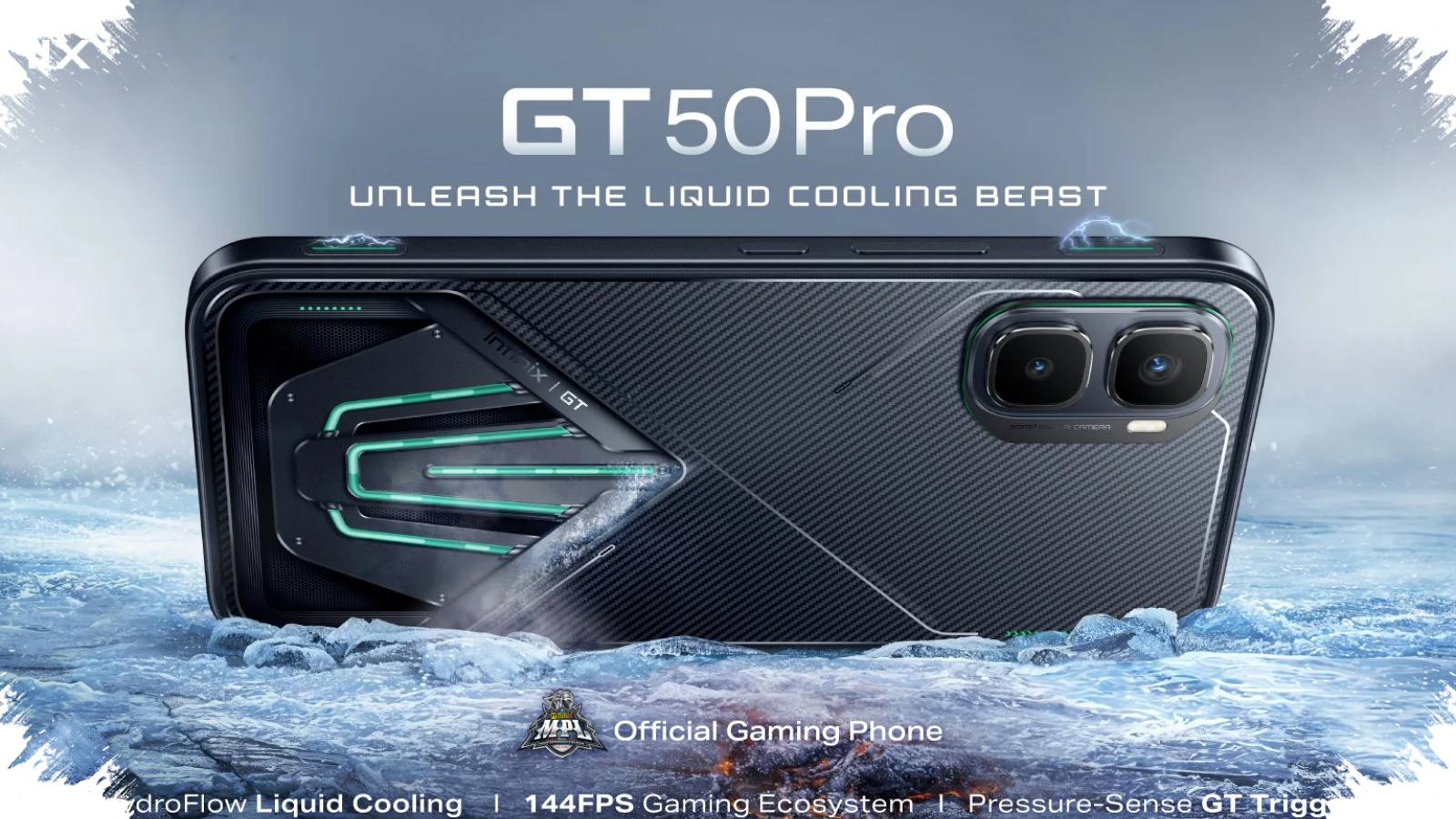
Infinix positions GT 50 Pro’s cooling system as a core part of performance, not a secondary feature. The phone carries a HydroFlow Liquid Cooling Architecture designed to manage temperature more effectively than conventional cooling methods.
Inside that system, Infinix uses a micro-pump to help move liquid through the cooling path. The goal is to absorb and transfer heat faster so the device surface stays cooler and the chipset remains stable for longer periods.
This approach reflects how mobile gaming has changed. Users are no longer only opening games for short sessions, but also spending more time in competitive play, live streaming, and other intensive use cases that demand consistent output.
Why consistency matters more than peak numbers
The debate around smartphone cooling has moved beyond whether a phone can post a strong result at launch. What matters more now is whether frame rates stay steady once the device has been under load for a while.
A stronger cooling system can help maintain FPS consistency, reduce input lag, and improve comfort when holding the device. For mobile gamers, those effects often matter more than a short-lived benchmark peak.
That is especially relevant for competitive titles, where responsiveness and stability can have a bigger impact than raw burst performance. A phone that stays consistent over time gives users a more dependable gaming experience.
From passive cooling to liquid cooling
Traditional passive cooling still remains common in modern smartphones, but it has clear limits when temperatures rise. It does not always spread heat evenly enough once the device is pushed harder for longer periods.
Vapor chamber systems have already marked a step forward by using vapor space to absorb and distribute heat. Even so, that method still has boundaries when a phone is forced to work at a very high level for extended sessions.
Liquid cooling represents a more active direction, and GT 50 Pro brings that idea into the gaming phone segment in a more visible way. Infinix treats thermal design as part of the performance strategy rather than as a supporting detail.
Gaming identity through design
The cooling system is not only functional but also part of the phone’s visual identity. GT 50 Pro includes a Pipeline Window Display that shows part of the internal cooling structure.
That detail is paired with RGB lighting and premium materials, giving the device a stronger gaming character. The result shows how gaming phones are now expected to deliver both performance and a design language that matches their identity.
The broader direction of the segment is becoming clearer through devices like this. Performance is increasingly judged by how well it holds up during sustained use, and cooling is now one of the main factors shaping that standard.
Source: selular.id-
-

-
-