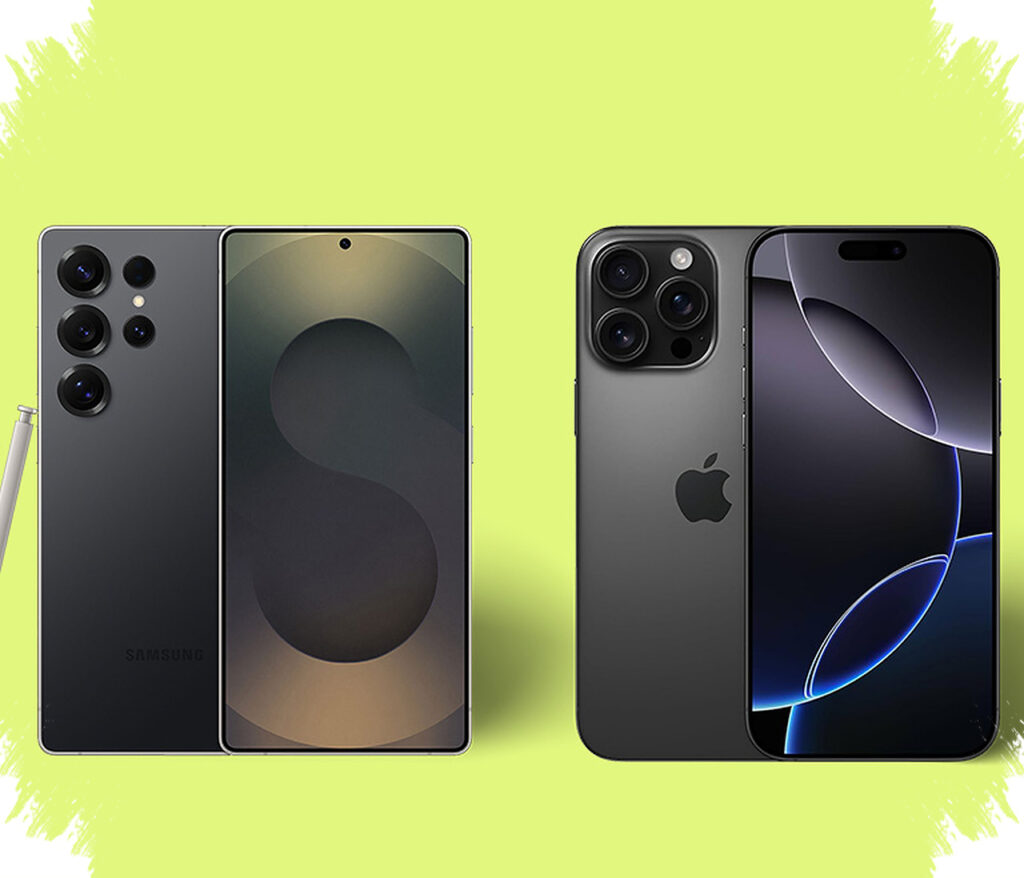
The global smartphone market opened 2026 with a narrow but meaningful shift at the top. Samsung moved ahead of Apple in the first quarter, and the gap between the two leaders remained tight enough to keep the rivalry very much alive.
Samsung shipped about 65.4 million units and held 22 percent of the global market, enough to take the top spot. Apple followed closely with around 60.4 million iPhone shipments and a 20 percent share, showing that the American company is still firmly in the race even after slipping to second place.
Galaxy S26 helps drive Samsung’s push
Samsung’s early-year strength was largely supported by the Galaxy S26 line. The Galaxy S26 Ultra drew the most attention from global consumers, despite its premium pricing.
Its appeal came from a mix of advanced camera capabilities and the latest chipset. Samsung also appears to have balanced feature upgrades with a more polished user experience, which helped keep its flagship line relevant in an increasingly selective market.
Another factor worked in Samsung’s favor: the company launched earlier than usual. That timing allowed it to meet early demand more quickly and build momentum before rivals could move further.
Apple remains close behind
Apple’s numbers were still large by any standard. With 60.4 million iPhones shipped and a 20 percent market share, the company remained one of the strongest forces in the smartphone business.
Even so, the result was not enough to keep Apple in first place. The close distance between the two companies suggests that the premium segment, where both brands compete most intensely, remains highly responsive to new devices and product updates.
That dynamic is part of what makes the market so unsettled at the top. One quarter can favor one brand, while the next launch cycle can quickly change the picture again.
The rest of the top five stays crowded
Beyond Samsung and Apple, Xiaomi, OPPO, and Vivo continued to hold positions in the global top five. Xiaomi shipped 33.8 million units for an 11 percent share, OPPO recorded 30.7 million units with a 10 percent share, and Vivo reached 21.3 million units with a 7 percent share.
All three brands saw year-on-year shipment declines. That points to rising pressure in the midrange market, where competition is intense and demand shifts can be difficult to predict.
The broader picture shows that market leadership depends on more than shipment volume alone. Ecosystem strength, timely launches, and the appeal of new devices all play a role in deciding which brands stay near the top.
Growth stays modest as costs may rise
Overall global smartphone growth in the first quarter of 2026 was only about 1 percent compared with the same period a year earlier. That slow pace suggests the market is entering a mature phase, where large expansion is harder to achieve.
A further challenge may come from higher memory chip costs. If production expenses rise, smartphone prices could follow, and that could weigh on demand.
For now, Samsung has started the year in a stronger position than its closest rival. Yet with the margin still thin, the fight with Apple is far from settled and could change again as the year unfolds.